Engineering-driven aluminum casting and precision manufacturing solutions

Application of Aluminum Alloy Castings in Automobile Industry
The automotive industry is the largest downstream market for aluminum alloy castings, and it also serves as the core driving force behind technological upgrades in the aluminum casting.
The automotive industry is the largest downstream market for aluminum alloy castings, and it also serves as the core driving force behind technological upgrades in the aluminum casting sector. Driven by the industry trends of lightweight design, energy conservation and intelligent manufacturing, aluminum alloy castings are widely replacing traditional cast iron and steel parts. They are extensively applied in all core vehicle systems including power, transmission, cooling, chassis and body, and are well adopted in both fuel vehicles and new energy vehicles.
Segmented Application Scenarios of Aluminum Alloy Castings in Vehicles
Power System Components
This category covers cylinder heads, pistons, intake manifolds, engine housings, oil filter bases and other core components. Aluminum alloy features outstanding thermal conductivity, which rapidly dissipates heat generated during engine operation and stabilizes the operating temperature of the whole unit. Meanwhile, its lightweight property significantly reduces curb weight, cuts fuel consumption, and improves fuel economy as well as driving range.
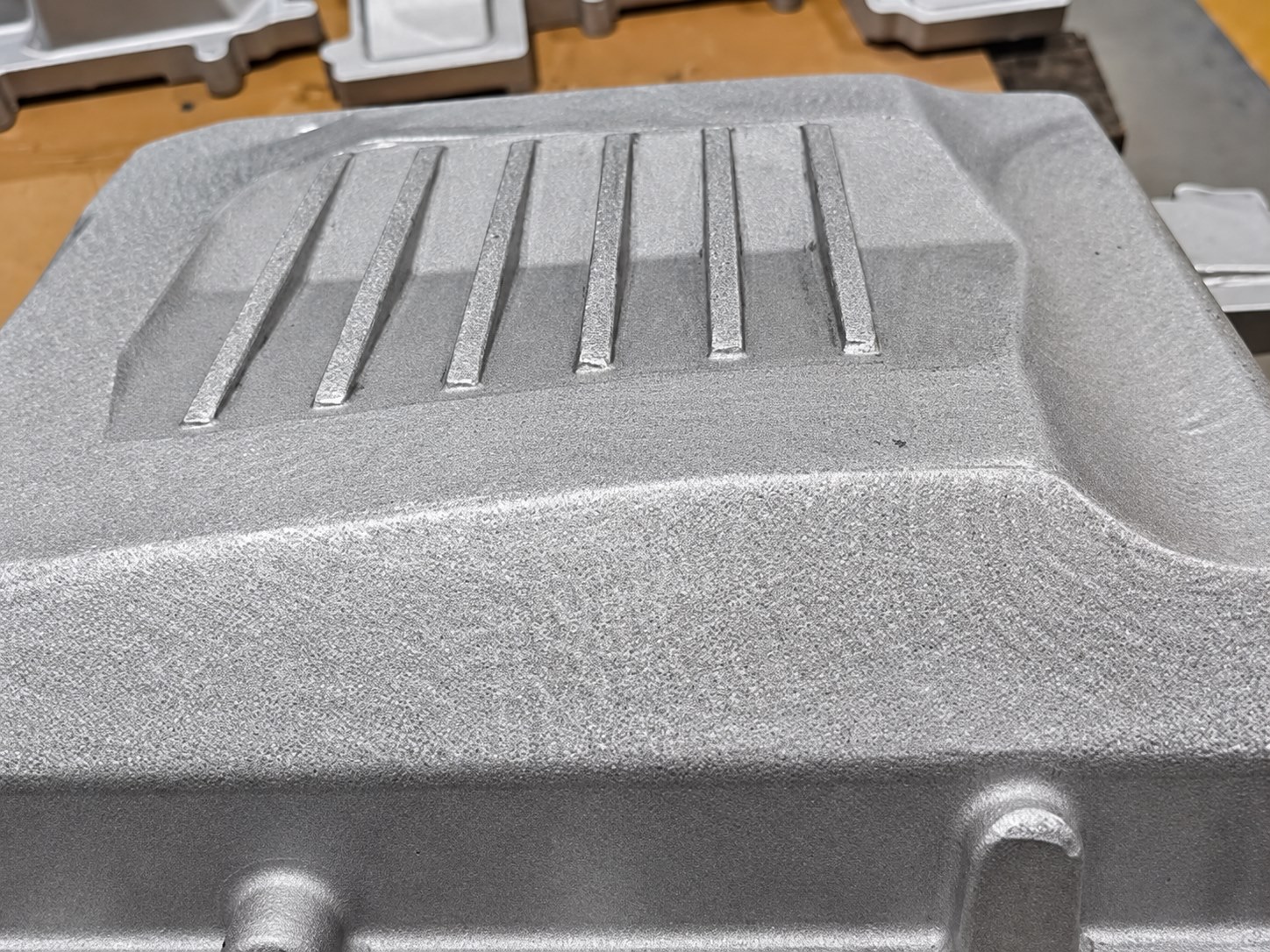
- Engine Upper Housing
- Caption: Physical photo of engine upper housing
Transmission System Gearbox Housings & Clutch Housings
Representative products include gearbox housings and clutch housings. Aluminum alloy housings are lighter with excellent vibration damping performance, which lowers the overall load of the transmission system. They are suitable for mass production of gearboxes for fuel vehicles and reducer housings for new energy vehicles.
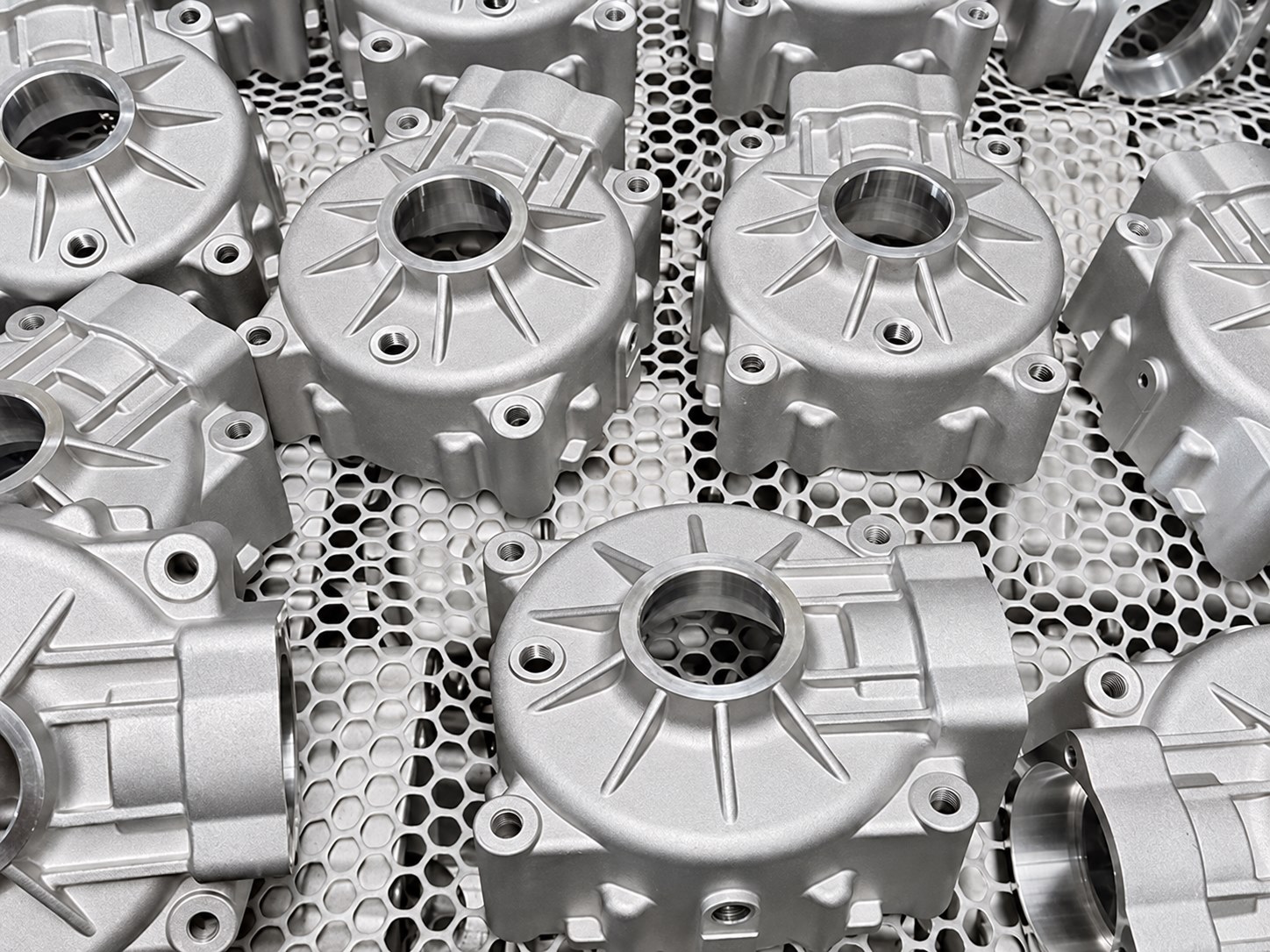
- Gearbox Housings
- Caption: Physical photo of gearbox housings
Cooling System Water Pump Housings & Radiator Water Chambers
Main products are fluid castings such as water pump housings and radiator water chambers. The material boasts compact structure and high heat transfer efficiency, ensuring stable circulation of cooling medium without leakage during long-term operation, perfectly matching water cooling demands of engines and three-electric systems.
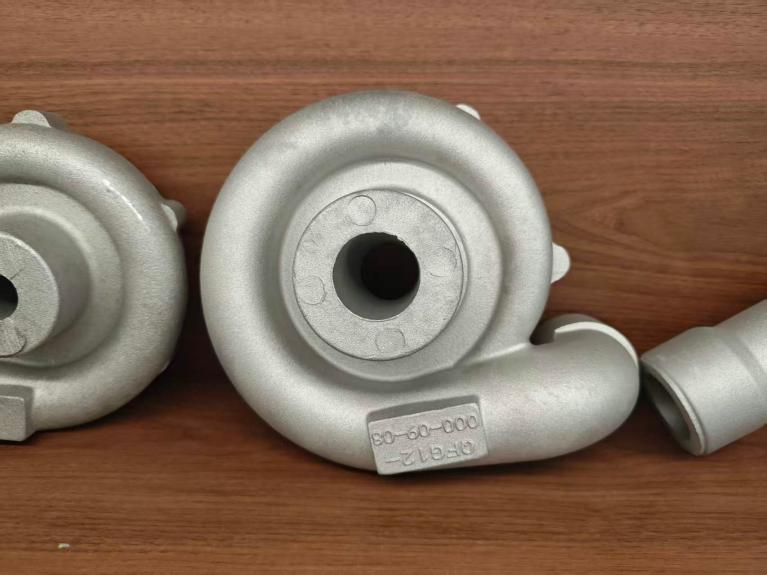
- Water Pump Housings
- Caption: Physical photo of water pump housings
Development Trends of Automotive Aluminum Casting Industry
Continuous Upgrading of Manufacturing Processes
Conventional low-pressure casting processes are being optimized constantly, while new technologies including squeeze casting, vacuum die casting and large integrated die casting are gaining wider adoption. These innovations greatly enhance the internal compactness, mechanical strength and air tightness qualification rate of castings, and meet production requirements of super-large integrated housings for new energy vehicles.
Mass Adoption of New Alloy Materials
High-toughness aluminum alloys and heat-treatment-free special aluminum alloys have realized mass production. They eliminate multiple heat treatment procedures, simplify the whole production chain and effectively cut the overall manufacturing cost of components.
Wide Popularization of Green Production with Recycled Aluminum
Automakers keep increasing the proportion of recycled aluminum alloy raw materials. This practice complies with national "Dual Carbon" green manufacturing policies, greatly reduces raw material procurement costs, and achieves a win-win situation of energy conservation, environmental protection and economic benefits.
Expanding Market Coverage of Aluminum Casting Products
Aluminum alloy castings were previously only used in high-end fuel and luxury vehicles. At present, they have been widely applied to mainstream economical passenger cars, commercial vehicles and low-speed new energy vehicles. The market demand keeps expanding, promising ample room for industrial growth.