Engineering-driven aluminum casting and precision manufacturing solutions

A356 Aluminum Alloy Why Hydrogen Control Matters in Gravity Casting
In gravity casting, the quality of molten aluminum has a direct impact on the performance of the final casting. For A356 aluminum alloy, hydrogen is the only gas that readily dissolves in.
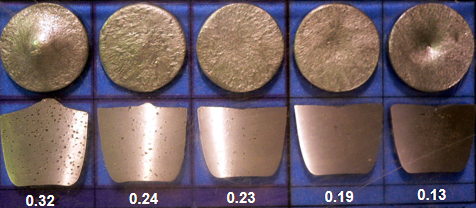
In gravity casting, the quality of molten aluminum has a direct impact on the performance of the final casting. For A356 aluminum alloy, hydrogen is the only gas that readily dissolves in the melt. Excessive hydrogen can lead to porosity, pinholes, and shrinkage defects, reducing the casting's density, airtightness, and mechanical strength.
To minimize these risks, effective melt treatment is an essential part of the casting process. Rotary degassing with inert gas is commonly used to remove dissolved hydrogen while reducing oxide inclusions, resulting in a cleaner and more stable molten metal before pouring.
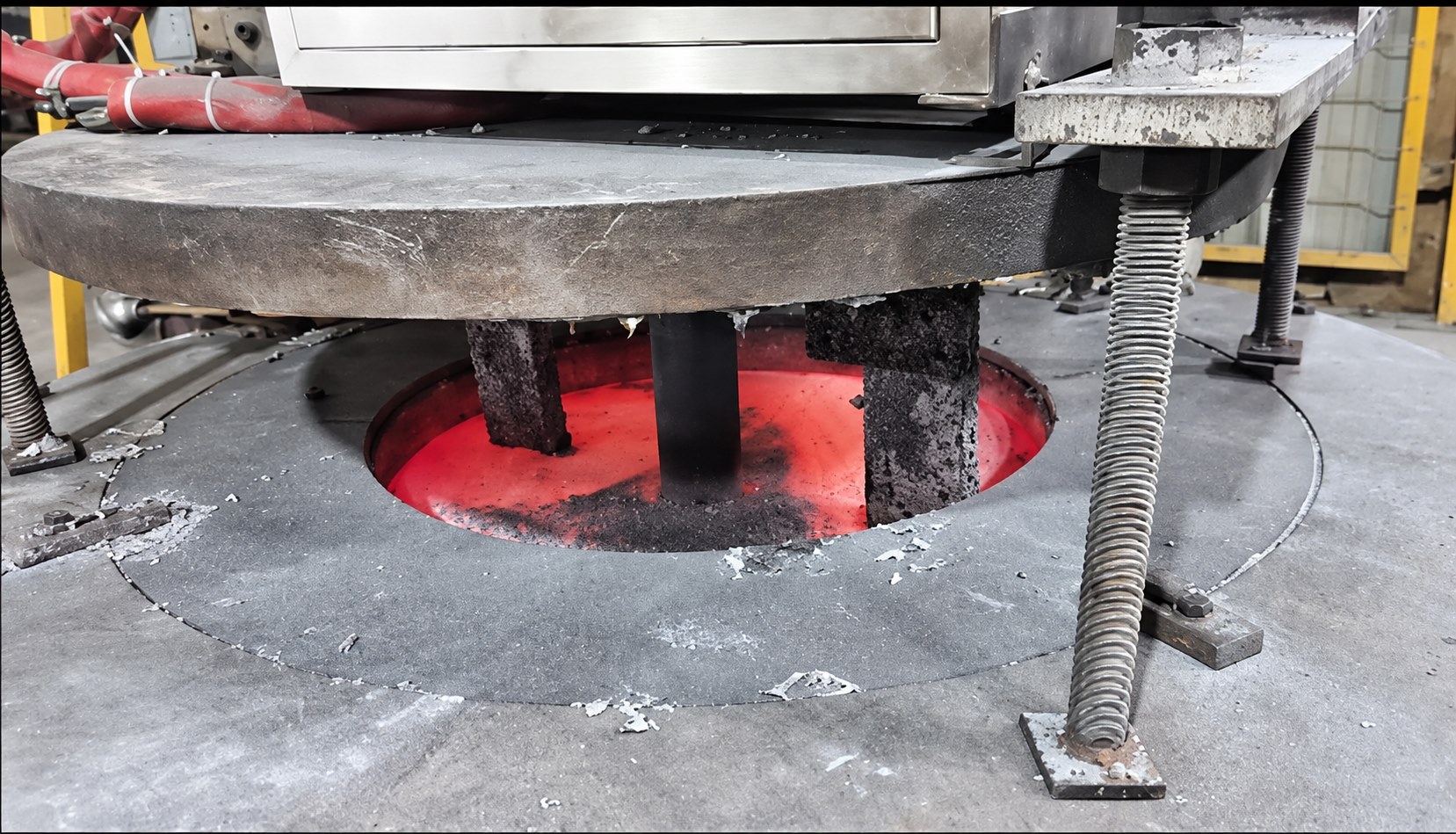
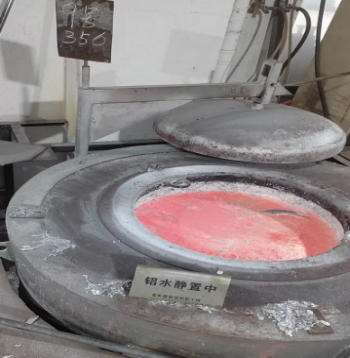
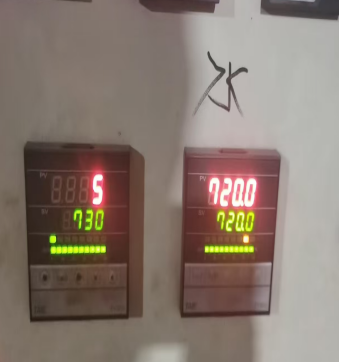
In addition to melt treatment, regular quality inspections help verify melt cleanliness and ensure that hydrogen levels remain within acceptable limits. Stable process control throughout melting and casting contributes to improved internal integrity, consistent product quality, and higher casting reliability.
Material Performance Considerations
By maintaining strict control over molten aluminum quality, manufacturers can significantly reduce casting defects and produce A356 aluminum castings that meet demanding performance requirements across automotive, industrial machinery, and engineering applications.