Engineering-driven aluminum casting and precision manufacturing solutions

Gravity Permanent Mold Casting
A gravity-fed aluminum casting process for repeat production, heat-treatable components, and parts that continue into CNC machining and finishing.
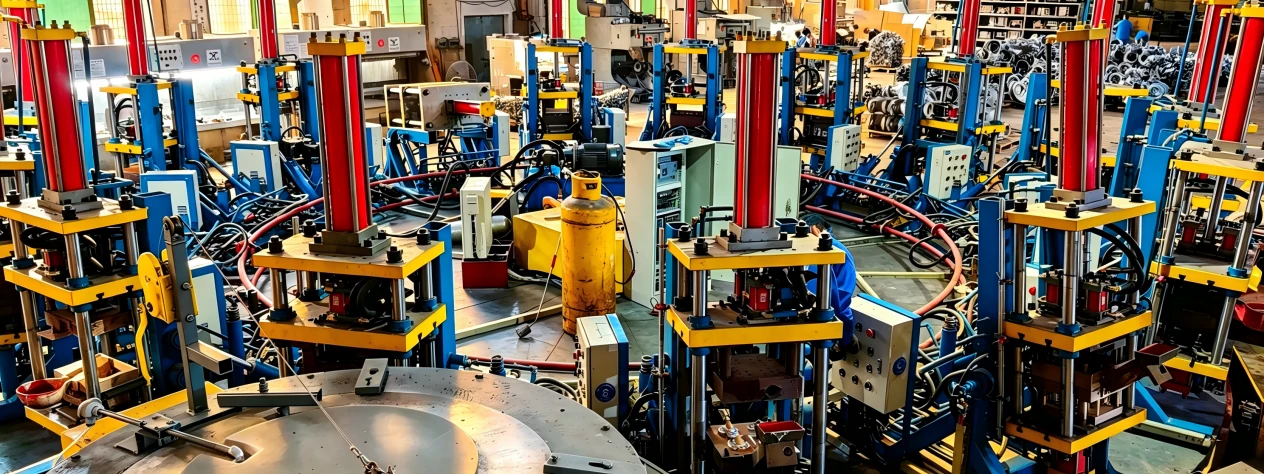
Maximum Part Size
500 × 500 × 550 mm
Machine and Mold Size
630 × 600 × 800 mm
Common Alloys
A356 ZL104 ZL106 AC4A
Heat Treatment
T5 and T6
Casting Method
Process Overview
Molten aluminum fills a reusable metal mold under gravity. The process is selected when a program needs repeatable geometry, stable surface quality, and a practical connection to heat treatment, CNC machining, leak testing, and finishing.
This process is considered for pump and valve bodies, automotive housings, brackets, bases, and structural components that need better as-cast repeatability than conventional sand casting.
Valve and Fluid-Control Components
Reusable tooling supports repeat production for pump bodies, valve bodies, and connected flow components.
Component Applications
Typical Cast Components
Typical components are shown below. Final feasibility remains subject to drawing and process review.
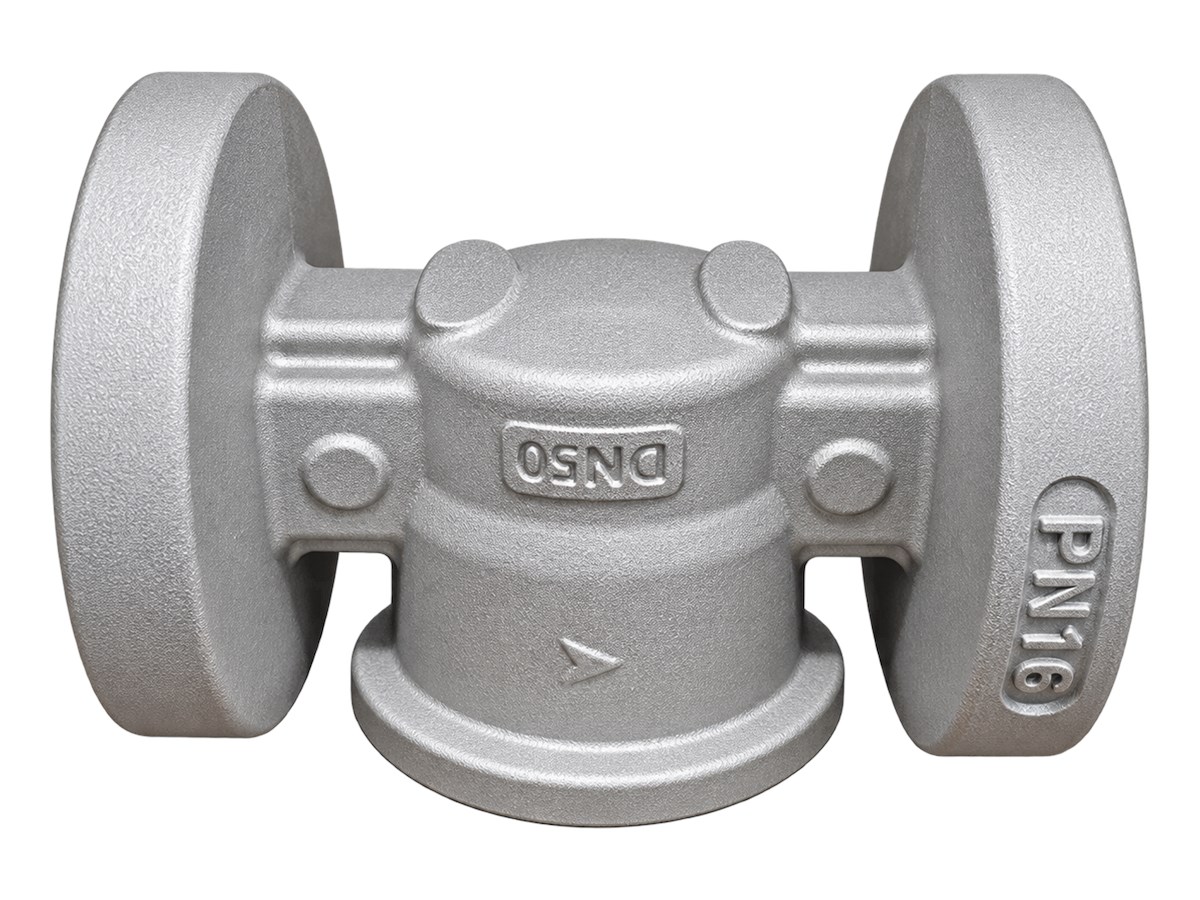
Fluid-control housings and connected components requiring repeat production and controlled surfaces.
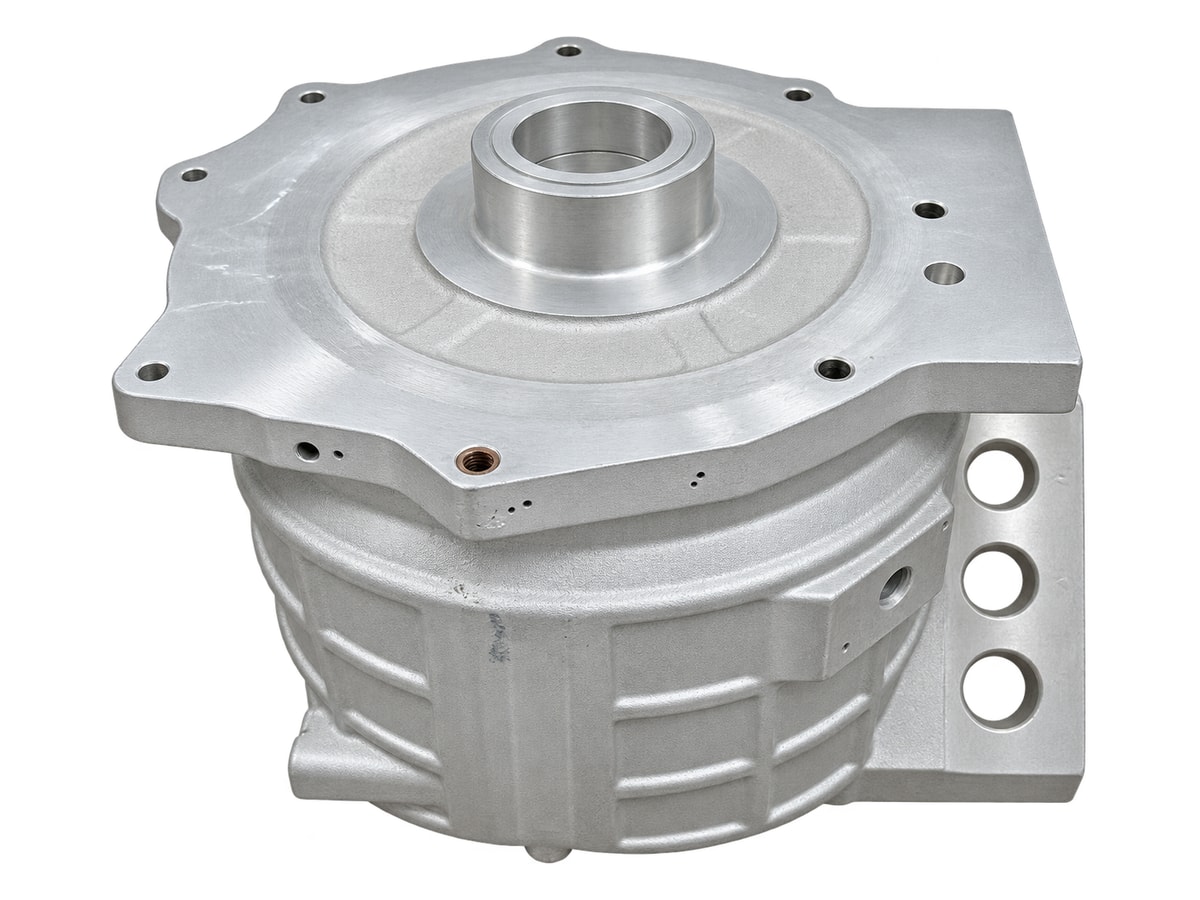
General automotive housings, brackets, bases, suspension supports, and compact structural parts.

Structural link castings used in articulated industrial robot assemblies.
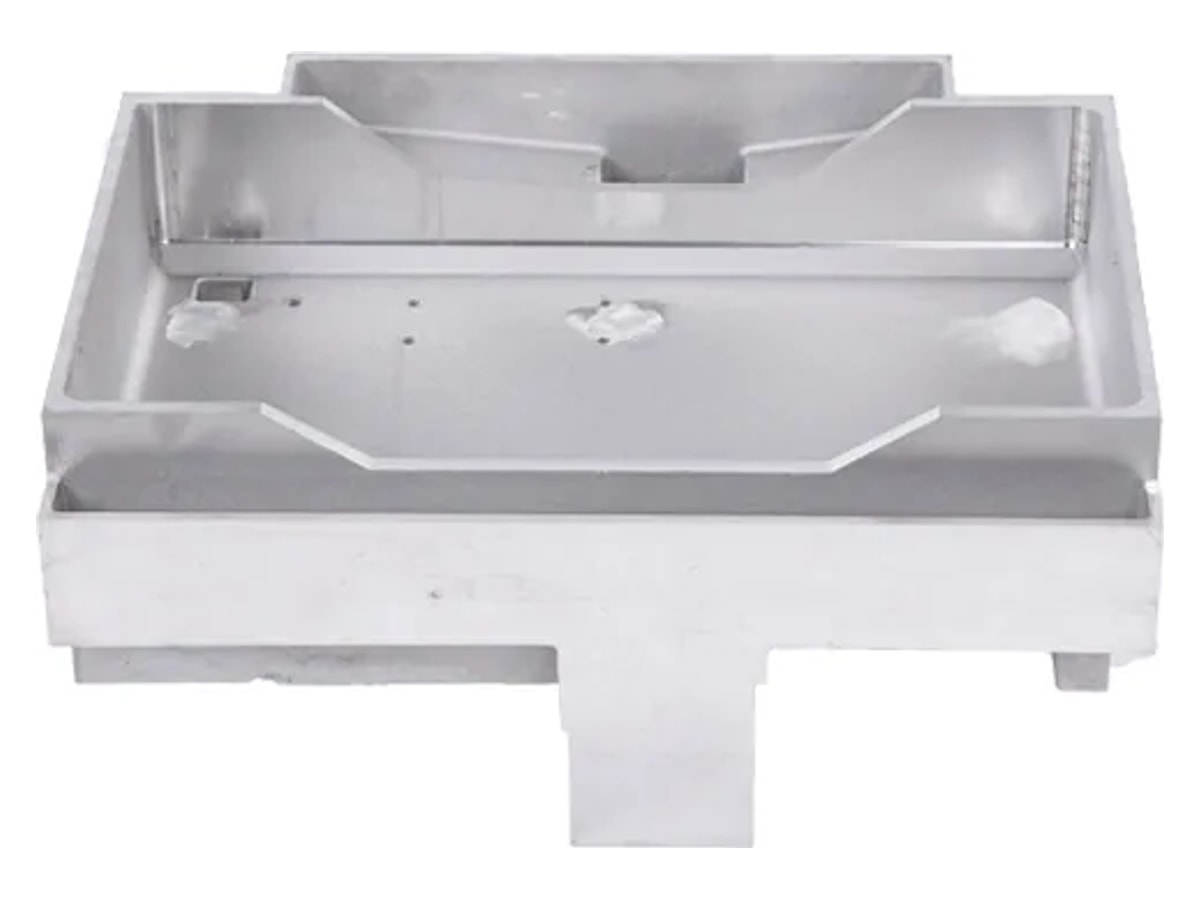
Cast structural bases machined to suit industrial printing equipment.
Process Selection
Process Advantages and Limitations
Process selection depends on part geometry, program volume, tooling strategy, quality requirements, and the complete downstream process.
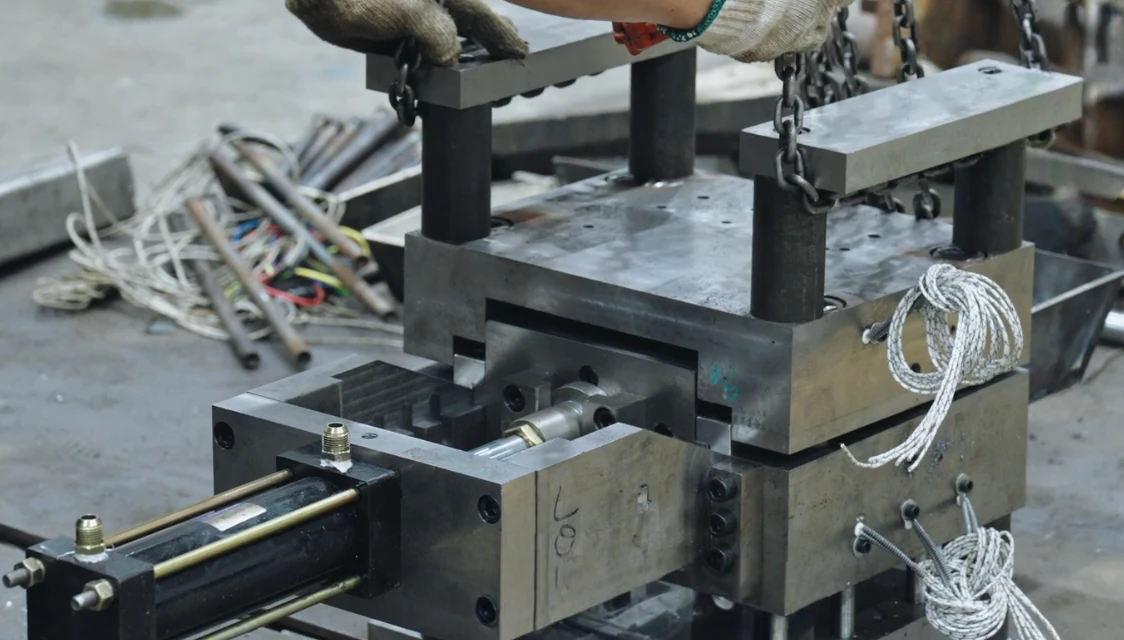
Advantages
-
01
Lower Tooling Investment
Reusable metal molds can provide a shorter development process and lower tooling investment than high-speed pressure-filled production.
-
02
Flexible Part Geometry
The process accommodates varied sizes, heat-treatable alloys, and parts that require later machining or sealing validation.
-
03
Stable Casting Structure
Controlled mold temperature and filling support dense castings, repeat dimensions, and consistent downstream handling.

Engineering Constraints
-
01
Machine Envelope
Part size remains limited by equipment and mold-handling capacity. Current product envelope reaches 500 × 500 × 550 mm.
-
02
Filling and Feeding Control
Gating, venting, feeding, mold temperature, and solidification must be validated to control porosity and incomplete fill.
-
03
Secondary Operations
Machining allowance, heat treatment, impregnation, surface finishing, and leak testing are planned before release.
Production Sequence
Manufacturing Process
The production sequence connects engineering, tooling, casting, machining and final release.
Drawing and DFM Review
Geometry, wall transitions, pressure requirements, datums, alloy, and acceptance criteria are reviewed.
Mold and Gating Design
Gating, feeding, venting, cooling, and mold-release strategy are engineered.
Mold Trial and FAI
Trial castings are adjusted and verified through dimensions, appearance, and required properties.
Melting and Gravity Pouring
Alloy preparation, transfer, filtration, and pouring follow the released parameters.
Cooling and Degating
Castings cool under controlled conditions before runner removal and cleanup.
Heat Treatment
T5 or T6 is applied where specified by alloy and performance requirement.
CNC and Surface Processing
Critical features are machined before blasting, coating, or related finishing.
Inspection and Release
Dimensions, surface, mechanical properties, hardness, and leak integrity are verified as required.
Equipment and Capability
Production Equipment
Equipment, envelope, alloy, and control plans are matched to part requirements rather than treated as fixed catalog choices.
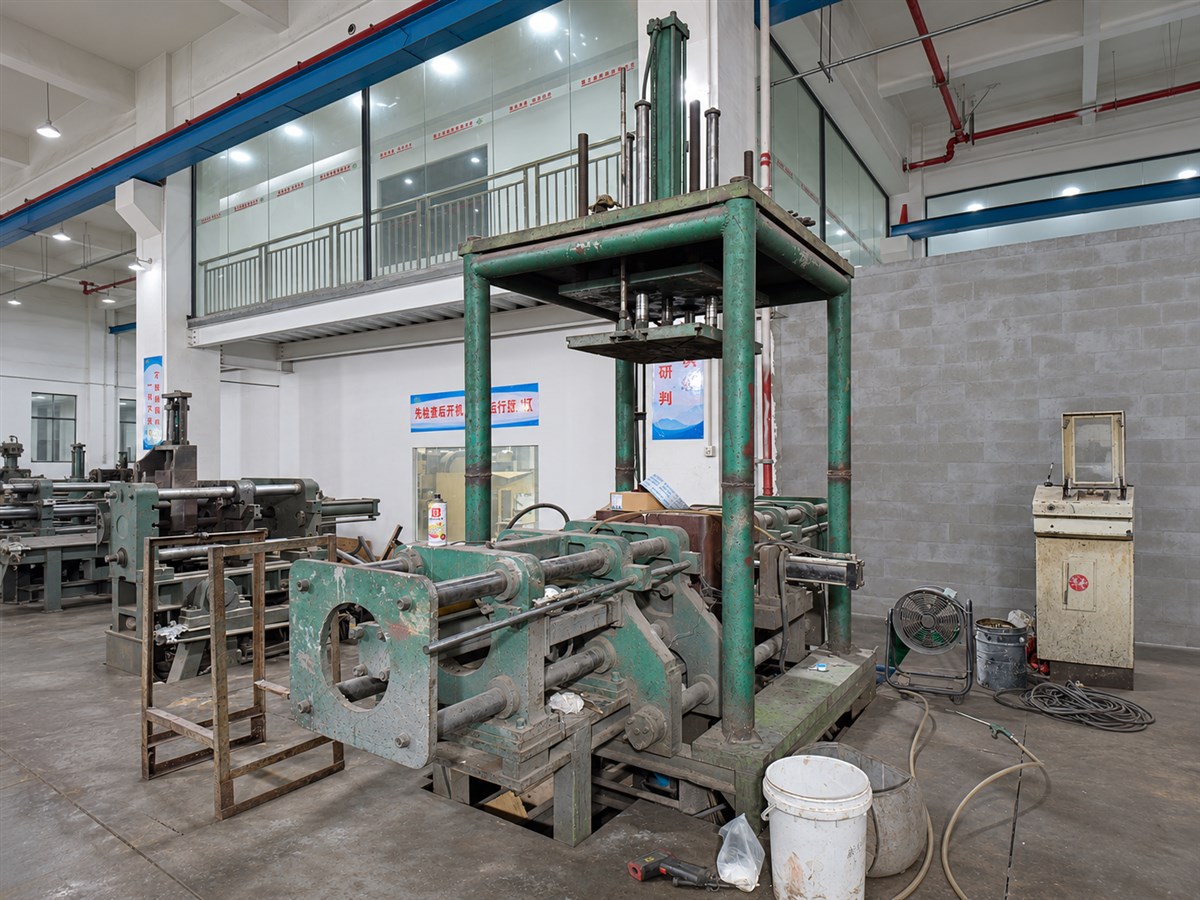
Equipment Configuration
- Vertical gravity casting machines
- Tilting gravity casting machines
- Multifunction casting stations
- Horizontal casting equipment
Automatic Line Control
- Machine and mold envelope
- 630 × 600 × 800 mm
- Maximum product envelope
- 500 × 500 × 550 mm
- Robotic transfer and repeat pouring cycles
- Temperature control filtration and automated cleanup support
Compare Casting Methods
Explore Casting Processes
Compare the five core processes or return to the Aluminum Casting overview for process selection support.
Current Process Gravity Permanent Mold Casting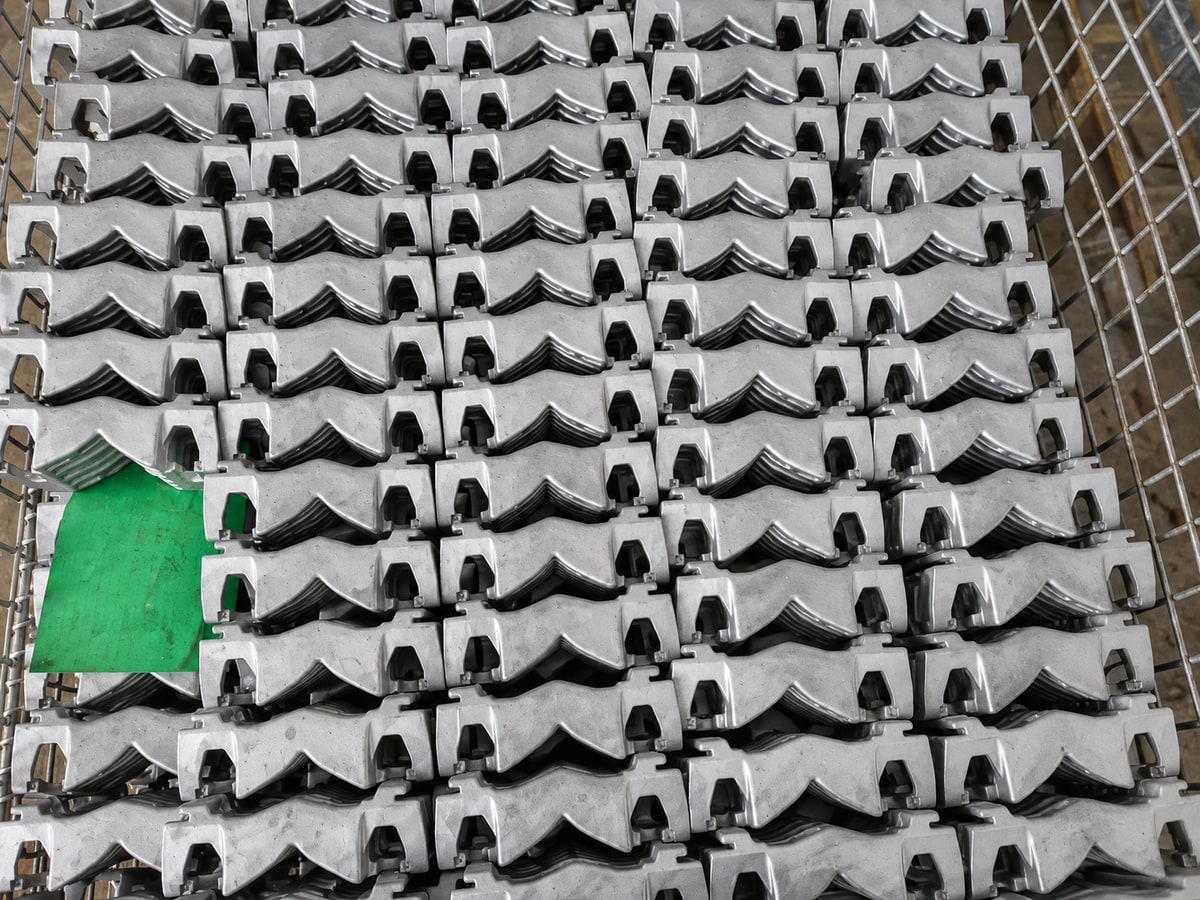
Your Next Manufacturing Project
Request an Engineering Review
Share available CAD data, drawings or samples, alloy, quantity, critical tolerances, performance, finish, inspection, and target timeline. The team will recommend a practical process.