Engineering-driven aluminum casting and precision manufacturing solutions

Aluminum Alloys & Material Selection
Compare aluminum alloy grades, understand international material standards, and review casting, heat treatment and machining requirements for your component. Cast iron and cast steel remain available as secondary grade references.

Aluminum Alloy Guides
Review six casting alloy grades by application, casting process and required performance. Open a guide for composition, mechanical reference values, design considerations and manufacturing options.
A356
Good castability for complex structural geometries

A357
High strength potential after appropriate heat treatment

A360
Good fluidity for complex die-cast geometries

A380
Good filling characteristics for complex die-cast geometries

AL106 / 1060
Pure Aluminum Reference · Review composition, conductivity, corrosion resistance and engineering considerations for commercially pure aluminum.

ADC12
Good fluidity for complex die-casting geometries

AC4A
Good castability for structural aluminum components
Aluminum Alloy Grade Comparison and Reference
| Current Material Grade | Related Grade References | Applicable Standards | Key Differences and Comparison Notes |
|---|---|---|---|
| A356 | ZL101A / AlSi7Mg0.3 | ASTM / GB / EN | Similar Al-Si-Mg alloy systems. Chemical composition and mechanical property requirements may differ. Not automatically interchangeable. |
| A357 | ZL114A / AlSi7Mg0.6 | ASTM / GB / EN | Both are Al-Si-Mg casting alloys. A357 generally has a higher Mg content and different strength potential. Actual properties depend on casting and heat-treatment conditions. |
| A360 | YL104 / ADC3 | ASTM / GB / JIS | Related aluminum die-casting grades. Differences in Fe, Mg and other element limits should be checked against the applicable standards. |
| A380 | YL112 / ADC10 | ASTM / GB / JIS | Similar Al-Si-Cu die-casting alloy systems, but composition limits, including Fe, Zn and other elements, may differ. |
| ADC12 | YL113 | JIS / GB | Commonly referenced Al-Si-Cu die-casting grades. Their composition ranges are similar in some respects but are not necessarily identical. |
| AC4A | ZL104 | JIS / GB | Both belong to the Al-Si-Mg casting alloy family. Differences in chemical composition, impurity limits and heat-treatment requirements need to be considered. |
Understanding International Aluminum Alloy Standards
ASTM
United States
EN
European Standards
GB
Chinese National Standards
JIS
Japanese Industrial Standards
Aluminum alloy grades are specified under different international standards, including ASTM (United States), EN (European Standards), GB (Chinese National Standards), and JIS (Japanese Industrial Standards).
Although some aluminum alloys share similar chemical compositions or belong to the same alloy family, their material designations, composition limits, mechanical property requirements, and technical specifications may differ between standards.
For example, two aluminum casting alloys may have similar silicon and magnesium contents but different limits for iron, copper, zinc, and other elements. They may also have different mechanical property requirements depending on the casting process, heat treatment condition, and applicable product specifications.
Therefore, selecting an alternative aluminum alloy requires more than comparing material designations.
Key Factors in Aluminum Alloy Selection
When reviewing aluminum alloy specifications or evaluating alternative materials, KCDCAST considers the following factors:
Chemical Composition
Silicon, magnesium, copper, iron, zinc, and other alloying elements, including their permitted limits.
Mechanical Properties
Tensile strength, yield strength, elongation, and other required performance characteristics.
Heat Treatment Conditions
Applicable heat treatment conditions, such as T5 and T6, and their effects on mechanical properties and dimensional stability.
Casting Process
Compatibility with gravity die casting, low-pressure casting, high-pressure die casting, or sand casting.
Component Design
Part geometry, wall thickness, structural requirements, and machining allowances.
Application Requirements
Operating environment, corrosion resistance, pressure tightness, dimensional accuracy, and customer-specific quality requirements.
Engineering Support for Material Comparison
KCDCAST provides engineering support for reviewing material specifications and comparing aluminum alloy grades across different international standards.
Based on customer drawings, technical specifications, and application requirements, our engineering team can help:
-
Specification Review
Review the original material designation and applicable standards.
-
Alloy Comparison
Compare related aluminum alloy grades and identify key differences.
-
Alternative Materials
Evaluate potential alternative materials based on chemical composition and mechanical properties.
-
Process Compatibility
Assess compatibility with the required casting process and subsequent machining operations.
-
Production Validation
Identify material and process requirements that need further validation before production.
Other Material References
Cast iron and cast steel are retained as secondary reference sections. Select Cast Iron or Cast Steel to review the grade tables and application images.
GB/T Cast Iron Grades
Cast Iron Grade Reference
Review commonly used gray and ductile iron grade families with their performance focus and application notes for preliminary material selection.
Material Family
GB/T Grades
Reference Notes
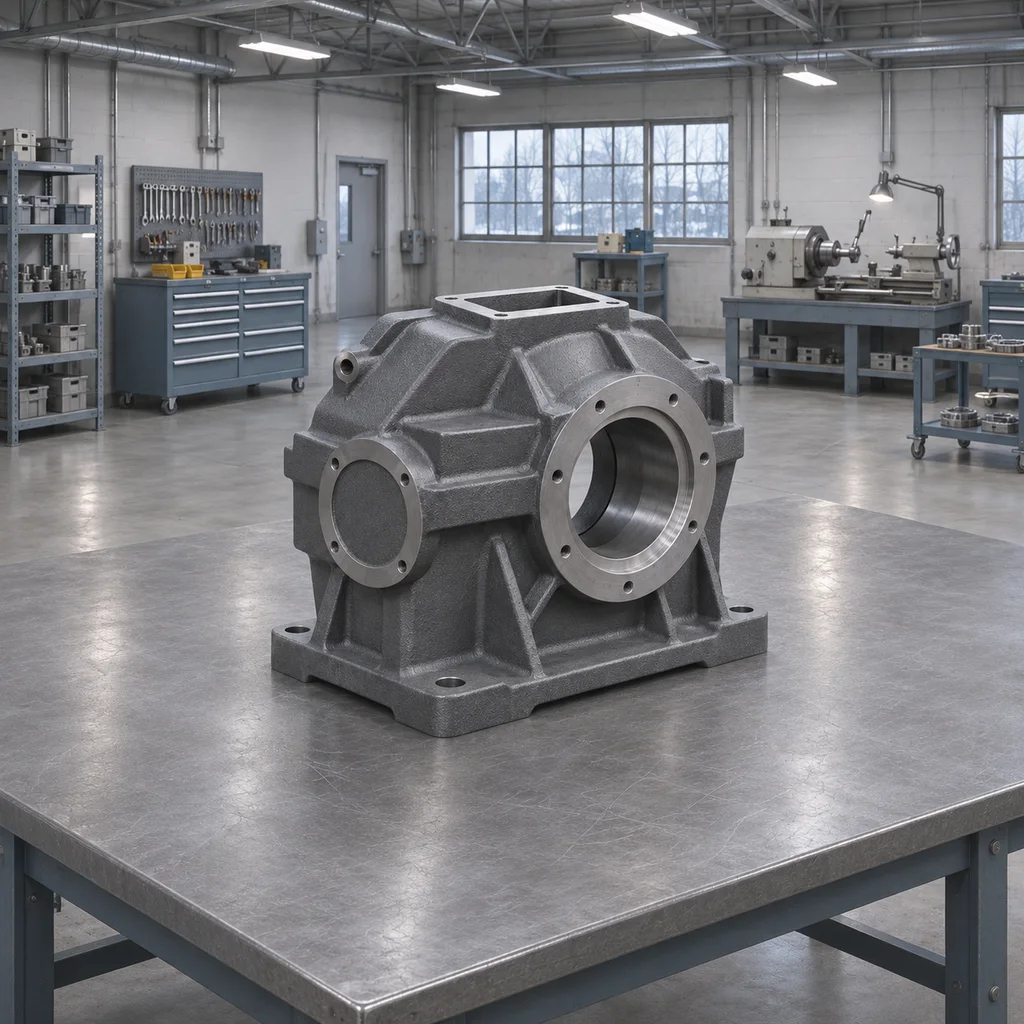 Gray Cast Iron
HT Series
HT100 · HT150 · HT200 · HT250 · HT300 · HT350
Compression and vibration-damping performance for machine beds and housings.
Machine beds · Housings
 Ductile Iron
QT Series
QT400-15 · QT450-10 · QT500-7 · QT550-5 · QT600-3 · QT700-2 · QT800-2 · QT900-2
High-strength cast iron grades that can replace selected cast-steel applications.
High-strength cast components
GB/T 11352 and GB/T 14408
Cast Steel Grade Reference
Compare commonly used cast-steel grade families by strength, wear, corrosion, and temperature requirements before confirming a production specification.
Material Family
GB/T Grades
Reference Notes
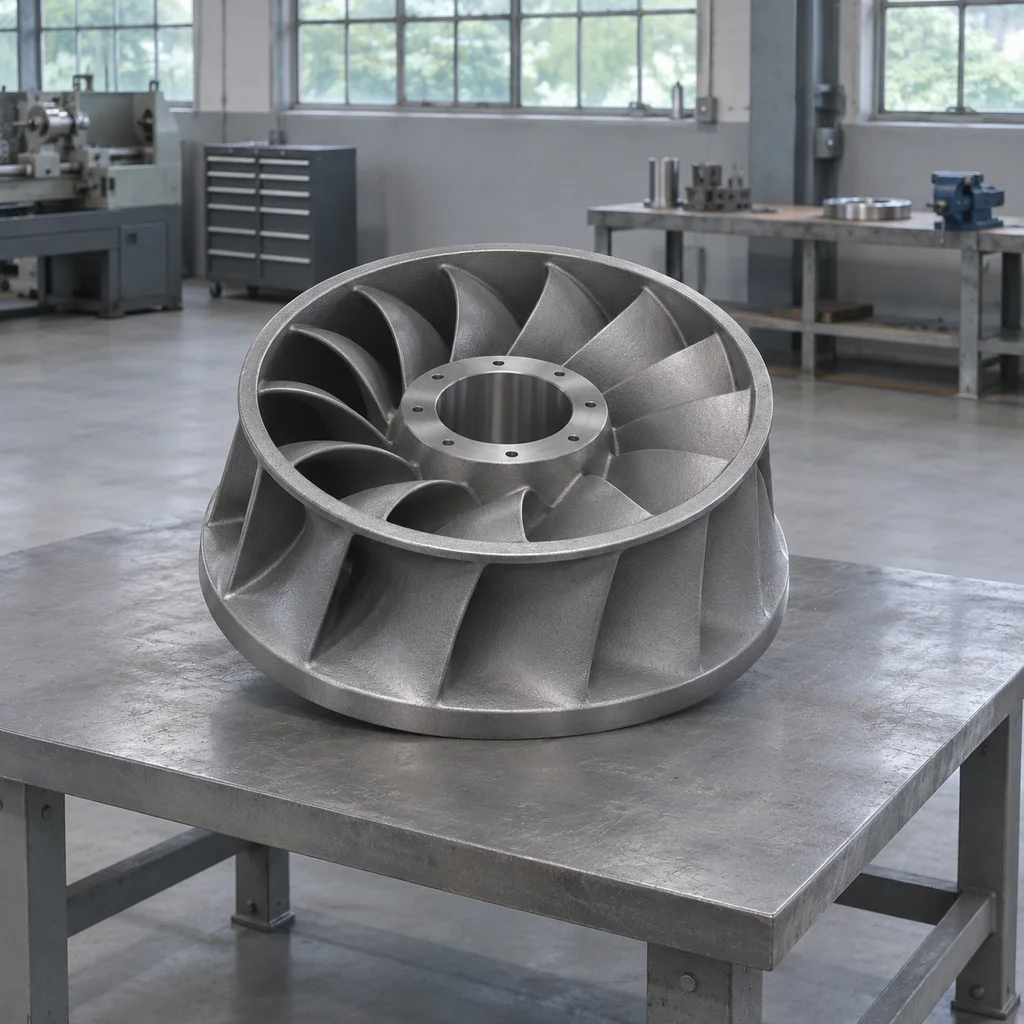 Engineering Carbon Cast Steel
General Structural Grades
ZG200-400 · ZG230-450 · ZG270-500 · ZG310-570 · ZG340-640
General-purpose grades for structural parts, brackets, and valve bodies.
Structures · Brackets · Valve bodies
 Low-Alloy Cast Steel
Strength and Wear Grades
ZG40Cr · ZG35CrMo · ZG42CrMo · ZG50Mn2 · ZG30CrMnSi
Low-alloy grades selected for wear resistance and higher strength.
Wear resistance · Higher strength
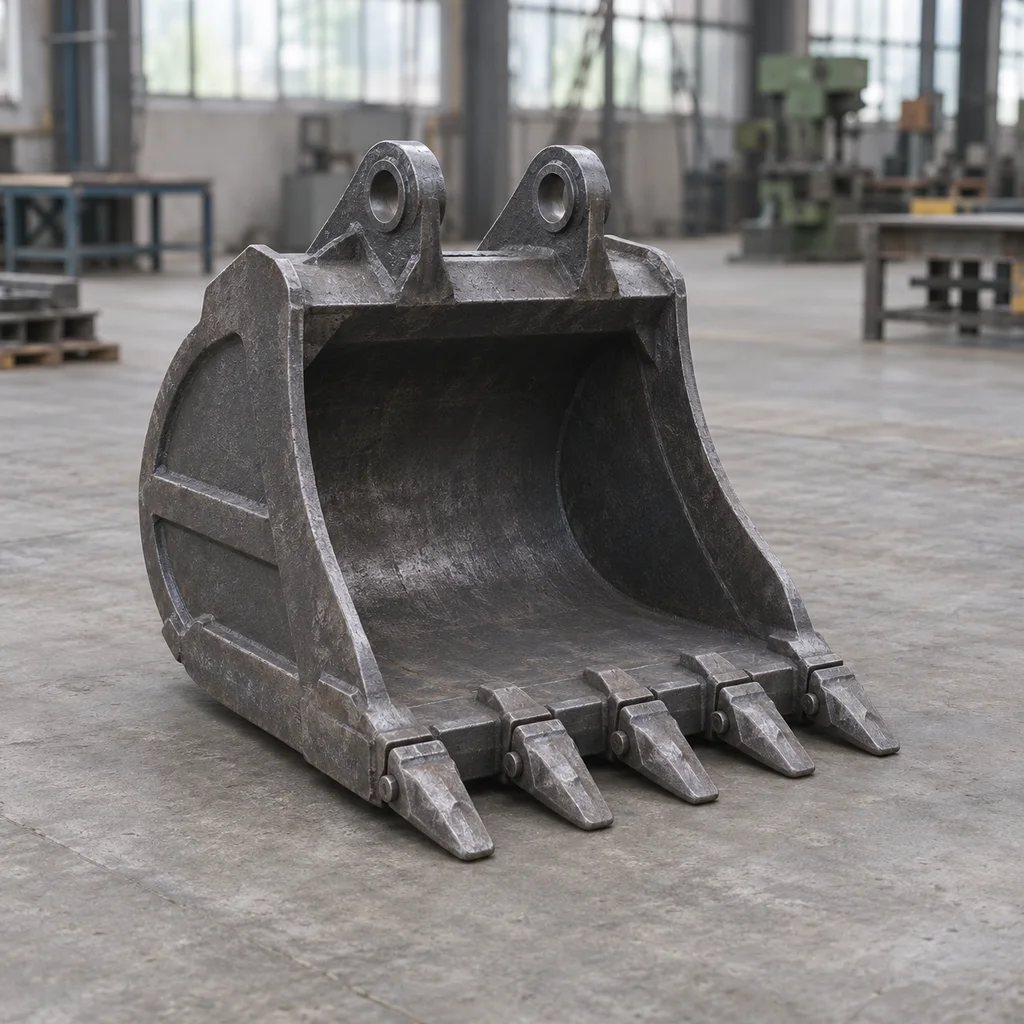 High-Manganese Wear-Resistant Cast Steel
ZGMn13 Series
ZGMn13-1 · ZGMn13-2 · ZGMn13-3 · ZGMn13-4
Wear-resistant grades for crusher liners and bucket teeth.
Crusher liners · Bucket teeth
 Stainless Cast Steel
Corrosion-Resistant Grades
ZG06Cr13 · ZG12Cr18Ni9 · ZG06Cr17Ni12Mo2
Corrosion-resistant grades for valve bodies and pump casings.
Valve bodies · Pump casings
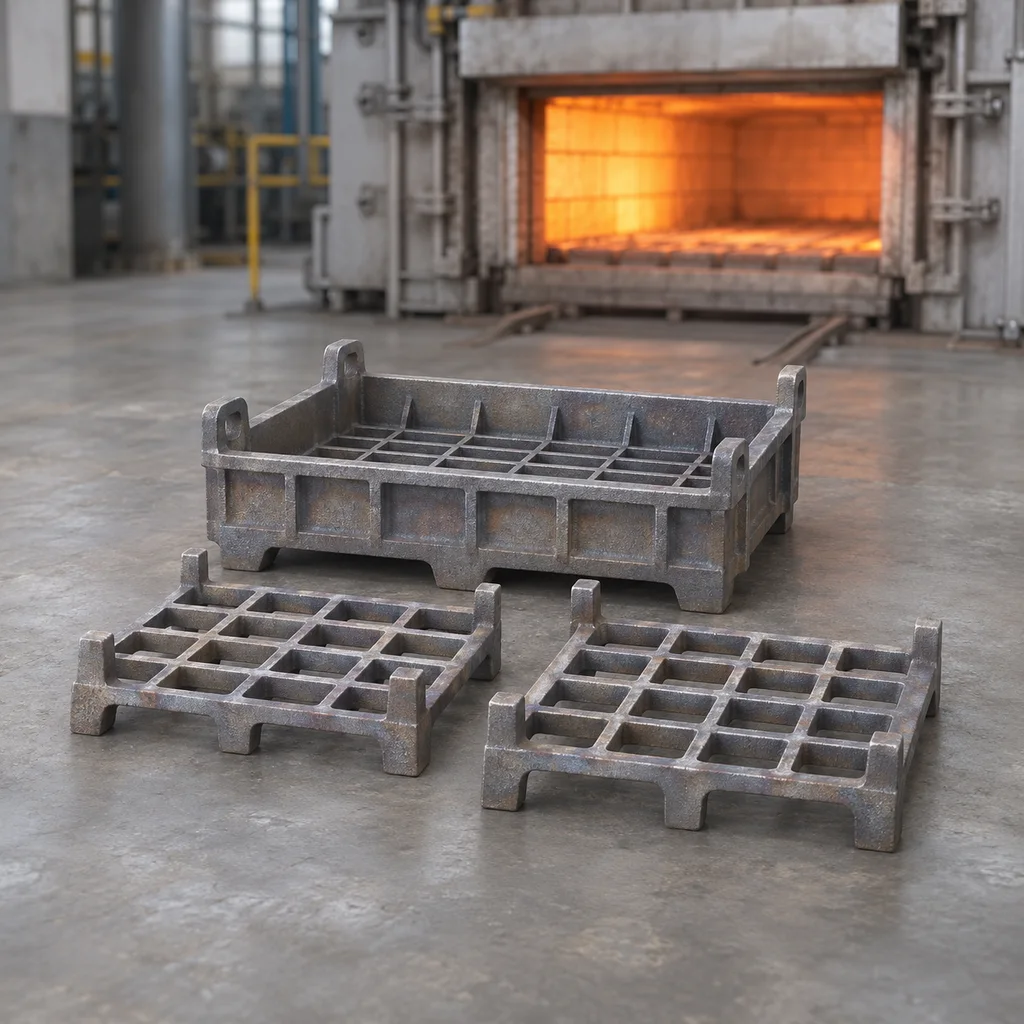 Heat-Resistant Cast Steel
High-Temperature Grades
ZG30Cr20Ni10 · ZG40Cr28Ni48W5
Heat-resistant grades for high-temperature furnace components.
High-temperature furnace components
Choose the Right Material for Production
Our engineering team can review material family, grade selection, loading, corrosion, heat treatment, casting process, machining allowance, and inspection requirements against your drawing.