Engineering-driven aluminum casting and precision manufacturing solutions

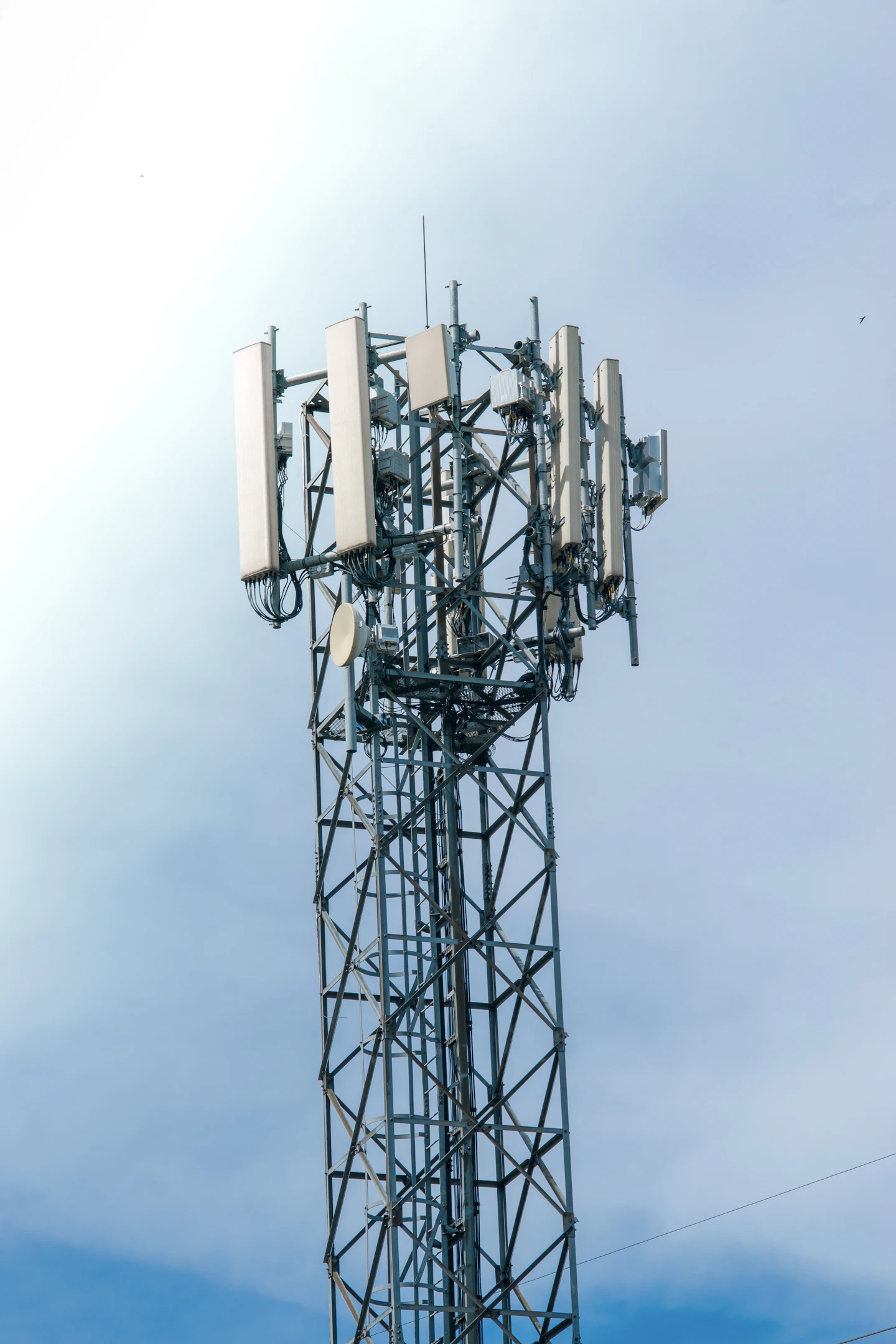
5G & Telecom
Custom aluminum castings and CNC-machined parts for base stations, antennas, and outdoor telecom equipment.
5G Equipment Applications
Cast aluminum helps keep base station equipment light while supporting structural loads, transferring heat and protecting electronics. Machined faces and holes give housings and brackets a consistent fit in the field.
- Outdoor Enclosures
- House electronics and choose sealing and finishes for rooftop or coastal exposure.
- Antenna and Equipment Mounts
- Carry installation loads and keep mounting faces and holes aligned.
- Heat Dissipation
- Use aluminum heat sinks and thermal contact faces to draw heat away from electronics.
Typical 5G Components
Common aluminum parts include base station housings, telecom enclosures, antenna mounting brackets, structural supports and heat sinks.
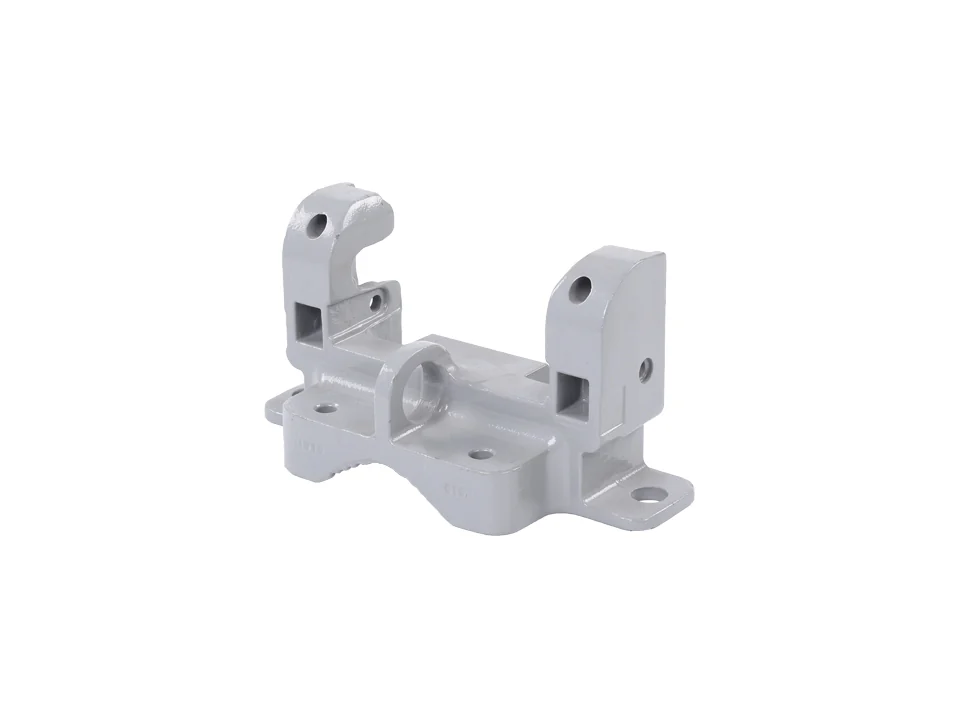
Cast Aluminum Mounting Bracket
Mounting faces and holes set the position of antennas and other equipment.
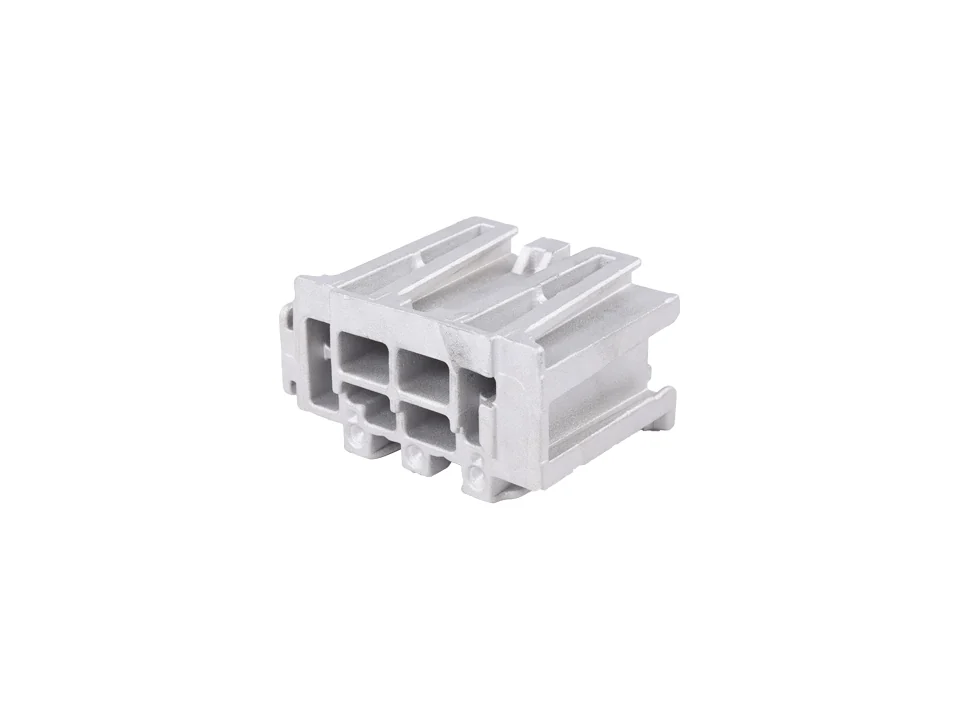
Ribbed Box Casting
Ribs stiffen enclosure walls while leaving room for connectors and internal hardware.
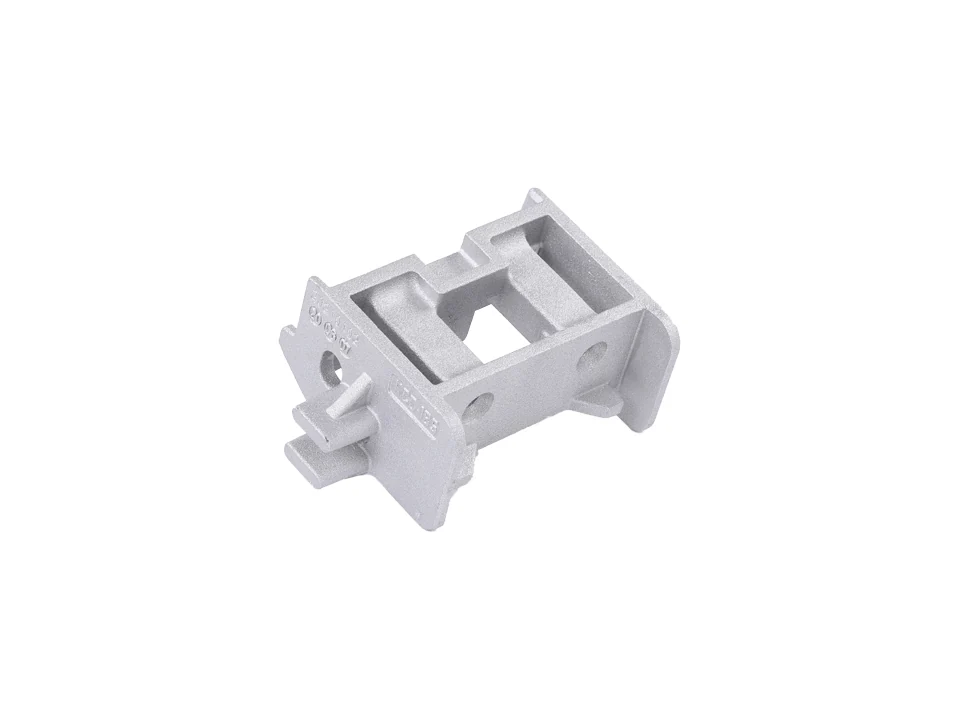
Open Frame Casting
Open sections leave clearance for cables and neighboring hardware.
Manufacturing Challenges for 5G Parts
Thin-Wall Filling
Thin sections and ribs need consistent fill without adding weight to complex castings.
Housing Strength and Cooling
Enclosures must stay stiff and transfer heat while keeping wall thickness suitable for casting.
Mounting and Machining Accuracy
Machined faces and holes need common datums so housings and brackets fit at assembly.
Outdoor Sealing and Protection
Gasket faces must seal, and coatings must suit the moisture and corrosion exposure at the installation.
Manufacturing Process
Manufacturing Process for 5G Components
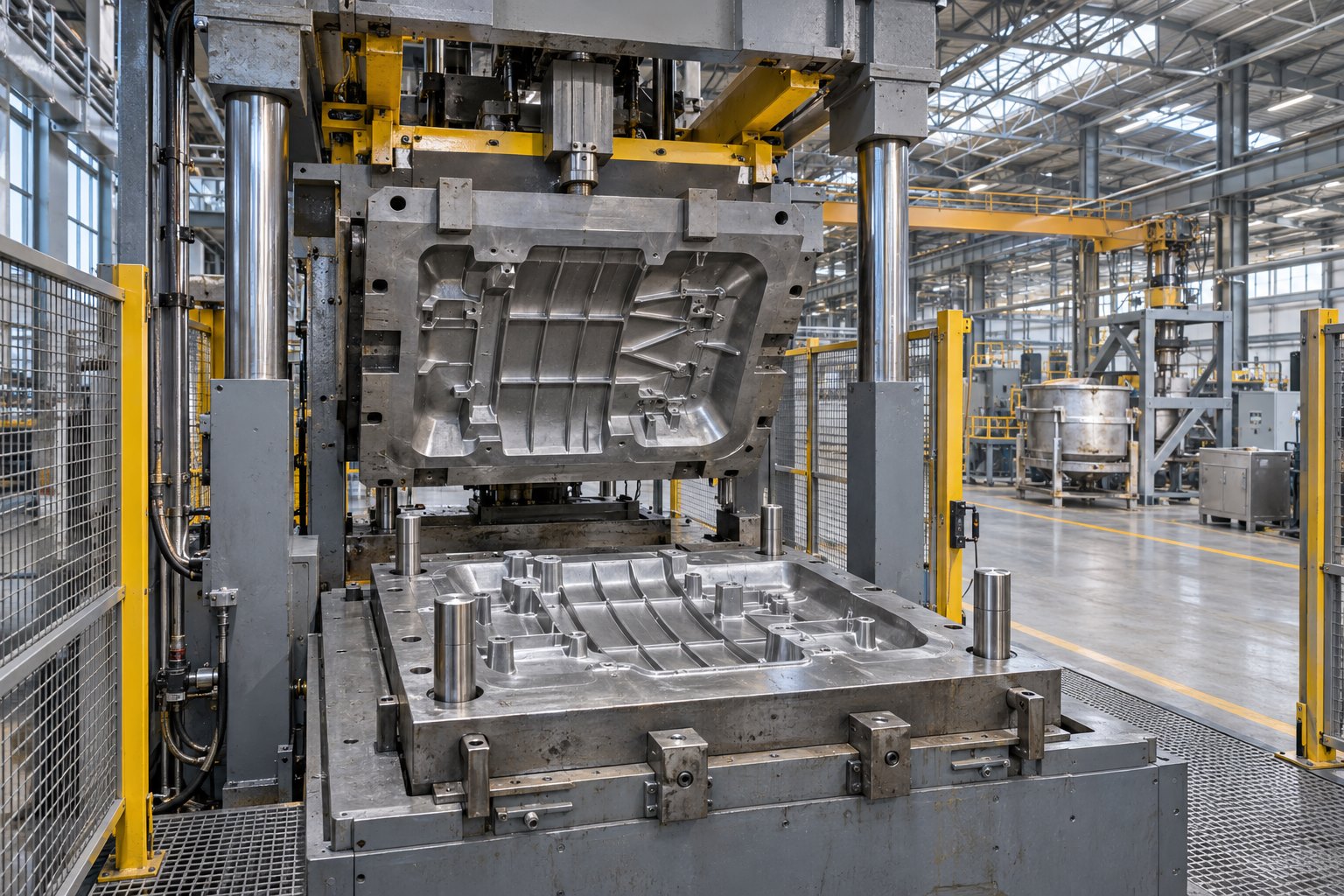
KCDCAST reviews 2D drawings, 3D models and operating conditions to select an alloy, casting process, machining plan and inspection method.
01
Design for Manufacturing
Check load paths, heat transfer, wall thickness and mating features against the installation requirements.
02
Casting Feasibility
Compare gravity permanent mold and low-pressure casting based on geometry, alloy and filling requirements.
03
Tooling and Sampling
Use sample castings to check fill quality and machining access before release.
04
CNC Machining
Machine mounting faces, holes, and thermal interfaces from the agreed datums.
05
Inspection and Release
Specify a finish for the operating environment and verify critical dimensions and project requirements before packing.
Customer Value
Early design and tooling reviews make complex parts easier to cast. Common machining datums and checks on critical dimensions improve batch consistency and assembly fit, helping production run efficiently.

Project Example
Outdoor 5G Base Station Mounting Components
KCDCAST produced ZL116 mounting components for outdoor 5G base stations. Dedicated gravity casting tooling formed the parts, and CNC machining finished the critical mounting dimensions.
- Material
- ZL116 aluminum alloy
- Manufacturing
- Gravity die casting, heat treatment, CNC machining, protective finishing
- Validation
- First article and CMM checks, plus static load and torque tests
Manufacturing Services for 5G Components
Aluminum Casting
-
Gravity Permanent Mold Casting
Reusable tooling for repeatable cast housings, brackets and supports.
-
Low-Pressure Aluminum Casting
Controlled filling for suitable housing and structural geometries.
Secondary Operations and Inspection
-
CNC Precision Machining
Machining for mounting faces, connection holes and sealing surfaces.
-
Post-Casting Treatment
Heat treatment and surface finishing suited to the alloy and exposure.
-
Quality Inspection and Testing
Dimensional, material and process checks for documented release.
Project Development Process
01
Share Your Drawings
Send your CAD files, quantities and operating requirements.
02
Manufacturing Process Confirmation
Review material, tooling, machining and inspection requirements.
03
Receive Verified Parts
Confirm final inspection records, protection and delivery.
Request a 5G Component Review
Send your drawings, quantity, installation conditions, and critical interfaces. We will review the casting and machining process.