Engineering-driven aluminum casting and precision manufacturing solutions

Aluminum Casting Services
Select the right aluminum casting process for part geometry, volume, pressure integrity, surface requirements, and downstream CNC machining.

Casting weight range by process review
50 g–300 kg
Machining envelope across the process
100–2000 mm
CMM inspection resolution
0.001 mm
Minimum order for suitable programs
10 pcs
Casting Capabilities
Aluminum Casting Processes
Start with the process fit, then review the detailed service and engineering limits.

Gravity Die Casting
Reusable metal molds for repeat production, heat-treatable parts, and controlled downstream machining.

High-Pressure Casting
Fast automated production for complex thin-wall housings, integrated geometry, and repeatable output.

Low-Pressure Casting
Controlled bottom-up filling for structural housings, pressure-sensitive parts, and high material utilization.
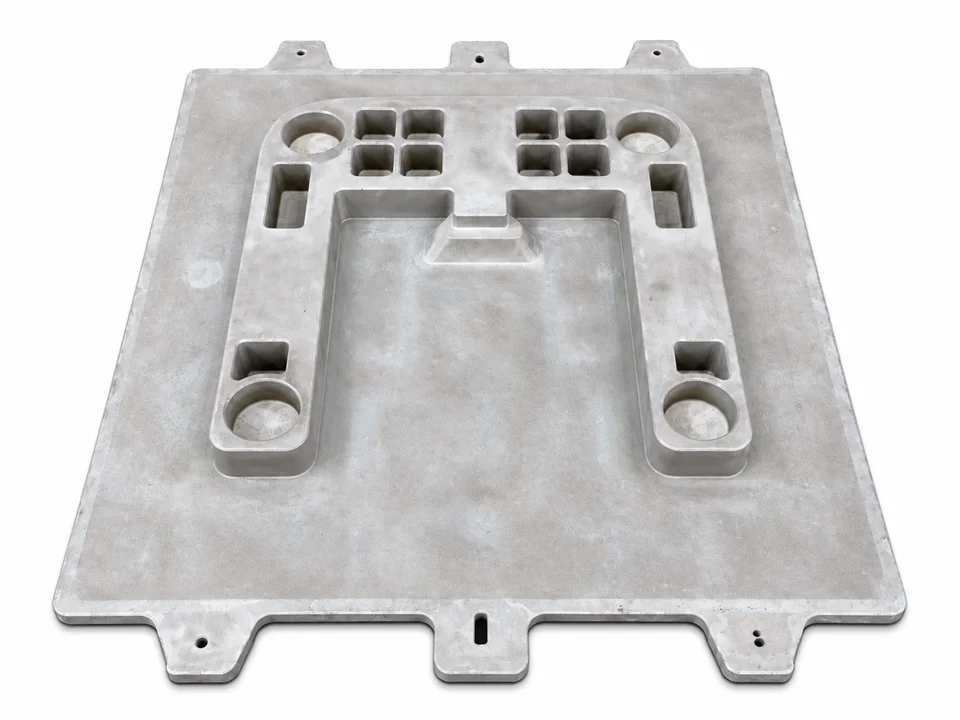
Sand Casting
Flexible production for large components, complex cores, prototypes, and low-volume programs.

3D-Printed Sand Casting
Pattern-free mold and core production for rapid iteration and complex internal passage design.
Compare Casting Processes
Process Selection
The right process balances performance, tooling investment, expected volume, part size, and the amount of machining required after casting.
Process 01
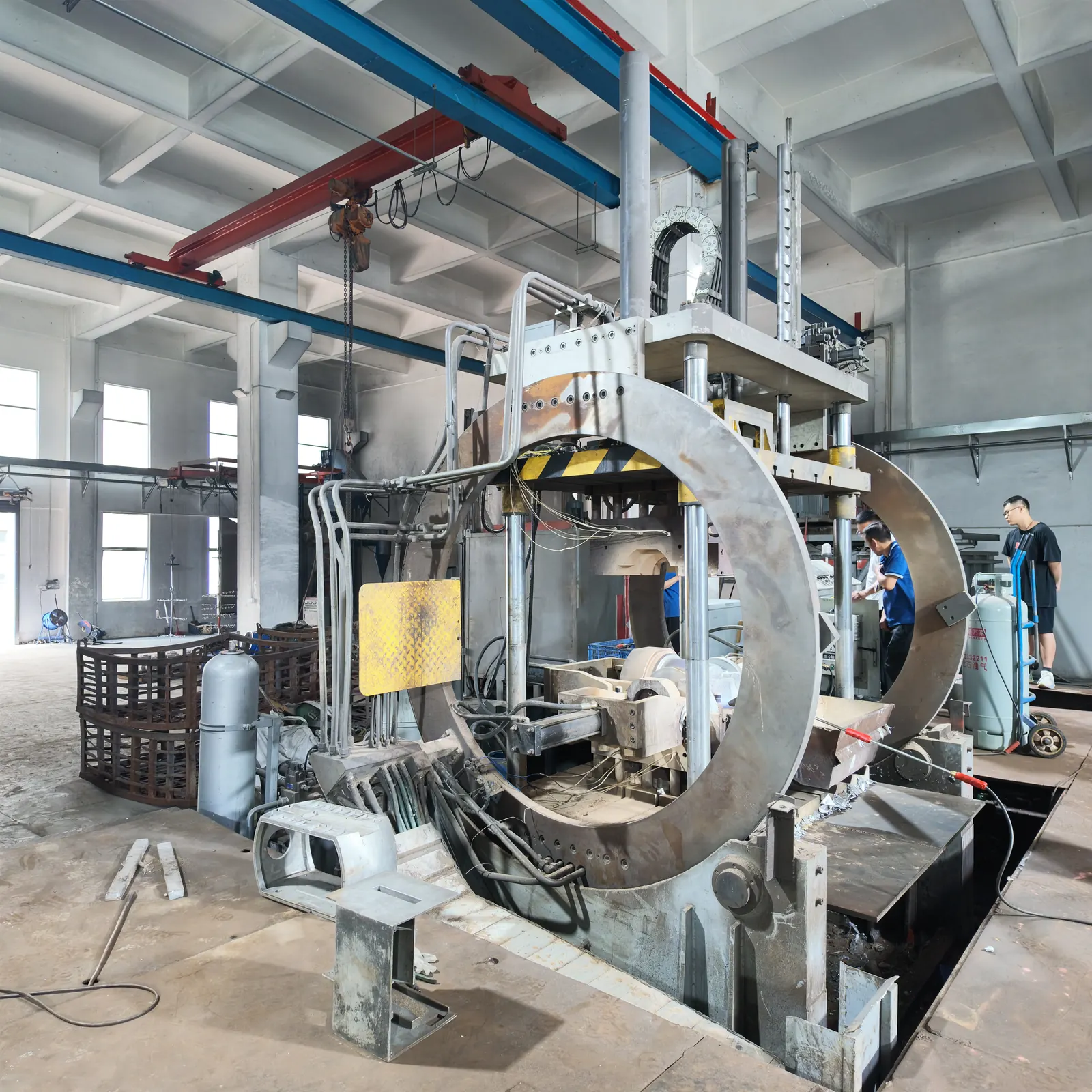
Gravity Permanent Mold Casting
- Suitable For
- Housings, brackets, pump and valve bodies
- Engineering Focus
- Gating, feeding, solidification, heat treatment
- Production Profile
- Repeat production with reusable metal tooling
Process 02
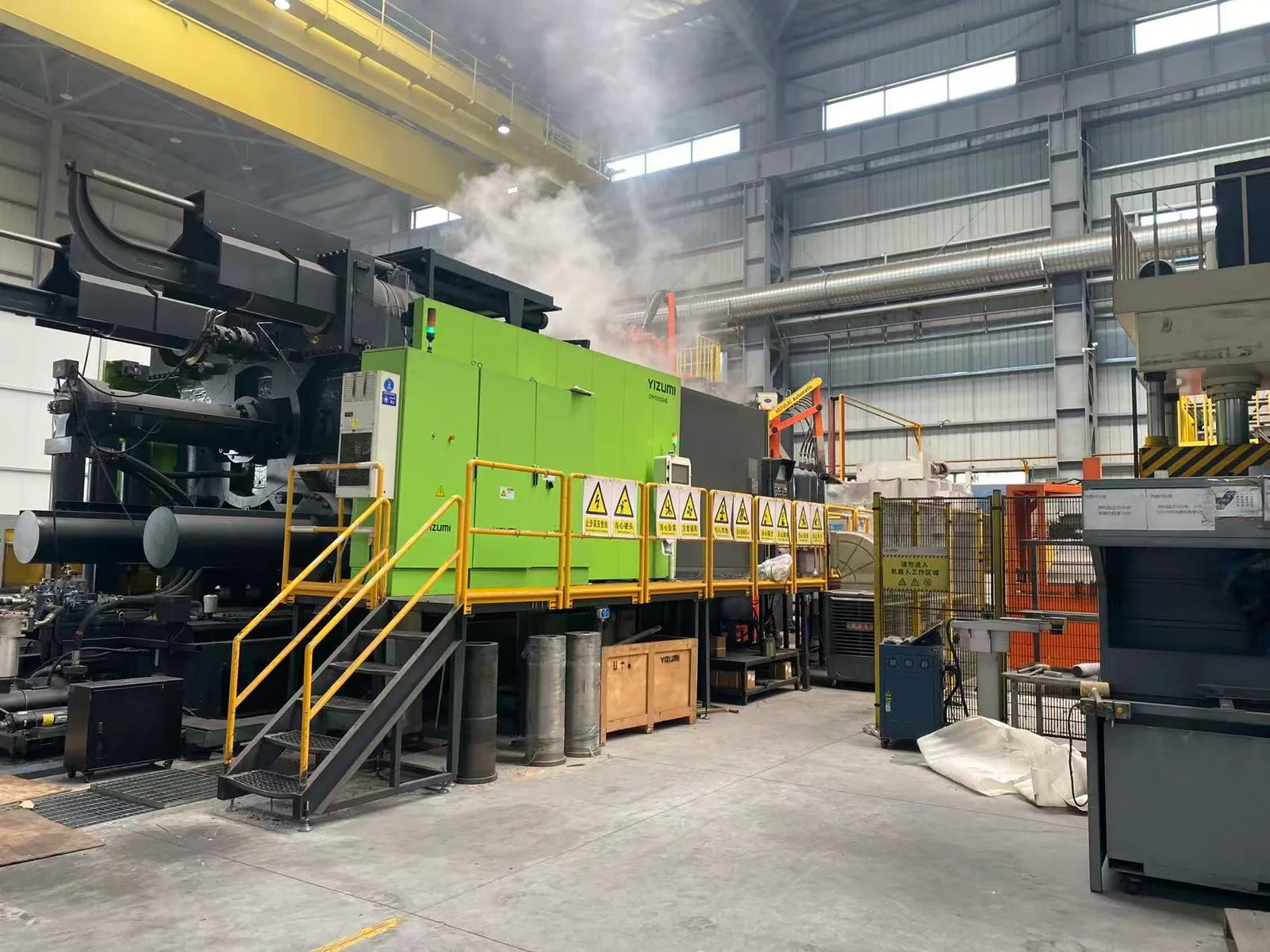
High-Pressure Aluminum Casting
- Suitable For
- Thin walls, integrated features, repeat geometry
- Engineering Focus
- Wall transitions, gas control, trim and machining stock
- Production Profile
- Automated medium- to high-volume production
Process 03
Low-Pressure Aluminum Casting
- Suitable For
- Structural and pressure-sensitive housings
- Engineering Focus
- Bottom-up filling, pressure curve, directional solidification
- Production Profile
- Medium- to high-volume controlled production

Process 04
Sand Casting
- Suitable For
- Large parts, complex cores, custom machinery
- Engineering Focus
- Pattern, core system, allowance, cleanup and machining
- Production Profile
- Prototype, low-volume, and large-format programs

Process 05
3D-Printed Sand Casting
- Suitable For
- Rapid iteration and complex internal passages
- Engineering Focus
- Print-ready mold segmentation, support and feeding
- Production Profile
- Prototype and low-volume development

Aluminum Alloys
Aluminum Casting Alloys
Final alloy selection is confirmed against strength, thermal behavior, corrosion environment, heat-treatment process, surface finish, and the selected casting process.

Cast aluminum component with machined interfaces
| Alloy Family | Casting Process | Selection Focus |
|---|---|---|
| A356, A356.2 | Gravity, low-pressure, sand, and printed-sand processes | Heat-treatable structural castings, pressure integrity, machinability |
| A357 | Low-pressure and sand-based processes | Higher mechanical-property programs requiring controlled processing |
| A360, A380 | High-pressure aluminum casting | Fluidity, dimensional repeatability, integrated thin-wall geometry |
| ADC12, A413 | High-pressure aluminum casting | Production housings, enclosures, thermal and functional geometry |
| ZL101, ZL104, ZL106, AC4A | Gravity and low-pressure aluminum casting | Application-specific strength, castability, pressure integrity, and heat treatment |
Material equivalency is reviewed by specification and end use. It is not treated as an automatic one-to-one substitution.
View Material Specifications
Manufacturing Capacity
Production Capacity
Capability values represent the broader manufacturing process and remain subject to drawing, alloy, geometry, quality level, and process review.

Aluminum casting production at KCDCAST
50 g–300 kg
Cast part weight range across suitable processes
100–2000 mm
Machining envelope across supported programs
Dimensional Control
≤ 0.02 mm
Machining tolerance for reviewed features
0.001 mm
CMM inspection resolution
- Production equipment resources
- 500
- Monthly capacity reference
- 300 tonnes
- Fastest delivery for qualified schedules
- 15 days
- Minimum order for suitable programs
- 10 pcs
Aluminum Casting Process
From drawing review and tooling to casting, heat treatment, CNC machining, surface finishing and final inspection.
01
DFM and Process Selection
Part geometry, pressure requirements, annual volume, alloy, machining datums, and acceptance criteria are reviewed.
02
Mold and Core Engineering
Gating, feeding, venting, cooling, core design, allowances, and process controls are defined.
03
Casting and Solidification
Melting, transfer, filling, pressure or gravity control, and solidification follow the approved process.
04
Cleaning and Trimming
Gates, runners, flash, and residual sand are removed with controlled cleanup.
05
Heat Treatment
T5 or T6 treatment is applied where alloy and drawing requirements call for it.
06
CNC Precision Machining
Critical faces, bores, threads, and datums are machined to the released plan.
07
Surface Finishing
Coating, blasting, impregnation, and related finishing are coordinated by application.
08
Inspection and Release
Dimensional, material, mechanical, pressure, surface, and internal-quality checks support release.
Additional Processes
Additional Casting Processes

Lost Foam Casting
Molten metal replaces a foam pattern embedded in sand, reproducing the shape of the pattern.
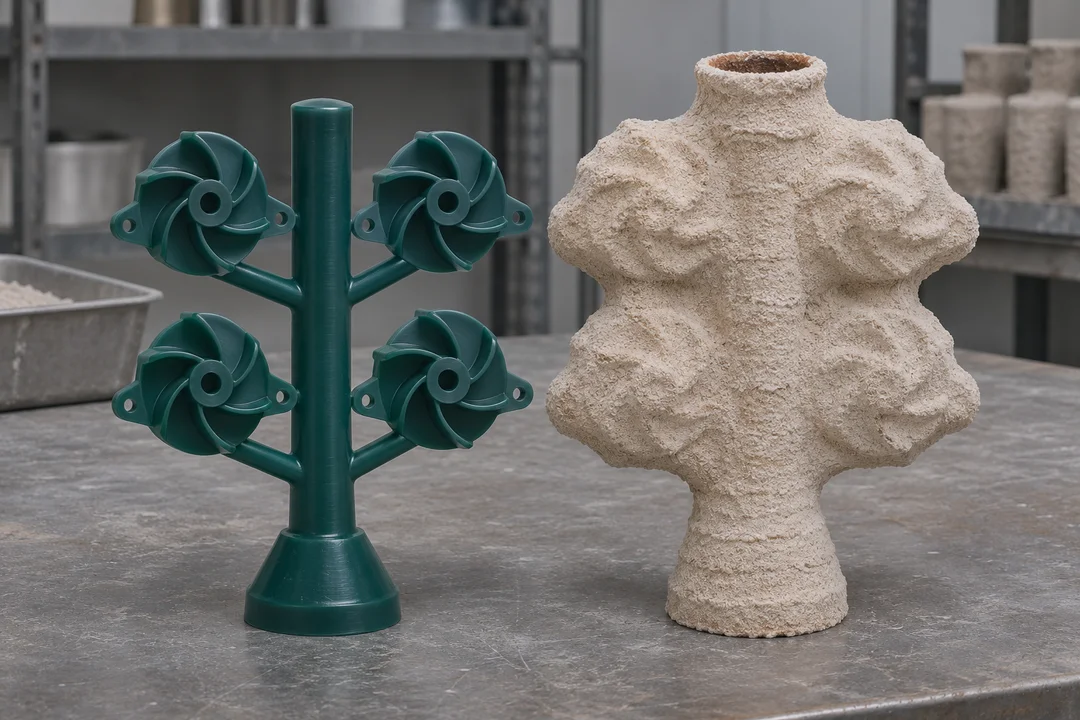
Investment Casting
A ceramic shell is built around a wax pattern. The wax is removed before molten metal is poured into the shell.
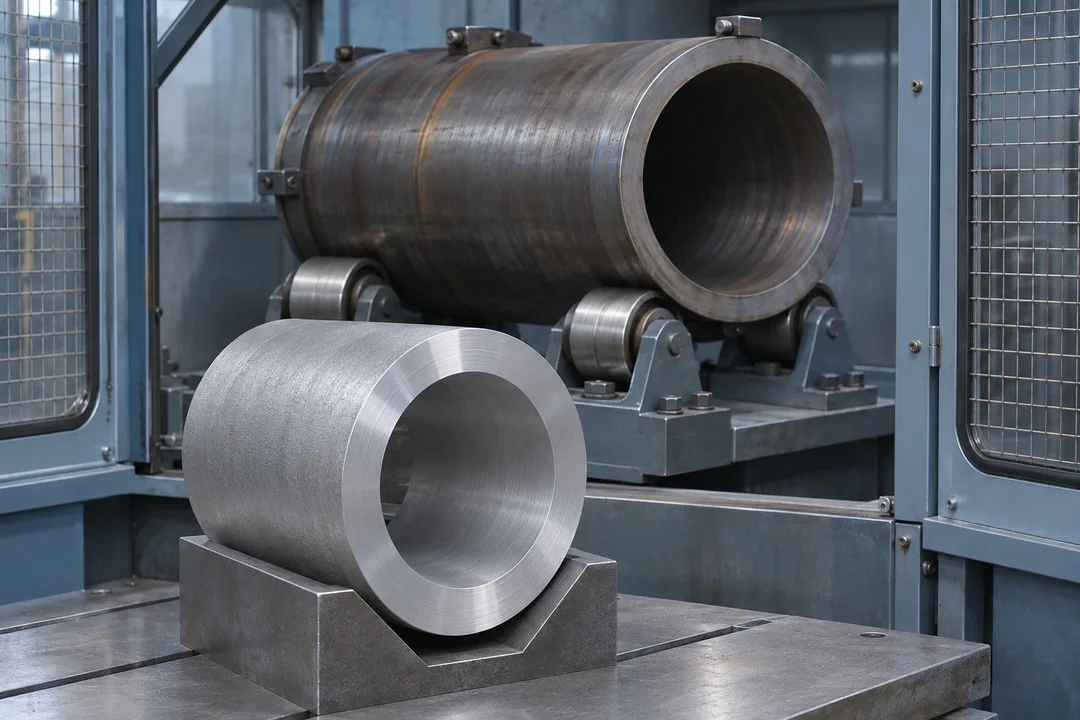
Centrifugal Casting
Molten metal is introduced into a rotating mold, where centrifugal force distributes it along the mold wall.
Process illustrations
Connected Services
Related Manufacturing Services
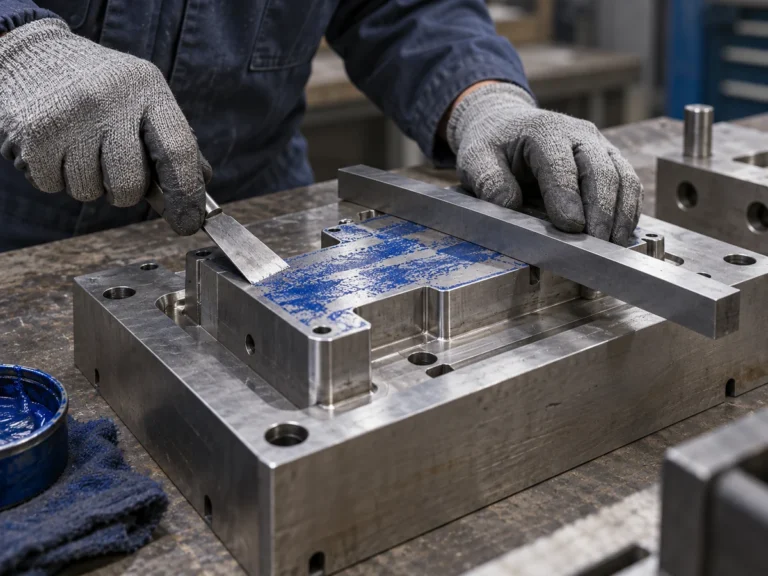
Use one capability as a defined project stage, or combine services under one engineering, quality, and delivery owner.
-

-
-

-

-

-

Project Questions
Aluminum Casting FAQs

Which aluminum casting process should we choose?
The process depends on part geometry, alloy, expected quantity, tooling investment, and downstream machining. Gravity die casting, low-pressure casting, high-pressure casting, sand casting, and 3D-printed sand casting are reviewed against those requirements.
Can you help select the aluminum alloy?
Alloy selection is reviewed against strength, thermal behavior, corrosion exposure, heat treatment, surface finish, and the casting process. Please share the required material specification; equivalent grades need a specification and end-use review.
Can you supply machined and finished castings?
Casting can be coordinated with tooling, post-casting treatment, CNC machining, and post-machining treatment. Critical datums, machining allowance, finish, and inspection requirements are reviewed as part of the connected manufacturing process.
How are inspection requirements confirmed?
Share the drawing, critical dimensions, material requirements, and acceptance criteria. The inspection plan is reviewed with the selected process and may include dimensional checks, material verification, and application-specific testing.
What should we send for a casting review?
Send available 2D drawings, 3D CAD data or samples, the alloy specification, expected quantity, critical tolerances, finish, inspection requirements, and target delivery schedule. These inputs help the team recommend a practical casting and manufacturing process.
Your Next Manufacturing Project
Request an Engineering Review
Share available CAD data, drawings or samples, alloy, quantity, critical tolerances, performance, finish, inspection, and target timeline. The team will recommend a practical process.
Integrated engineering and quality support · Flexible production quantities
Request a Quote