Engineering-driven aluminum casting and precision manufacturing solutions

KCDCAST / ALUMINUM MANUFACTURING
Aluminum Casting & Precision Machining for Complex Components
From DFM and tooling to finished aluminum parts, one team coordinates casting, CNC machining and inspection.
DFM & Tooling Casting & CNC Dimensional Inspection

Drag to rotate · Scroll to zoom
Engineering Support DFM, DFMEA, and PFMEA support for manufacturability and production planning.
Tooling Manufacturing Tool design, mold manufacturing, trial, and production preparation.
Aluminum Casting Gravity die casting, sand casting, low pressure die casting, High-Pressure Die Casting, and 3D-Printed Sand Casting.
CNC Machining Precision machining and dimensional inspection for finished components.
30+ Years of Experience ✦ In-House Mold Development ✦ Aluminum Casting & Precision Machining ✦ Prototype to Mass Production
Aluminum Casting and Machining Expertise
KCDCAST is based in Guangdong and integrates mold research and development, aluminum casting, precision machining, engineering support, and quality inspection.
With more than 30 years of manufacturing experience, the team supports projects from tooling, prototyping, and trial production through volume manufacturing, inspection, and delivery.
Talk to our engineering teamEngineering Support for Manufacturing Innovation
0
Years of Manufacturing Experience
0
Manufacturing Facility
0
Projects Delivered
0
Patents
0
Production & Inspection Equipment
Manufacturing Facilities
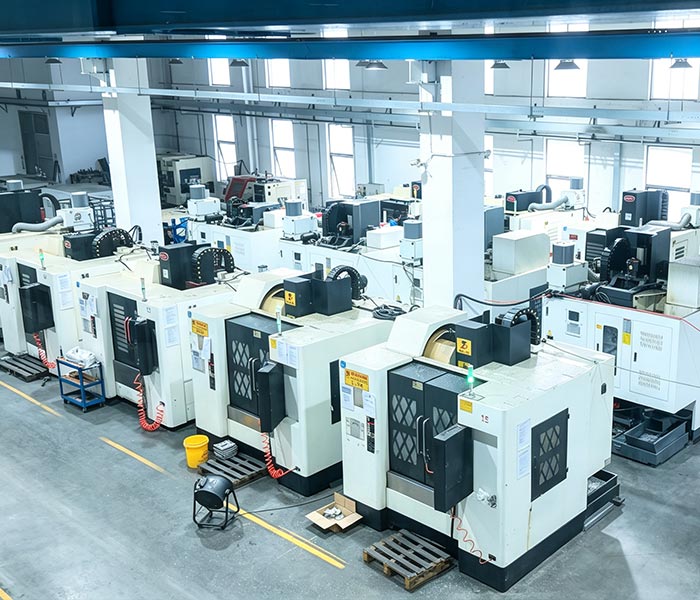
CNC Processing Workshop
Multi-axis machining capacity supports precise features, repeatable tolerances, and stable batch production.

Fully Automatic Casting System
Automated casting cells coordinate mold handling and process control for consistent aluminum components.
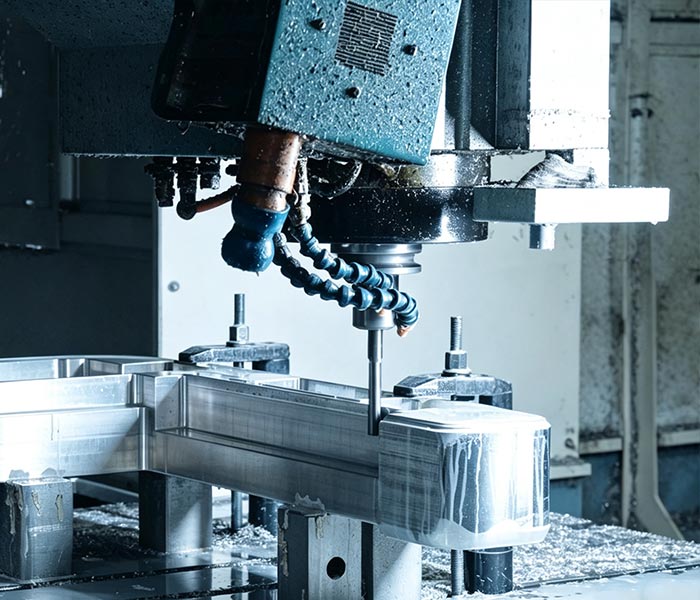
Gantry Machining Center
Large-format machining equipment handles oversized tooling and structural parts with controlled accuracy.
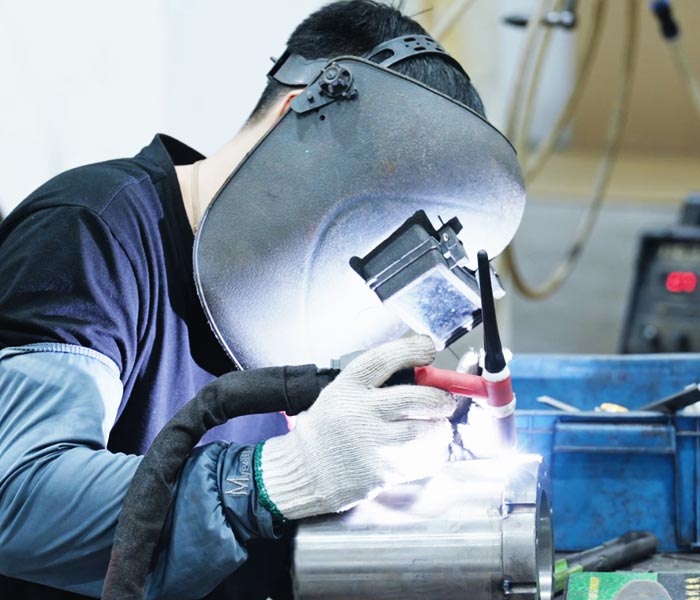
Mold Machining
Dedicated mold machining supports tooling manufacture, correction, and production-ready validation.

Post-processing Workshop
Grinding, polishing, and finishing operations prepare cast parts for inspection and final surface treatment.

Temperature-controlled Melting Furnace
Controlled melting supports alloy consistency and stable preparation before casting.
Manufacturing Capabilities
One connected team for engineering, tooling, casting and precision machining.
Better decisions before production
Turn your drawings into a practical, coordinated manufacturing process.
DFM Analysis
Review casting feasibility, machining access and process risks.
Product Optimization
Refine wall thickness, ribs, draft and gating around the part’s function.
Engineering Support
Connect prototype trials, validation and stable production.

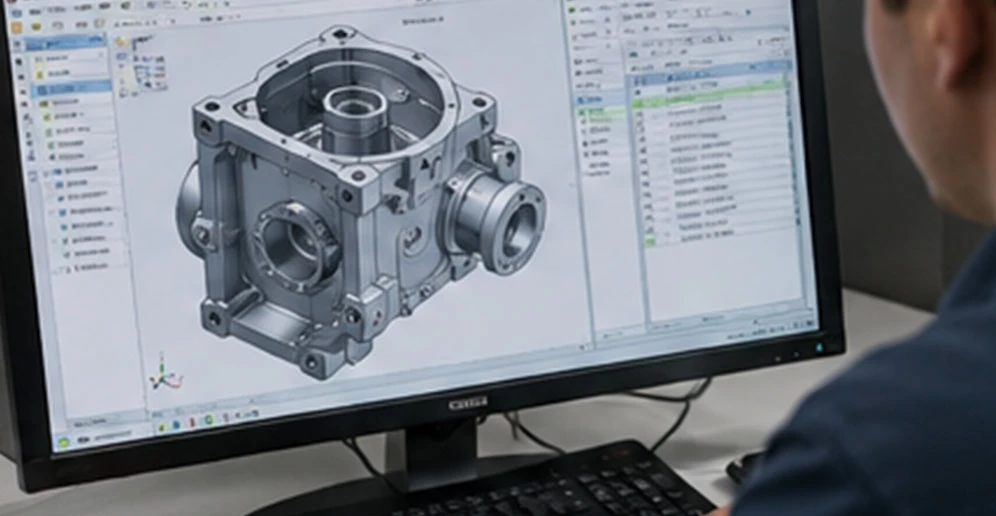
Tooling built around your component
Connect mold design, manufacturing and trials in one development process.
Design and Simulation
Plan filling, venting and thermal balance before mold trials.
In-house Manufacturing
Machine the cavities and control critical tooling geometry.
Trials and Refinement
Verify sample dimensions and refine production parameters.

A casting route matched to your part
Coordinate geometry, alloy and production requirements from the start.
Process Selection
Compare gravity, low-pressure, sand and 3D-printed casting.
Prototype Development
Validate geometry and casting feasibility with samples.
Production Planning
Connect casting with heat treatment and downstream machining.
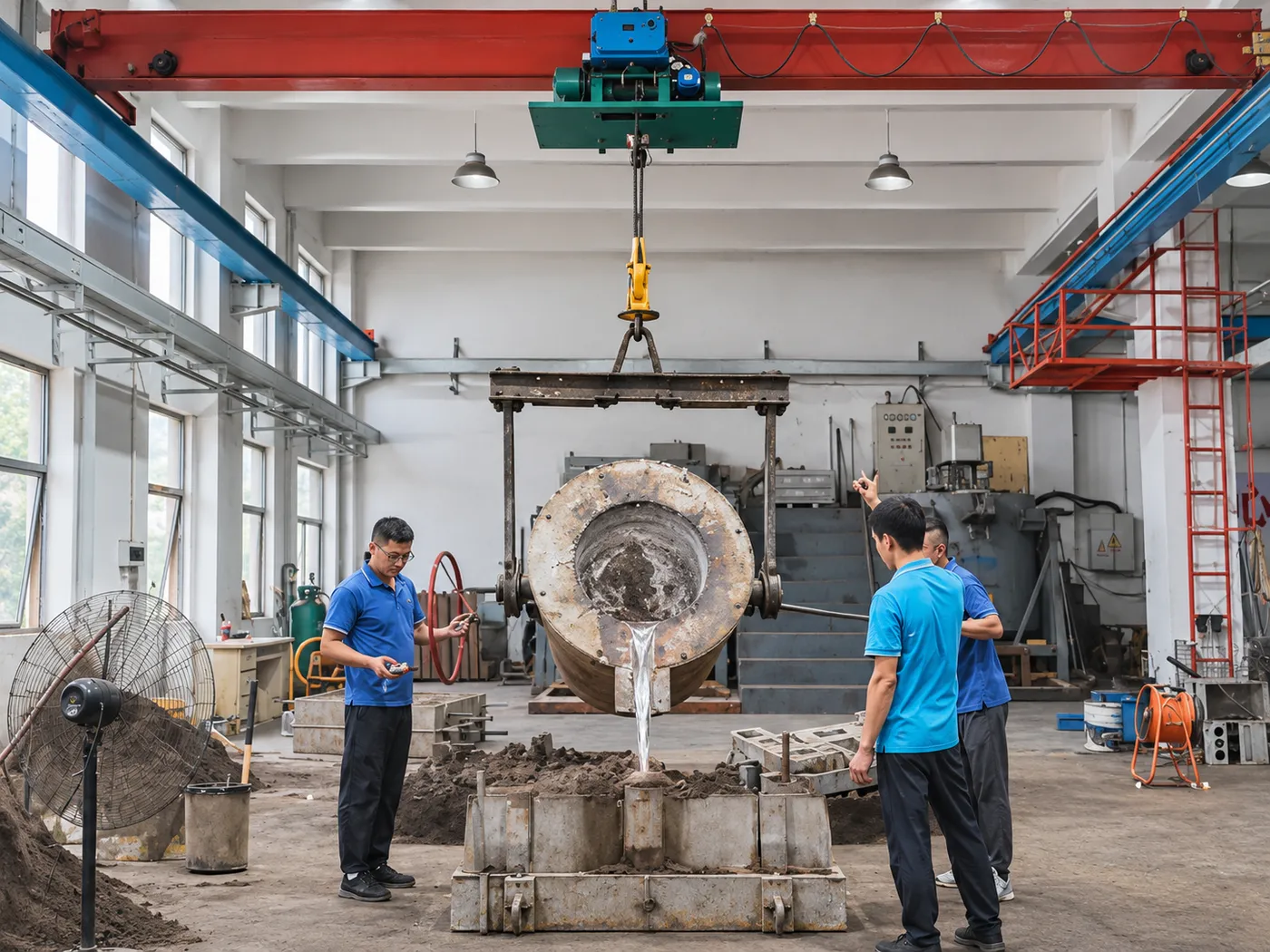
Precision at every critical interface
Machine the features that control assembly, sealing and performance.
Multi-axis Machining
Combine CNC milling, turning and large-format machining.
Functional Interfaces
Control bores, sealing faces, threads and assembly datums.
Inspection Evidence
Support dimensional reports, FAI and PPAP documentation.

Manufacturing Advantages
Engineering, production, quality, and delivery work as one connected system—giving complex aluminum programs clearer ownership from drawing review to final shipment.
Explore the complete strengths From tooling and casting to machining and inspection. 20,000 m² Modern factory 500 Manufacturing assets Production & Manufacturing Capacity Capacity built for complex aluminum parts.
Casting, CNC machining, heat treatment, and inspection are coordinated under one production system.
300 t/month ↗ R&D and Engineering Strength Engineering that connects design to production.DFM, tooling, process development, validation, and launch support reduce risk before scale-up.
DFM to validation ↗ Quality Assurance System Quality controls backed by inspection evidence.Certified management systems and precision metrology keep critical requirements traceable.
0.001 mm inspection ↗ Global Delivery & Services One team from production release to delivery.International logistics coordination and responsive support keep global programs moving.
Worldwide support ↗Industries We Serve
Application-specific casting and machining, with material, finishing and inspection matched to your component.

5G & Telecommunications
View Solution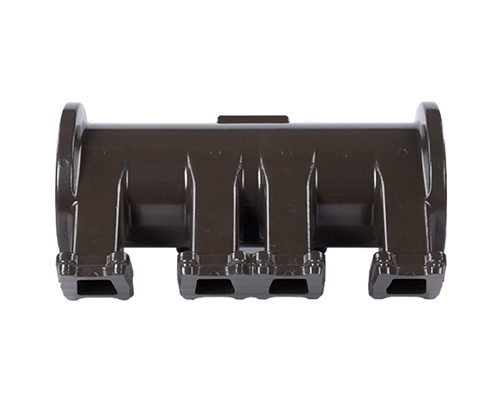
Automotive
View Solution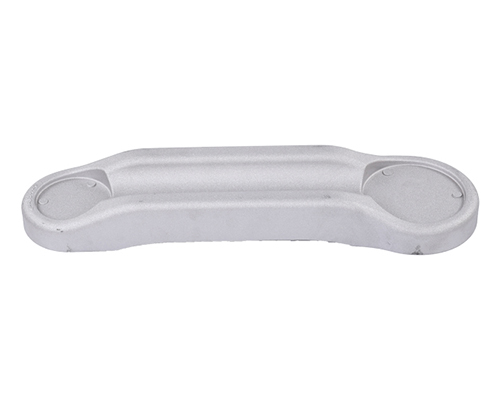
Industrial Robotics
View Solution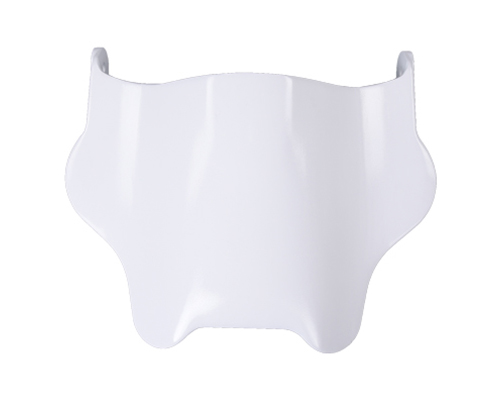
Medical Equipment
View Solution
Semiconductor Equipment
View Solution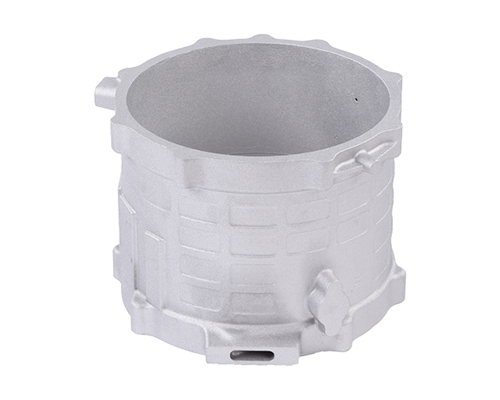
Renewable Energy
View Solution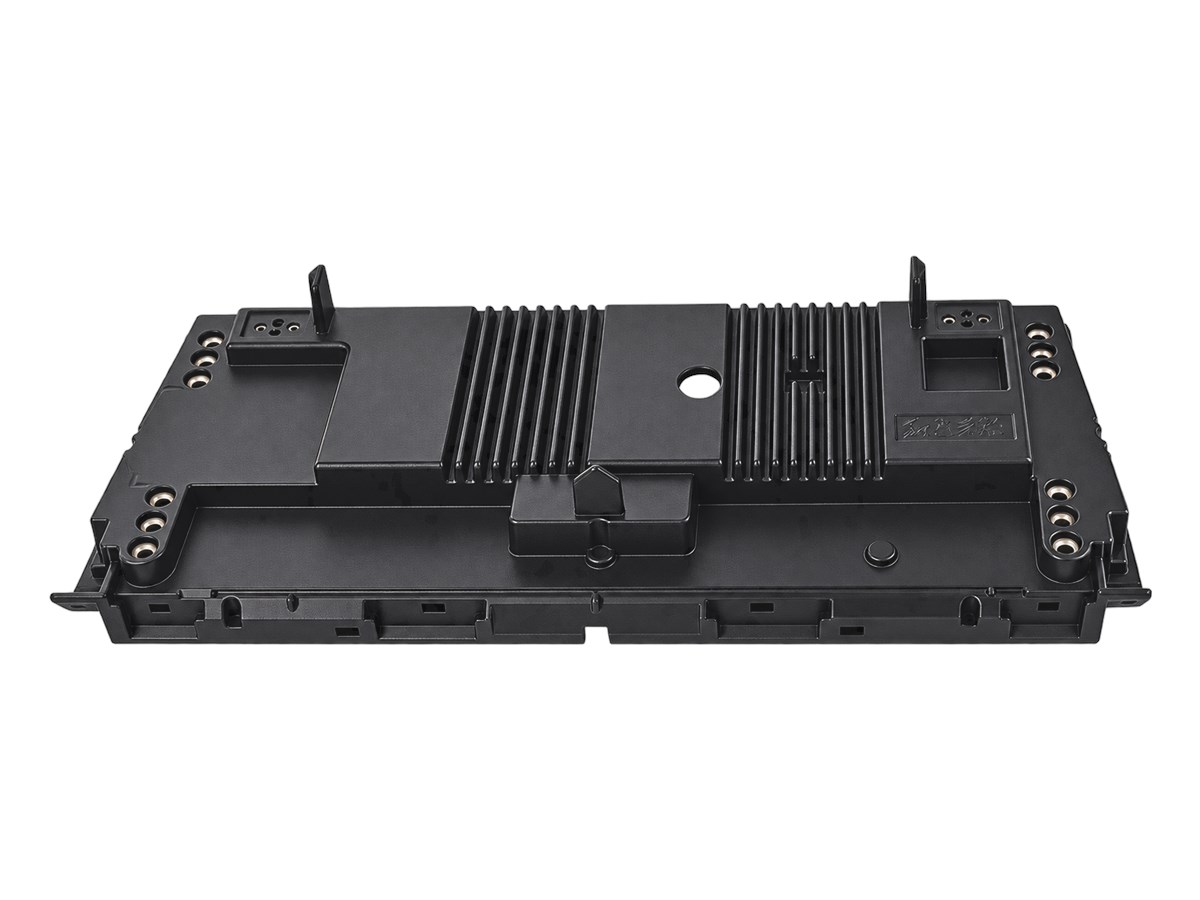
Electrical & Power Systems
View Solution
Industrial Equipment
View Solution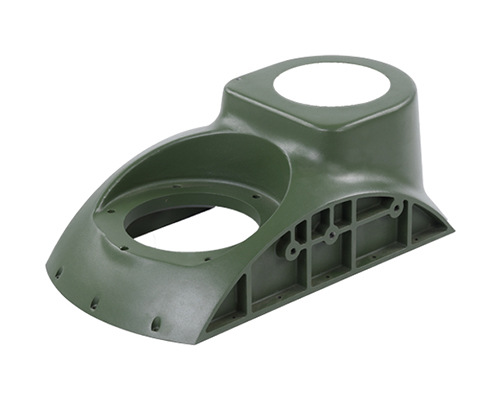
Defense & Aerospace
View Solution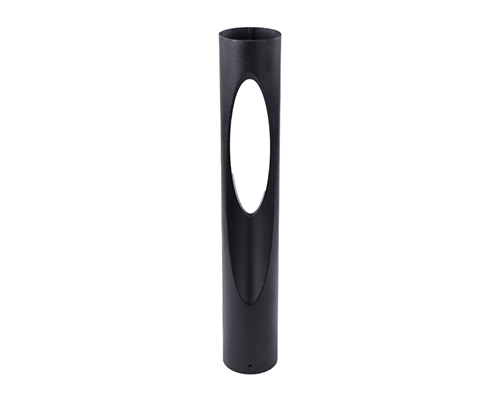
Lighting
View Solution
Printing Equipment
View SolutionManufacturing Process
Nine controlled stages connect drawing review, manufacturing, inspection and delivery. Select a step to explore the process.
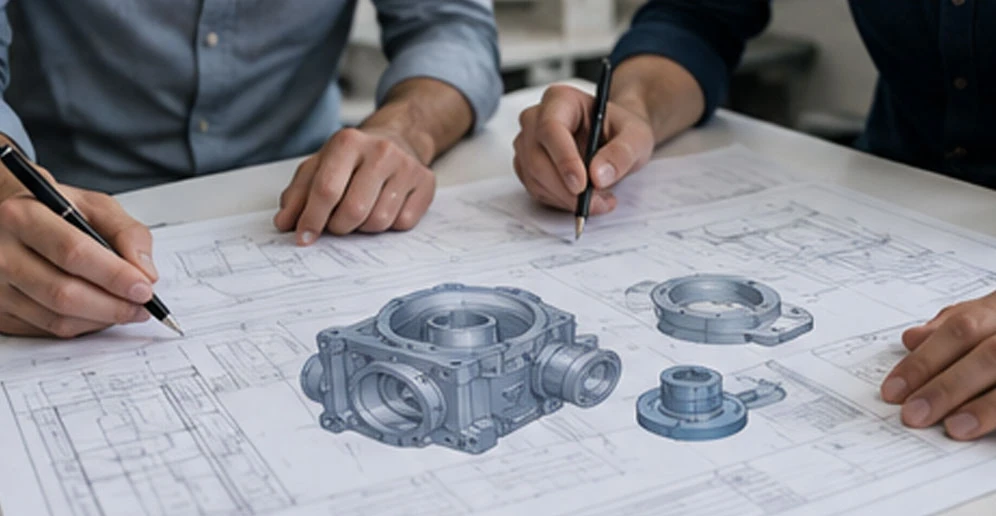
Submit Drawings
Send the available project package so the engineering team can understand the component, application, and production requirements.
- Drawing package: 2D drawings, 3D models, and current revisions.
- Project requirements: Target quantity, material expectations, finish, and delivery needs.
- Critical characteristics: Identify important dimensions, interfaces, and application conditions.
Engineering Review
Engineering reviews the component geometry and project information before confirming the proposed production process.
- Geometry review: Check part structure, wall transitions, interfaces, and machining areas.
- Process selection: Match casting, tooling, and machining methods to the component.
- Requirement alignment: Confirm priorities for quality, quantity, documentation, and delivery.
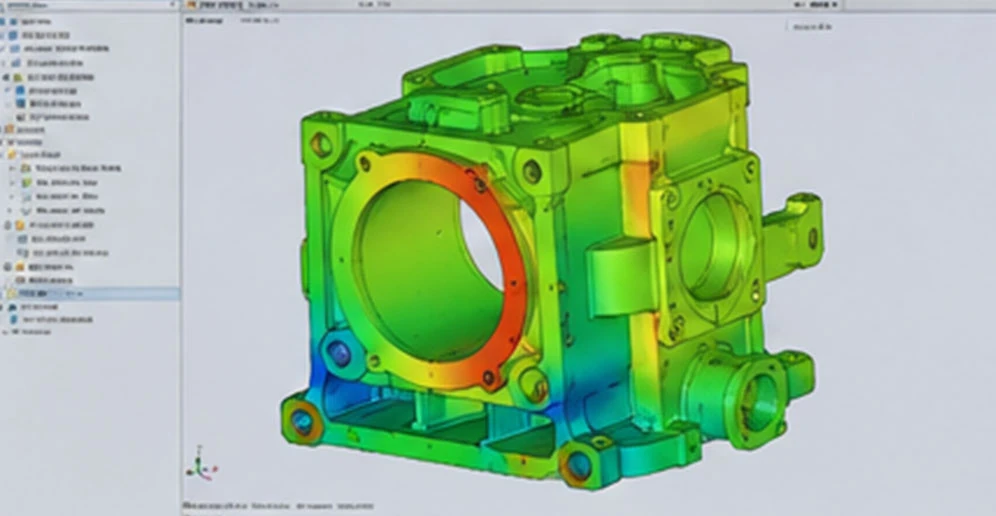
DFM Feedback
Manufacturability feedback is discussed before tooling release to reduce avoidable production risk and clarify open decisions.
- Casting analysis: Review filling behavior, shrinkage risk, and process feasibility.
- Design optimization: Evaluate draft, radii, wall transitions, and access for machining.
- Production planning: Define machining allowance, inspection points, and trial objectives.
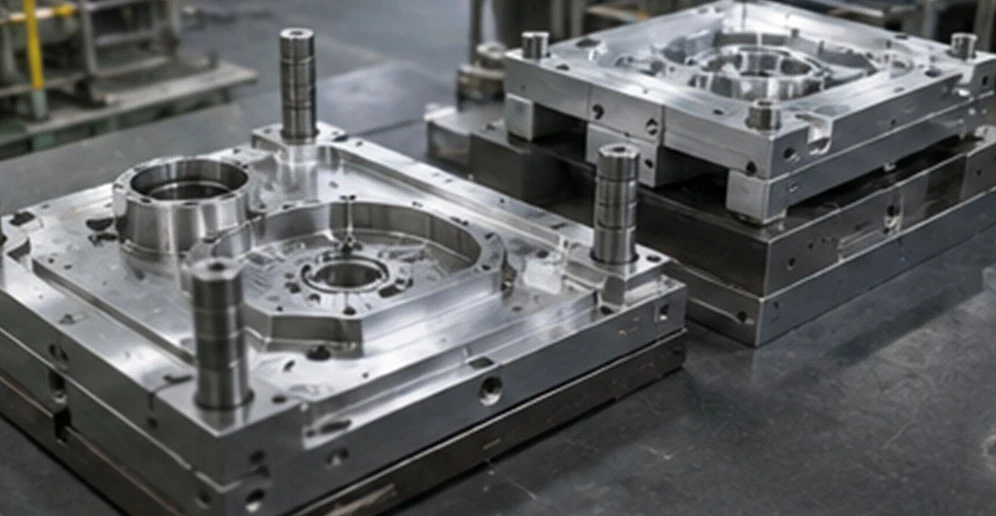
Tooling
Approved tooling is manufactured and prepared around the selected casting process and confirmed component requirements.
- Tool design: Translate the approved DFM plan into production tooling details.
- Tool manufacture: Machine, assemble, and check the mold and supporting fixtures.
- Trial preparation: Confirm the trial plan, control points, and sample review criteria.

Casting
We offer three mainstream casting processes: gravity casting, low‑pressure casting and sand casting.
- Material preparation: Prepare and verify the alloy for the planned production run.
- Process control: Maintain the selected casting sequence and defined operating conditions.
- Initial verification: Review trial or first-production parts before the next operation.

Machining
Key surfaces, bores, interfaces, and assembly features are machined according to the approved drawing.
- Datum control: Establish repeatable positioning through suitable fixtures and references.
- Feature machining: Produce critical holes, faces, threads, and connection interfaces.
- Process checks: Monitor important dimensions before parts move to final inspection.
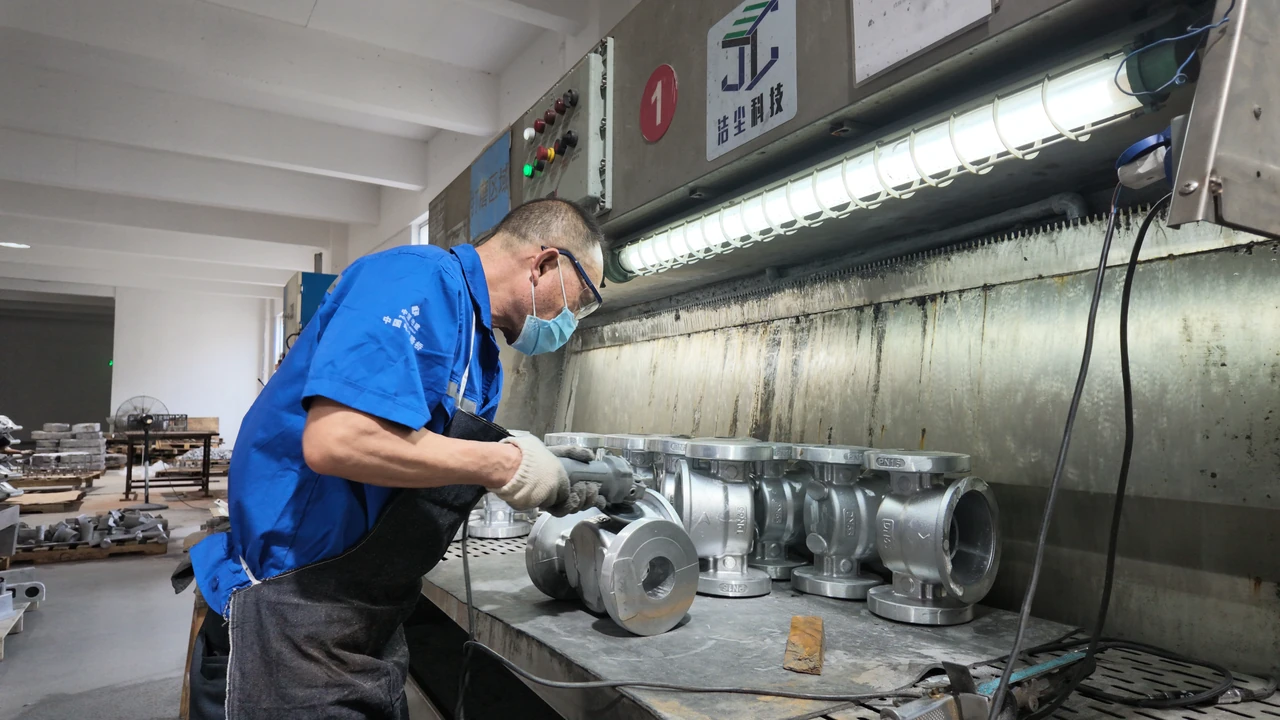
Surface Treatment
After precision machining, parts receive the specified surface preparation and protective finish.
- Surface preparation: Parts are cleaned and prepared before the specified finishing process.
- Finishing processes: Grinding, polishing, shot blasting, anodizing, or powder coating are applied as required.
- Finish verification: Appearance, coating condition, and protected surfaces are checked before final inspection.

Finished Product Quality Inspection
Finished products are verified against the drawing and agreed inspection plan before release.
- Dimensional inspection: Critical dimensions, interfaces, and machining results are measured.
- Nondestructive testing: X-ray inspection is applied when required to check internal casting quality.
- Leak testing and records: Air-tightness tests and final inspection records are completed as required.

Delivery
Released parts are organized for protective packaging and coordinated delivery according to the project arrangement.
- Final release: Confirm inspection status, quantities, and required project records.
- Protective packaging: Select packing that helps protect machined and finished surfaces.
- Shipment coordination: Align labeling, documentation, and delivery details with the customer.
Quality Control Through Every Production Stage
Material verification, first-article approval, in-process dimensional checks, surface inspection, final measurement, and traceable records protect quality throughout production.
01
Material Verification
02
Pre-Production Confirmation
03
First Article Inspection
04
In-Process Dimensional Checks
05
Surface and Appearance Inspection
06
Final Inspection and Documentation
Advanced Quality Laboratory
Comprehensive Inspection Capabilities
CMM dimensional and tolerance verification, alloy composition analysis, X-ray non-destructive testing, surface roughness, metallography, tensile testing, and conductivity checks provide documented control of material chemistry, internal casting defects, critical dimensions, and mechanical performance.
Qualifications and Certifications
Integrated Standardized Quality Control System
✅ ISO9001 General Quality Management System: Establishing a foundational framework for end-to-end quality management.
✅ IATF16949 Automotive Quality Management System: Implementing the five core tools—APQP, PPAP, FMEA, SPC, and MSA.
✅ AAA-rated Measurement Management System: Ensuring the accuracy and traceability of measurement data.
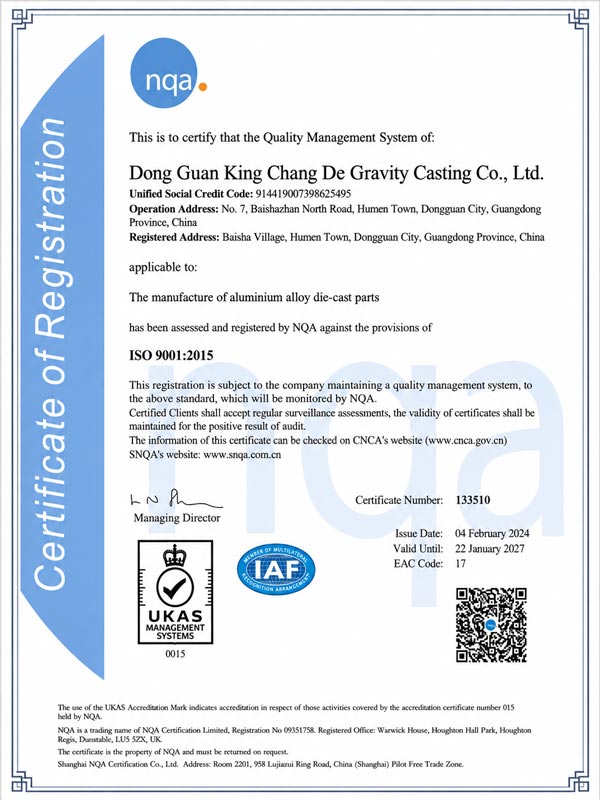
ISO 9001:2015

IATF 16949:2016
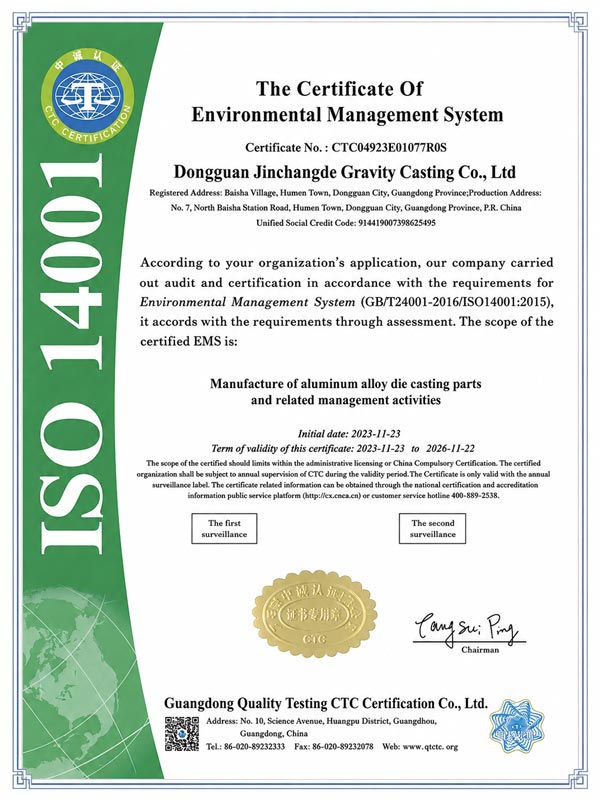
ISO 14001 Environmental Management

AAA Measurement Management System
Selected Aluminum
Component Programs
Four application-focused programs show how engineering, casting, heat treatment, machining, finishing, and inspection work together in production.
View All Case Studies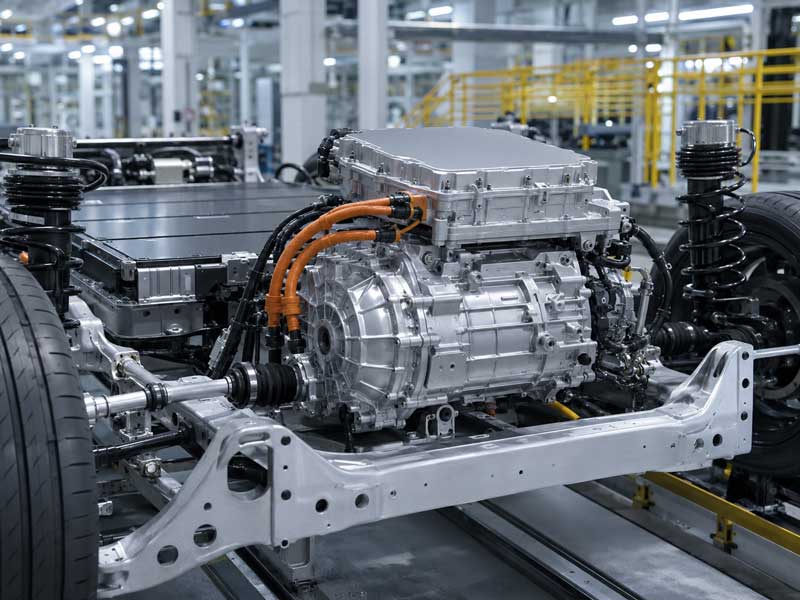
Electric Vehicles · A356.2-T6
800V Electric Vehicle Drive Motor Housing
- Challenge
- Thin-wall geometry, cooling-channel leak tightness, and machining distortion under high-speed, high-temperature loads.
- Our Solution
- DFM optimization + gravity casting + T6 heat treatment + precision CNC machining + dimensional and leak testing.
- Result
- 18% lower weight, 20% less machining stock, 99.8% critical-dimension conformity, and production yield above 99.5%.

Telecommunications · ZL116
Outdoor 5G Base Station Aluminum Structures
- Challenge
- Lightweight load-bearing structures exposed to salt spray, humidity, wind, temperature cycling, and long service periods.
- Our Solution
- DFM and rib optimization + dedicated tooling + gravity casting + T4/T5/T6 heat treatment + protective finishing + CNC.
- Result
- Dense castings, stable mounting dimensions, verified static-load performance, and dependable mass production.

Industrial Robotics · A356
Precision Aluminum Structures for Industrial Robots
- Challenge
- Wall-thickness variation, shrinkage, residual-stress distortion, and tight tolerances for repeatable high-frequency motion.
- Our Solution
- Directional-solidification tooling + melt refining + stress-relief aging + optimized machining allowance + CNC and NDT.
- Result
- Controlled deformation, precise assembly tolerances, stable yield, and reliable rigidity in volume production.
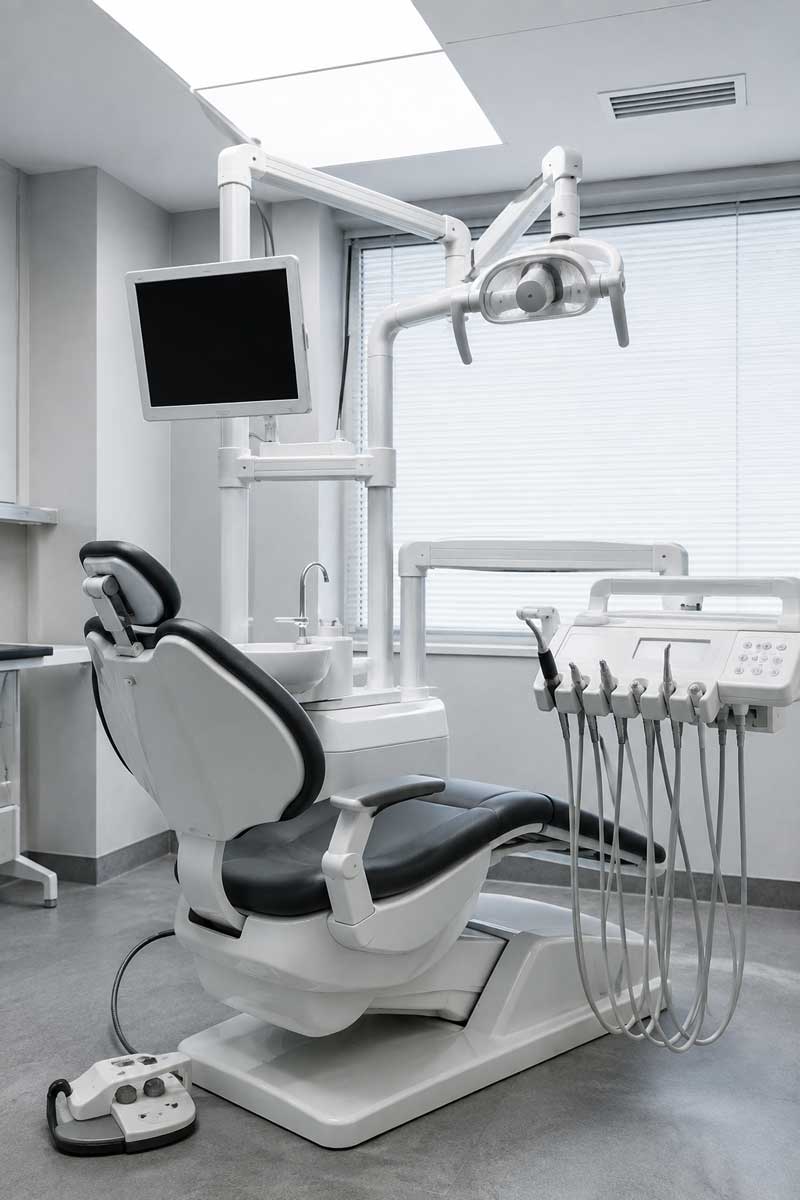
Dental Equipment · A356.2 / ZL106
Aluminum Structures for Dental Treatment Equipment
- Challenge
- Complex thin walls, machining distortion, humid sterilization environments, and medical-grade safety and appearance requirements.
- Our Solution
- DFM and runner optimization + gravity casting + stress-relief aging + CNC + corrosion-resistant finishing + X-Ray and CMM.
- Result
- Stable dimensions and assembly, improved corrosion durability, fewer defects and rework, and reliable mass production.
01 / 04
Engineering and Manufacturing Partnership
Talk to our engineering team about your next project. Send your drawing, material, quantity, tolerance, finish, and delivery requirements for review.
- Part drawing or 3D file
- Material requirement
- Estimated quantity
- Critical dimensions and inspection needs
- Surface finish and delivery requirements
Engineering contact: [email protected]
Request an Engineering Review
Share your drawings and project requirements with our engineering team.
Email: [email protected]