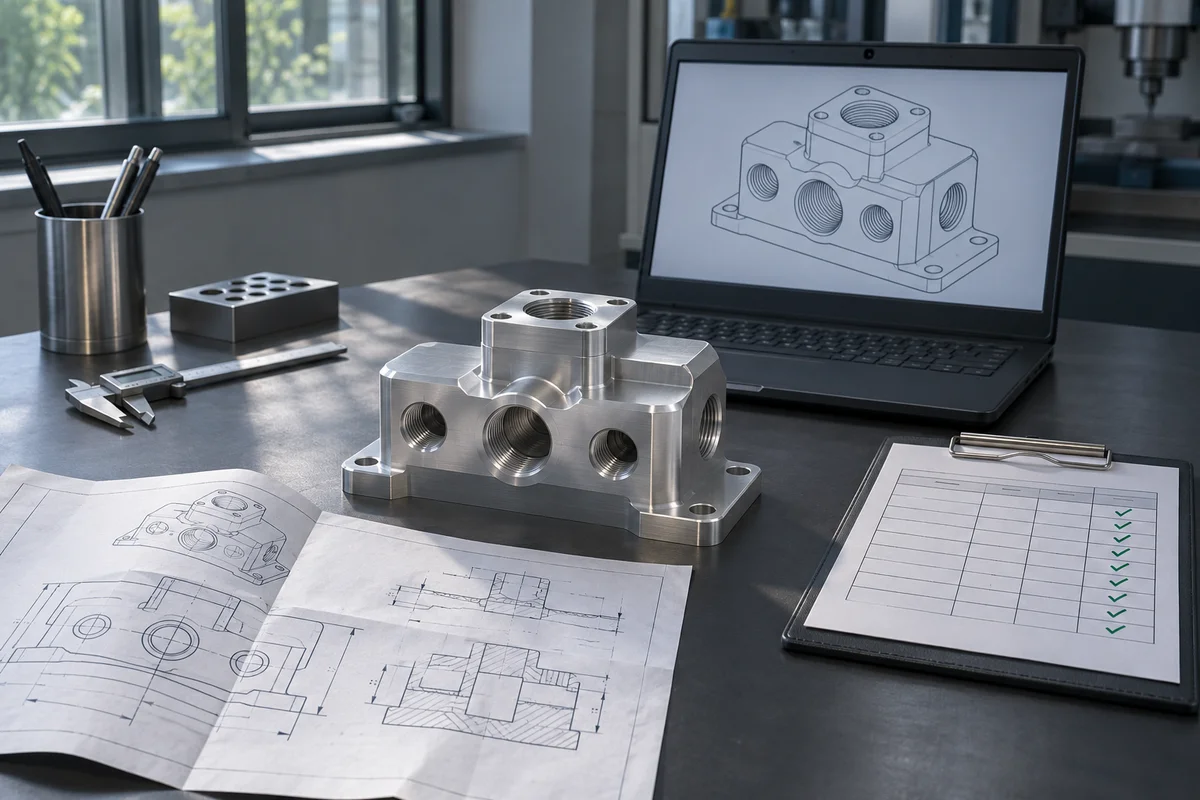
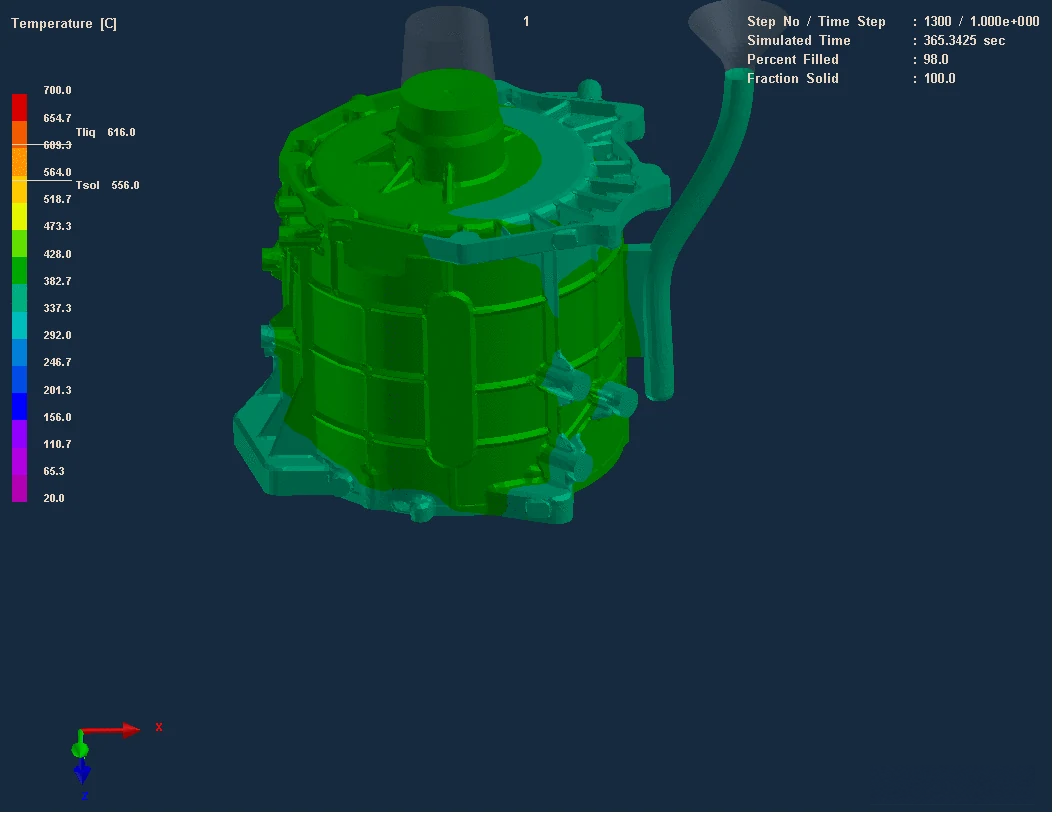
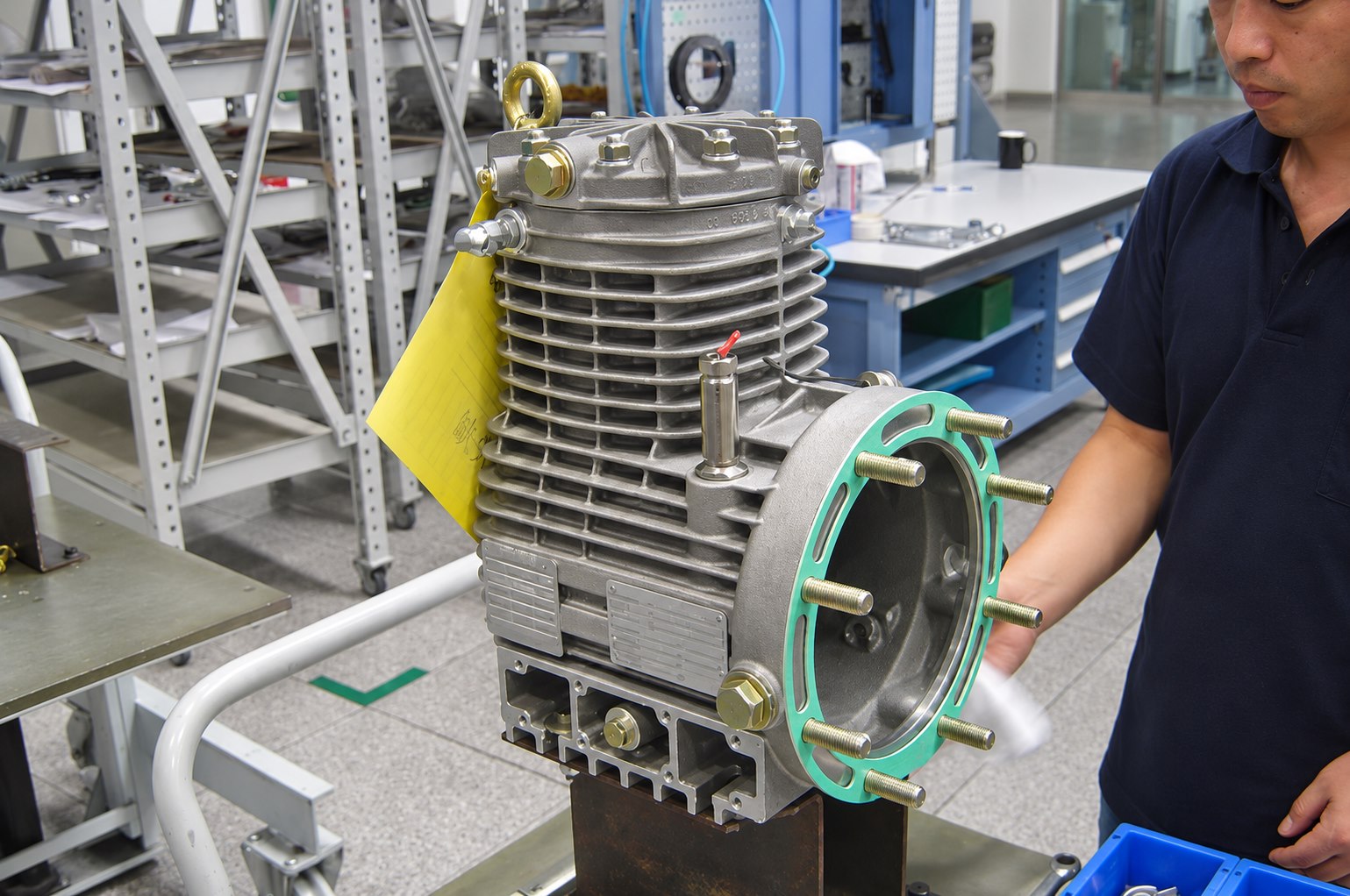
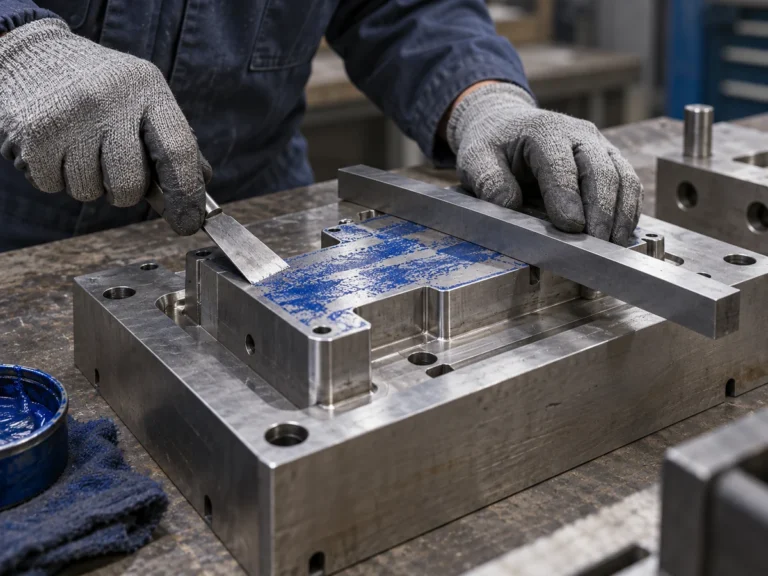
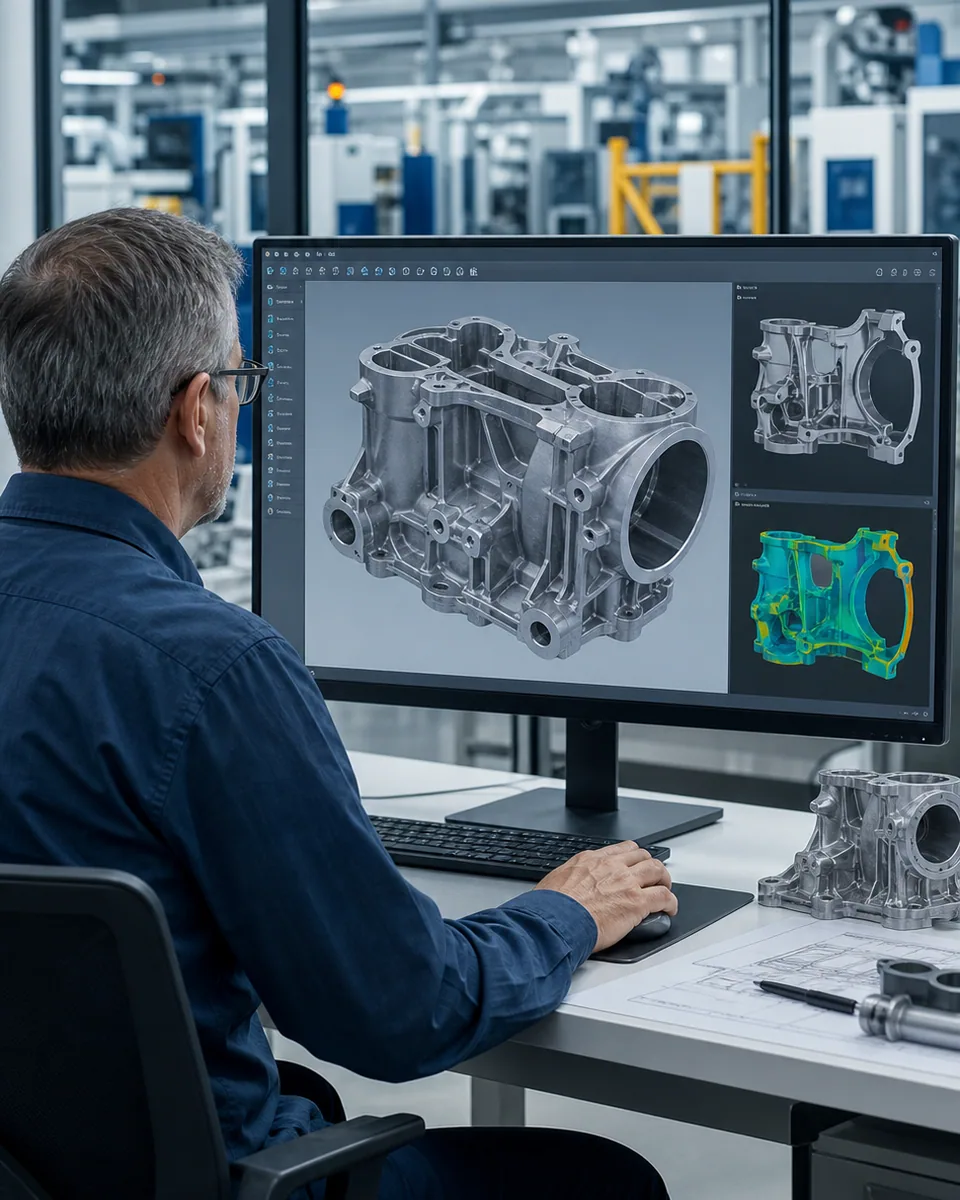
Our engineering team uses an integrated CAD–CAE–CAM digital engineering system for drawing analysis, 3D structural design, casting simulation, and machining-process planning.
The engineering review covers casting, CNC machining, treatment, inspection, assembly, and delivery requirements.
New Product Launch
Translate early CAD data and performance targets into a practical casting and machining process.
Design Optimization
Reduce avoidable weight, tooling complexity, machining time, and defect risk before release.
Reverse Engineering
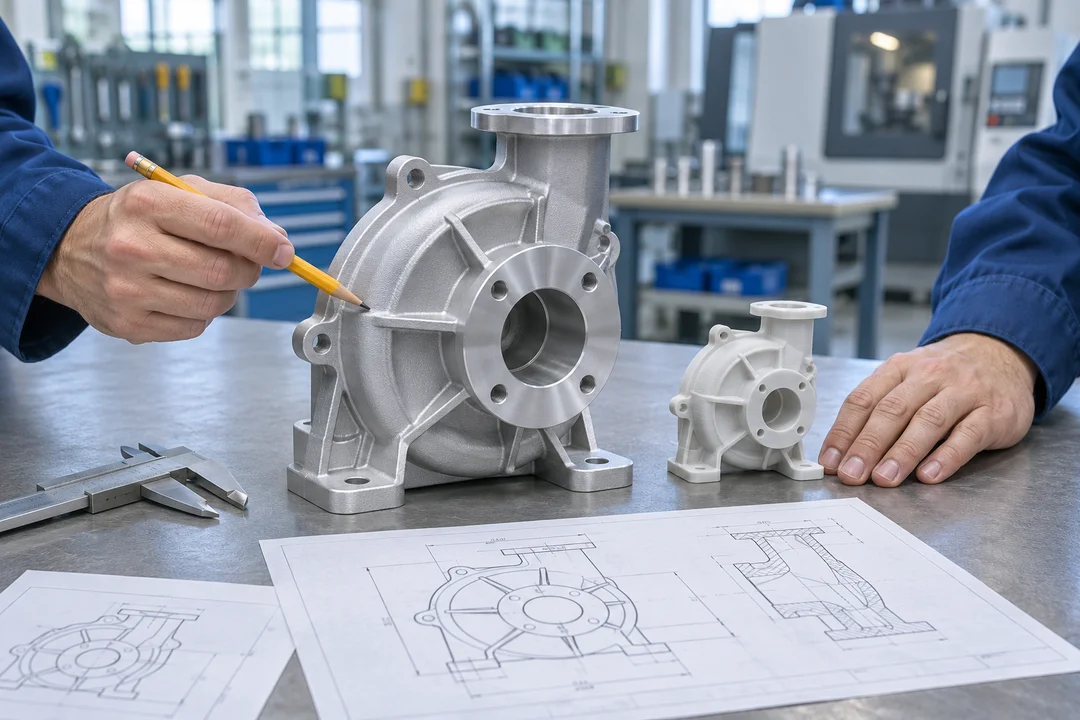
Rebuild production-ready geometry from samples, scans, drawings, and functional references.
Process Improvement
Investigate recurring defects or instability and define corrective actions across the process.
Technical Information
Engineering Inputs and Deliverables
We can begin with a released drawing, an early model, or a physical sample. The engineering output is structured around the decisions required for stable production.
Material Guidance — Match A356, A357, A380, ADC12, ZL101, and related alloys to strength, sealing, finishing, and cost targets.
Casting Strategy
Process selection / Simulation & tooling input
Process Selection — Compare gravity, low-pressure, sand, and 3D-printed sand casting against geometry, quantity, and performance.
Simulation & Tooling Input — Define gating, feeding, venting, cooling, and high-risk areas before the mold design is frozen.
Production Readiness
Machining strategy / Prototype Development
Machining Strategy — Plan datums, clamping, stock allowance, critical features, inspection access, and process sequence.
Prototype Development — Support physical samples and prototype validation for appearance, assembly dimensions, structural feasibility, and casting-process feasibility.
Manufacturing Process
Engineering Review Process
Seven connected steps align the component design, production process, technical risks, and approval.
01
Input Check
Confirm CAD, drawings, material, quantity, performance, finish, and delivery expectations.
02
3D Model Review
Evaluate structure, datums, draft, wall transitions, interfaces, and critical characteristics.
03
Casting Analysis
Assess filling, feeding, shrinkage, porosity, deformation, and tooling implications.
04
Full-Process Review
Connect casting, heat treatment, machining, finishing, inspection, and assembly.
05
Risk Classification
Separate critical, controllable, and improvement items with recommended actions.
06
DFM Report
Return visual findings, process recommendations, and any requested design changes.
07
Technical Approval
Align the agreed process before prototype, tooling, or production release.
Quality Control
Engineering Validation
The technical plan becomes the shared reference for tooling, production, machining, quality, and delivery teams.
CTQ definition
Critical-to-quality features and functional interfaces are identified early.
Validation planning
Prototype, first-article, dimensional, material, and functional checks are aligned to risk.
Change control
Approved technical changes are tracked before they affect tooling or production.
Launch feedback
Trial and production results feed back into parameters, tooling, and inspection standards.
Connected Services
Related Manufacturing Services
Use one capability as a defined project stage, or combine services under one engineering, quality, and delivery owner.
Send the available 2D or 3D data, target alloy, quantity, critical tolerances, performance requirements, finish, and expected timeline. A sample can also be used for reverse-engineering projects.
Can you review an early-stage design?
Yes. Early involvement is often the best point to improve wall transitions, draft, datums, machining access, sealing features, and the overall manufacturing process.
Do you support prototypes before mold investment?
Yes. Depending on geometry and validation goals, the process may use 3D printing, simplified tooling, sand casting, machining, or a combination of methods.
Can the engineering team support PPAP?
Yes. FAI, dimensional reports, material documentation, and PPAP-related deliverables can be included when defined at project review.
Your Next Manufacturing Project
Request an Engineering Review
Share available CAD data, drawings or samples, alloy, quantity, critical tolerances, performance, finish, inspection, and target timeline. The team will recommend a practical process.
NDA-supported review · Flexible production quantities · Integrated engineering and quality supportRequest a Quote

 New Product Launch
 Design Optimization
 Reverse Engineering
 Process Improvement