Engineering-driven aluminum casting and precision manufacturing solutions

Category Aluminum Casting
Gravity casting processes, melt treatment, defect prevention, and production control for reliable aluminum castings.
Solid vs Hollow Sand Cores How to Choose the Right Core Design for Sand Casting

Sand cores play a critical role in sand casting by forming internal cavities, holes, and other complex features that cannot be created directly by the mold. The design and quality of a sand.
The Role of Sand Cores in Complex Aluminum Gravity Die Castings
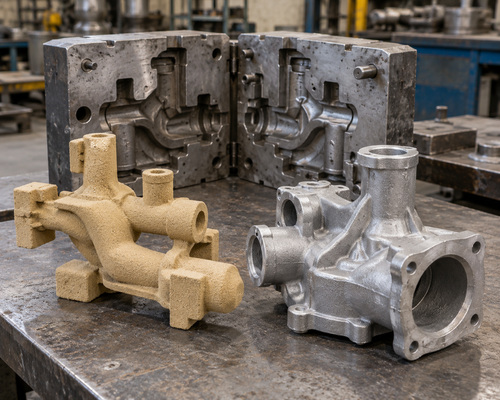
Gravity die casting is widely used to produce high-quality aluminum components with excellent dimensional accuracy and mechanical properties. However, when a casting includes internal.
Preventing Sand Inclusion Defects in Aluminum Gravity Casting
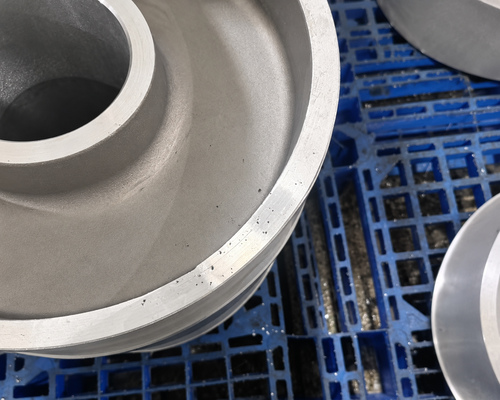
Sand inclusion is one of the most common defects in aluminum gravity casting. It can reduce casting density, compromise pressure tightness, and affect the mechanical strength and service.
Shrinkage Defects in Gravity Die Casting Aluminum Parts Causes and Control Methods

Shrinkage cavities and shrinkage porosity are among the most common internal defects found in gravity die cast aluminum parts. These defects are most likely to occur in thermal hot spots.
Misrun Defects in Aluminum Gravity Casting Causes and Prevention
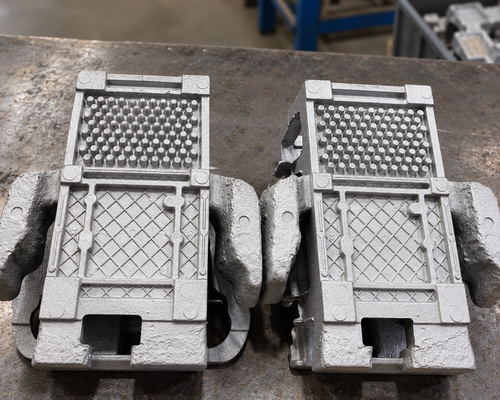
A misrun defect is one of the most common quality issues in aluminum gravity casting. It occurs when molten aluminum fails to completely fill the mold cavity, resulting in incomplete edges.
Porosity Control in Aluminum Alloy Gravity Casting

Porosity is one of the most common internal defects in aluminum gravity casting. It typically appears as fine surface pinholes or smooth spherical voids within the casting. These defects.
Heat Treatment Distortion in Aluminum Gravity Castings Causes and Prevention

Heat treatment is an essential process for improving the mechanical properties of aluminum gravity castings. However, castings with complex geometries or uneven wall thicknesses are more.
Aluminum Melt Degassing in Gravity Die Casting Common Problems and Solutions
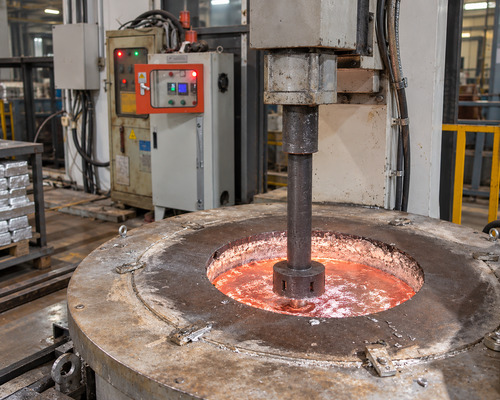
Degassing is one of the most important steps in the gravity die casting process. Its primary purpose is to remove dissolved hydrogen from molten aluminum, reducing the risk of gas-related.
Common Surface Defects in Aluminum Gravity Castings and How to Prevent Them
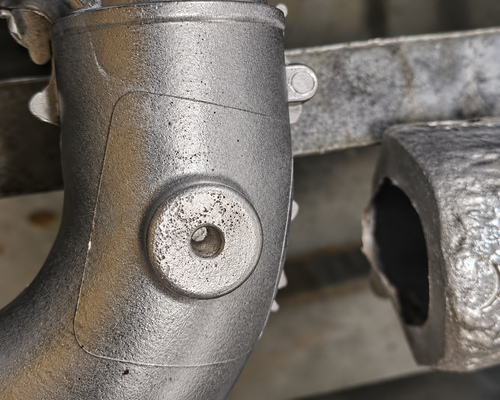
The surface quality of an aluminum gravity casting affects more than just its appearance. It also influences subsequent machining, coating, anodizing, and other surface finishing processes..
Aluminum Low Pressure Die Casting Advantages Applications and Manufacturing Solutions

With the growing demand for lightweight, high-strength, and reliable components in industries such as electric vehicles, industrial equipment, automation, and communication systems.
Multi-Stage Pressure Control in Low Pressure Aluminum Casting
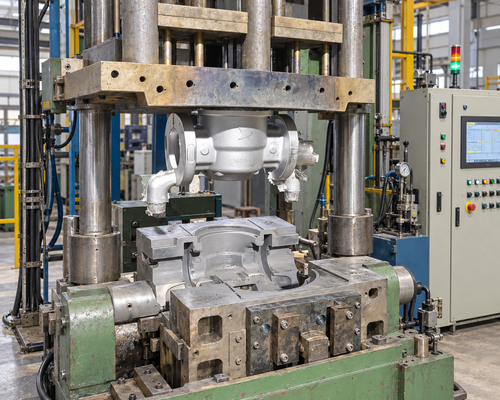
Low pressure die casting (LPDC) uses controlled air pressure to push molten aluminum upward through a riser tube and into the mold cavity. For aluminum castings, the pressure curve is a.
The Role of Flux in Aluminum Alloy Melting
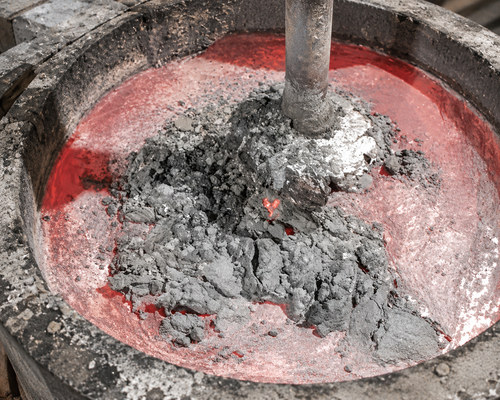
The cleanliness of molten aluminum plays a critical role in the quality of aluminum gravity castings. Flux is an essential refining material used during the melting process to remove oxide.