Engineering-driven aluminum casting and precision manufacturing solutions

Sand Casting
Expendable sand molds support large aluminum components, complex cores, custom machinery, prototypes, and low-volume programs without permanent metal tooling.
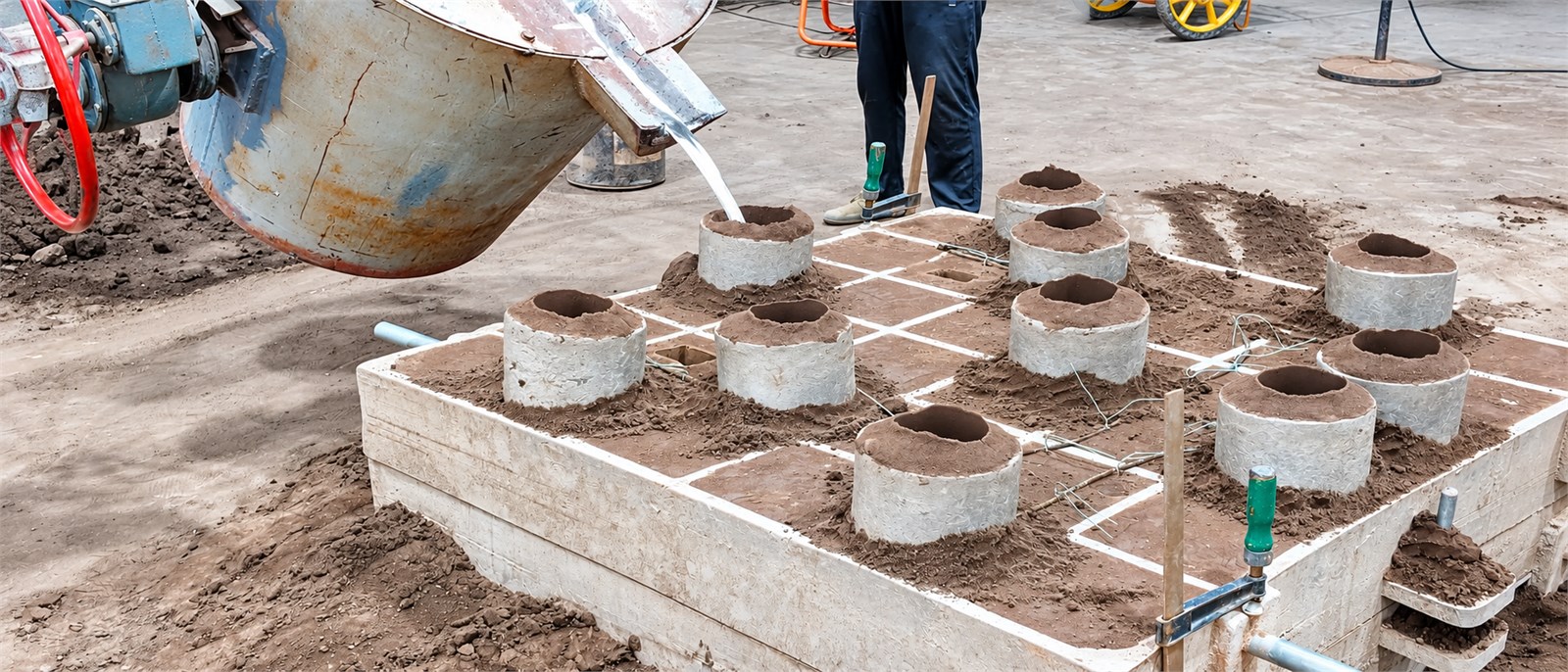
Mold and Core Process
Pattern to Casting
Component Size
Large Components
Core Geometry
Complex Cores
Production Volume
Low-Volume Ready
Casting Method
Process Overview
A pattern forms an expendable sand mold. Cores create internal geometry before molten aluminum is poured, cooled, and removed during shakeout. The process is especially useful for large parts, complex internal structures, prototypes, and custom production.
This process is considered for large machine components, equipment bases, industrial housings, structural frames, and parts where permanent metal tooling is not economical.
Large Machined Aluminum Frame
Casting allowances and machining datums are coordinated before pouring so the final structure can be completed efficiently.
-
01
Pattern Preparation
Part geometry, pattern, allowances, and the mold strategy are prepared from released engineering data.
-
02
Molding
Sand is formed and compacted around the pattern to create the mold cavity.
-
03
Core Making
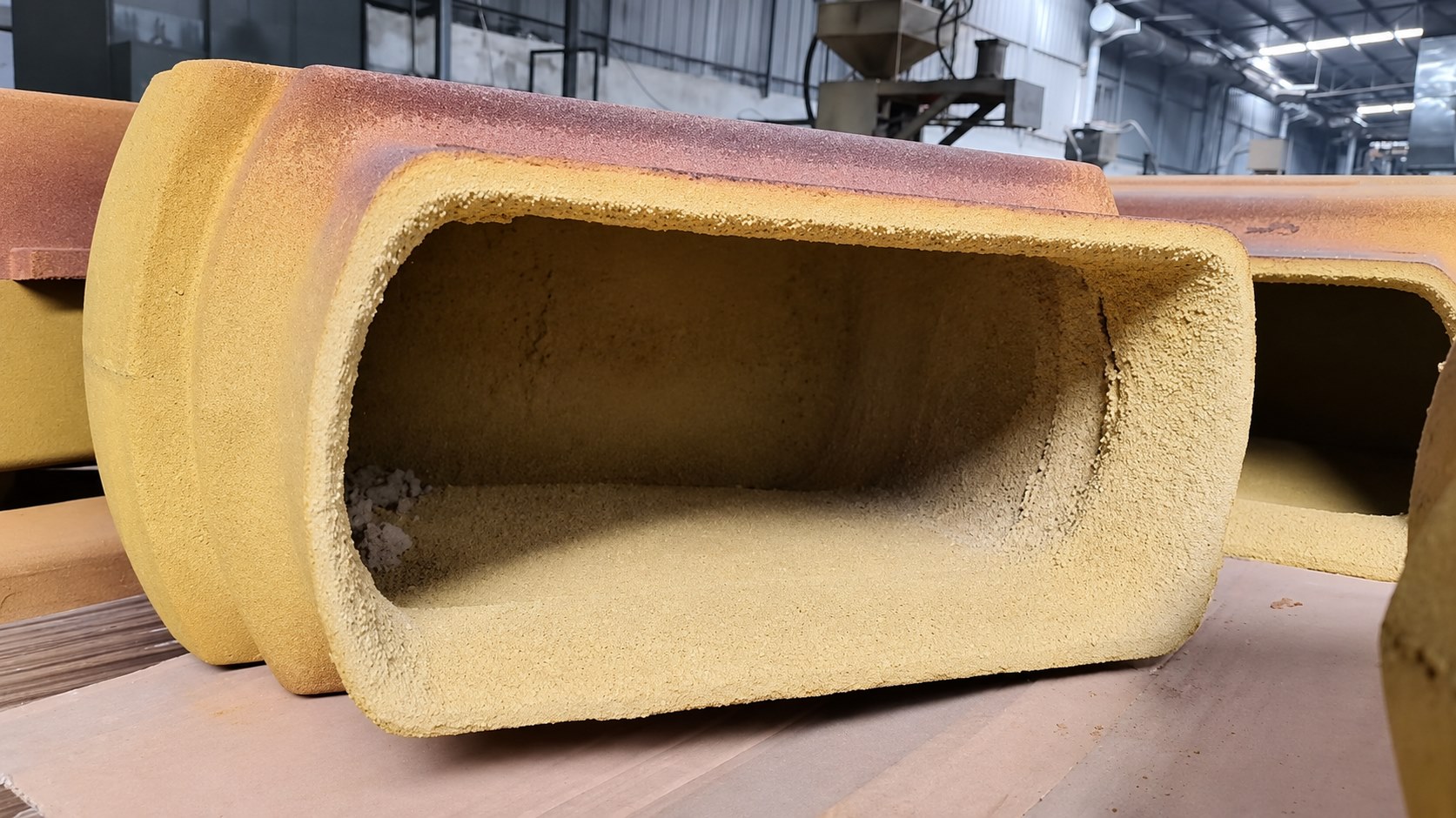
Cores are produced for internal passages, undercuts, and enclosed features.
-
04
Mold Assembly
Cores, mold halves, gating, risers, and supports are assembled and checked.
-
05
Pouring
Prepared aluminum is transferred and poured through the released gating system.
-
06
Cooling and Cleaning
The casting cools before the mold is broken away and residual sand is removed.
Component Applications
Typical Cast Components
Typical components are shown below. Final feasibility remains subject to drawing and process review.
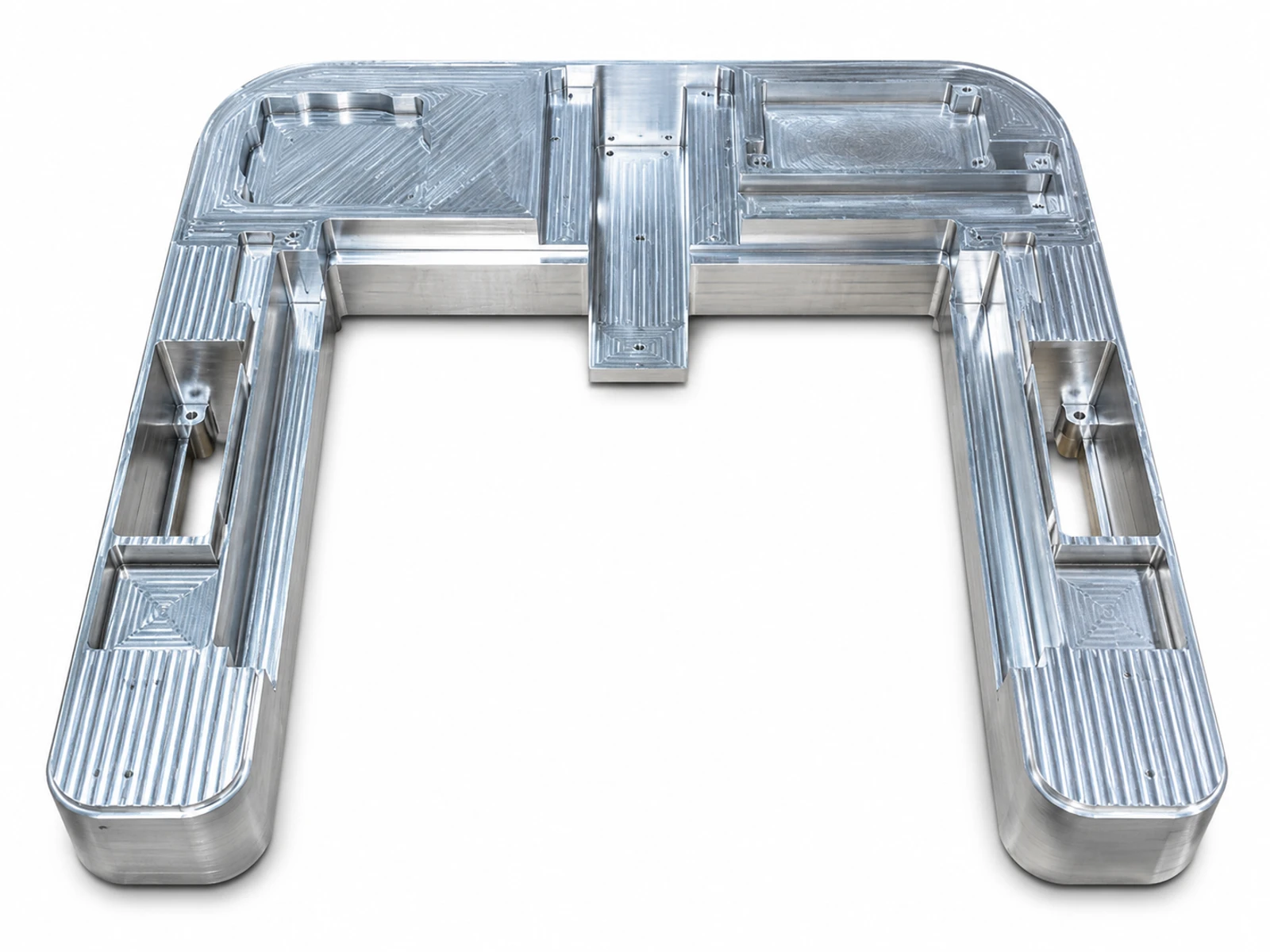
Large gantry structures, machine frames, and heavy equipment components with planned machining.
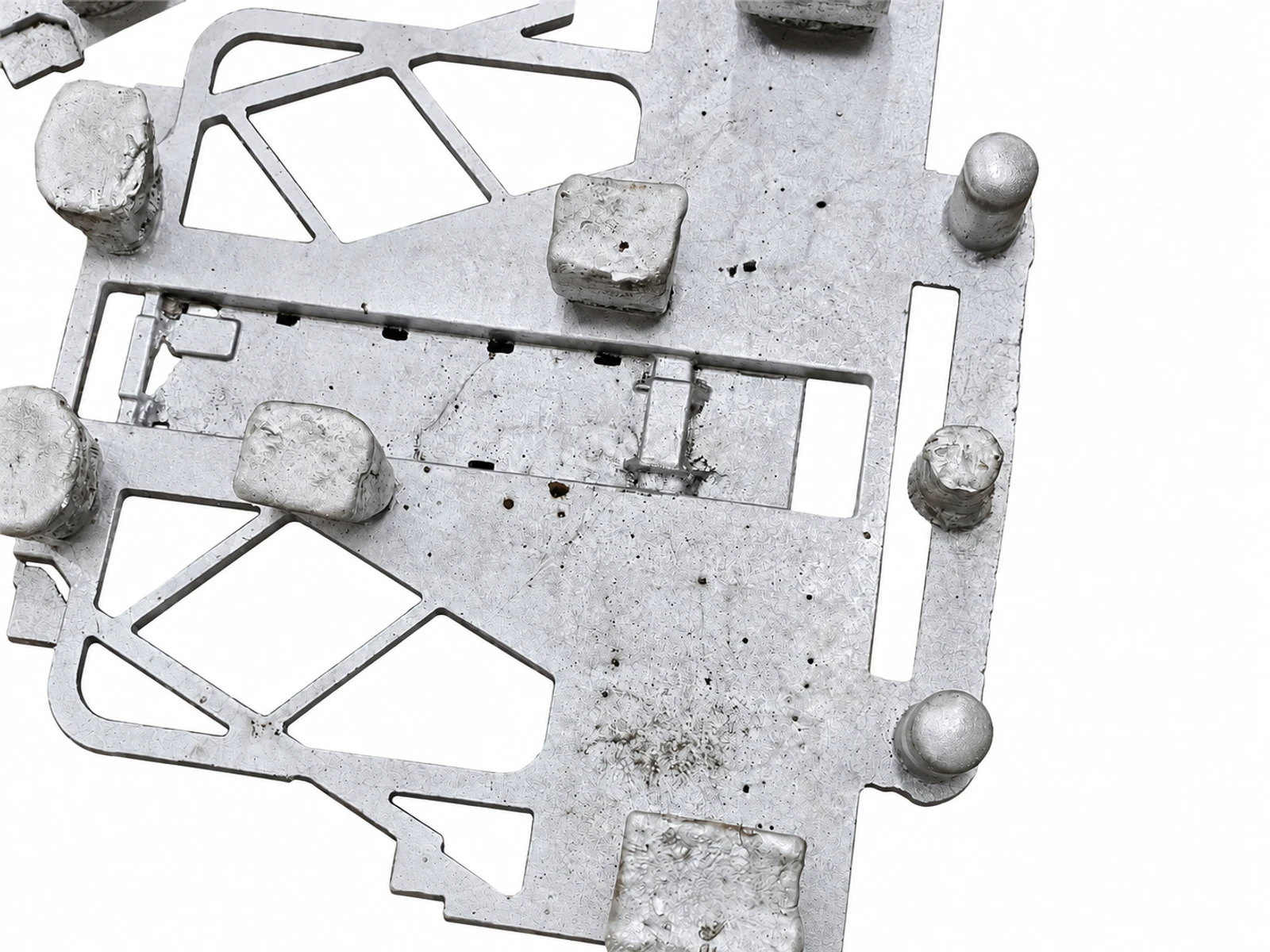
Custom bases, housings, and industrial structures for short-run or specialized programs.
Process Selection
Process Advantages and Limitations
Process selection depends on part geometry, program volume, tooling strategy, quality requirements, and the complete downstream process.
Advantages
-
01
Lower Tooling Commitment
Patterns and sand molds reduce permanent tooling investment for large, custom, or changing geometry.
-
02
Large and Complex Parts
The process supports substantial part size, broad geometry, and complex internal passages with cores.
-
03
Prototype and Low Volume
Programs can move from development to short-run production without high-volume tooling economics.
Engineering Constraints
-
01
Surface Finish
As-cast surfaces are rougher than reusable metal mold processes and may require machining or finishing.
-
02
Dimensional Allowance
Tolerances and repeatability are broader, so machining stock and datum strategy must be planned.
-
03
Cleanup Requirements
Shakeout, sand removal, gate cutting, grinding, heat treatment, and verification are part of the process.
Production Sequence
Manufacturing Process
The production sequence connects engineering, tooling, casting, machining and final release.
01
Engineering and Tooling
Pattern Preparation / Molding / Core Making
Pattern Preparation
Part geometry, pattern, allowances, and the mold strategy are prepared from released engineering data.
Molding
Sand is formed and compacted around the pattern to create the mold cavity.
Core Making
Cores are produced for internal passages, undercuts, and enclosed features.
02
Casting and Processing
Mold Assembly / Pouring / Cooling and Shakeout
Mold Assembly
Cores, mold halves, gating, risers, and supports are assembled and checked.
Pouring
Prepared aluminum is transferred and poured through the released gating system.
Cooling and Shakeout
The casting cools before the mold is broken away and residual sand is removed.
03
Final Processing and Release
Post-Casting Processing / CNC and Inspection
Post-Casting Processing
Gates, risers, and flash are removed before heat treatment, cleaning, and surface processing.
CNC and Inspection
Machining completes critical features before dimensional, material, and internal-quality verification.
Equipment and Capability
Production Equipment
Equipment, envelope, alloy, and control plans are matched to part requirements rather than treated as fixed catalog choices.
Compare Casting Methods
Explore Casting Processes
Compare the five core processes or return to the Aluminum Casting overview for process selection support.
Current Process Sand Casting
Your Next Manufacturing Project
Request an Engineering Review
Share available CAD data, drawings or samples, alloy, quantity, critical tolerances, performance, finish, inspection, and target timeline. The team will recommend a practical process.