Engineering-driven aluminum casting and precision manufacturing solutions

High-Pressure Aluminum Casting
High-speed filling and controlled pressure support thin-wall aluminum housings, integrated features, repeat geometry, and efficient volume production.

Common Alloys
A380 ADC12 A413
Production
Automated Cells
Part Geometry
Thin-Wall Geometry
Process Support
Full Process
Casting Method
Process Overview
Molten aluminum is injected into a reusable steel mold at high speed and held under pressure during solidification. The process supports fast cycles, repeat geometry, thin walls, and integrated features when part and mold design are developed together.
This process is reviewed for electric-vehicle housings, battery supports, valve bodies, transmission structures, pump bodies, electronics enclosures, robotic assemblies, and medical-equipment housings.
Automated Production Cell
Casting, extraction, trimming, handling, and downstream control are integrated around repeat production.
Component Applications
Typical Cast Components
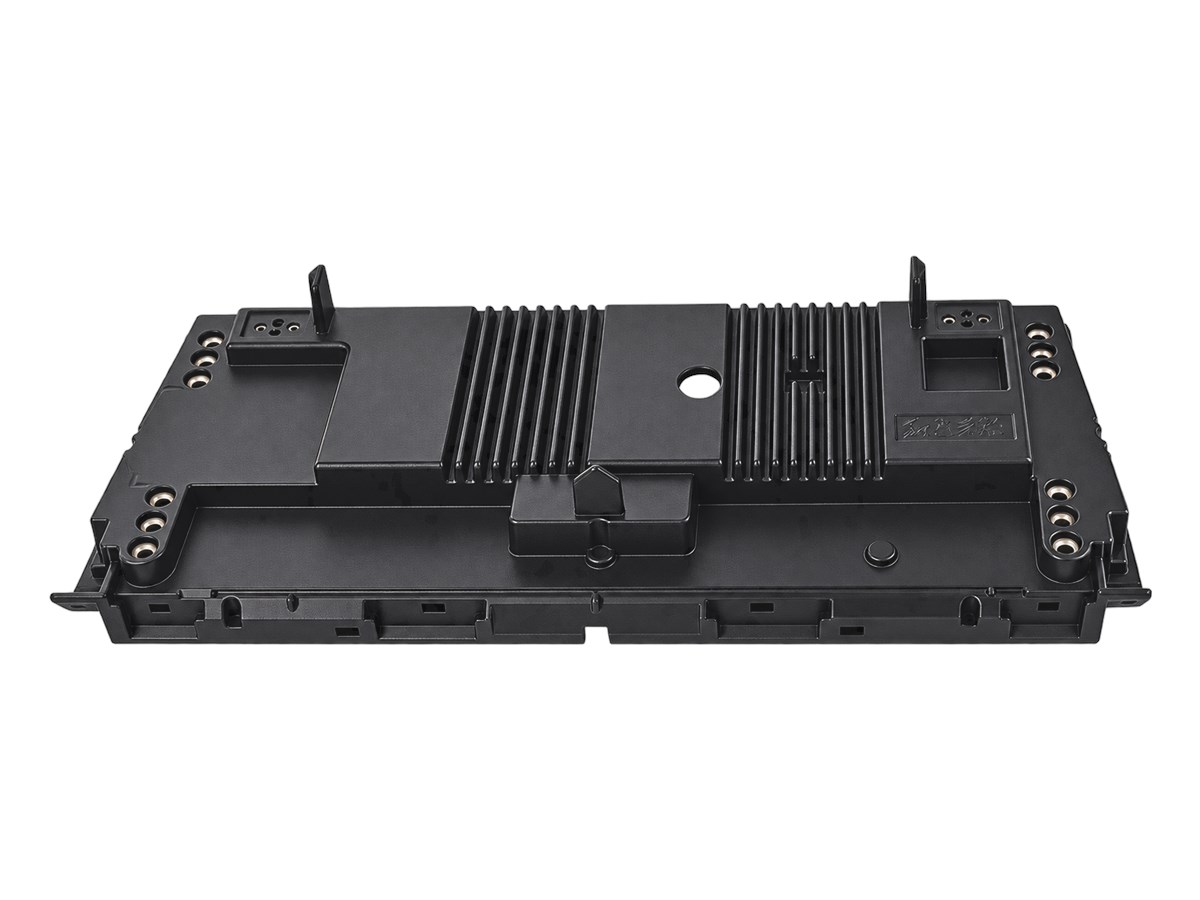
Typical components are shown below. Final feasibility remains subject to drawing and process review.




Process Selection
Process Advantages and Limitations
Process selection depends on part geometry, program volume, tooling strategy, quality requirements, and the complete downstream process.
Advantages
-
01
High Production Efficiency
Fast cycles and automated handling support repeat programs and high-volume output.
-
02
Complex Thin-Wall Parts
Ribs, bosses, mounting features, and integrated geometry reduce assembly and secondary fabrication.
-
03
Repeatable Geometry
Controlled molds and cycle parameters support consistent dimensions and stable trimming and machining.
Engineering Constraints
-
01
Gas and Porosity Control
Fast filling can entrap gas, so venting, vacuum strategy, overflow design, and parameter control are critical.
-
02
Heat-Treatment Limits
Internal gas can restrict aggressive heat treatment. Alloy and thermal process must be confirmed before release.
-
03
Tooling and Volume Fit
Steel mold and equipment investment make the process most effective for sustained repeat programs.
Production Sequence
Manufacturing Process
The production sequence connects engineering, tooling, casting, machining and final release.

01
Engineering and Tooling
Part and Mold DFM / Mold Development / Alloy Preparation
Part and Mold DFM
Draft, wall transitions, parting, ejection, runners, vents, overflows, and machining stock are reviewed.
Mold Development
Tooling, cooling, vacuum, trimming, and automation interfaces are engineered and validated.
Alloy Preparation
Melt chemistry, temperature, transfer, and shot preparation follow the released window.
02
Casting and Processing
High-Speed Filling / Extraction and Trimming / CNC Precision Machining
High-Speed Filling
The cavity fills rapidly before pressure is maintained through solidification.
Extraction and Trimming
Automated handling removes the casting before gates, runners, and flash are trimmed.
CNC Precision Machining
Critical sealing faces, bores, threads, and datums are finished to drawing.
03
Final Processing and Release
Finishing and Assembly / Full Inspection
Finishing and Assembly
Blasting, coating, impregnation, inserts, and related operations are coordinated by program.
Full Inspection
Dimensions, leak integrity, material, surface, and internal-quality checks support release.
Equipment and Capability
Production Equipment
Equipment, envelope, alloy, and control plans are matched to part requirements rather than treated as fixed catalog choices.
Integrated equipment supports controlled filling, extraction, and repeat cycle management.

Multiple cells support volume programs and manufacturing continuity.

Operators and automated equipment coordinate casting, transfer, and in-process control.
Compare Casting Methods
Explore Casting Processes
Compare the five core processes or return to the Aluminum Casting overview for process selection support.
Current Process High-Pressure Aluminum Casting
Your Next Manufacturing Project
Request an Engineering Review
Share available CAD data, drawings or samples, alloy, quantity, critical tolerances, performance, finish, inspection, and target timeline. The team will recommend a practical process.