Tooling is selected around casting geometry, production volume and the intended manufacturing process.
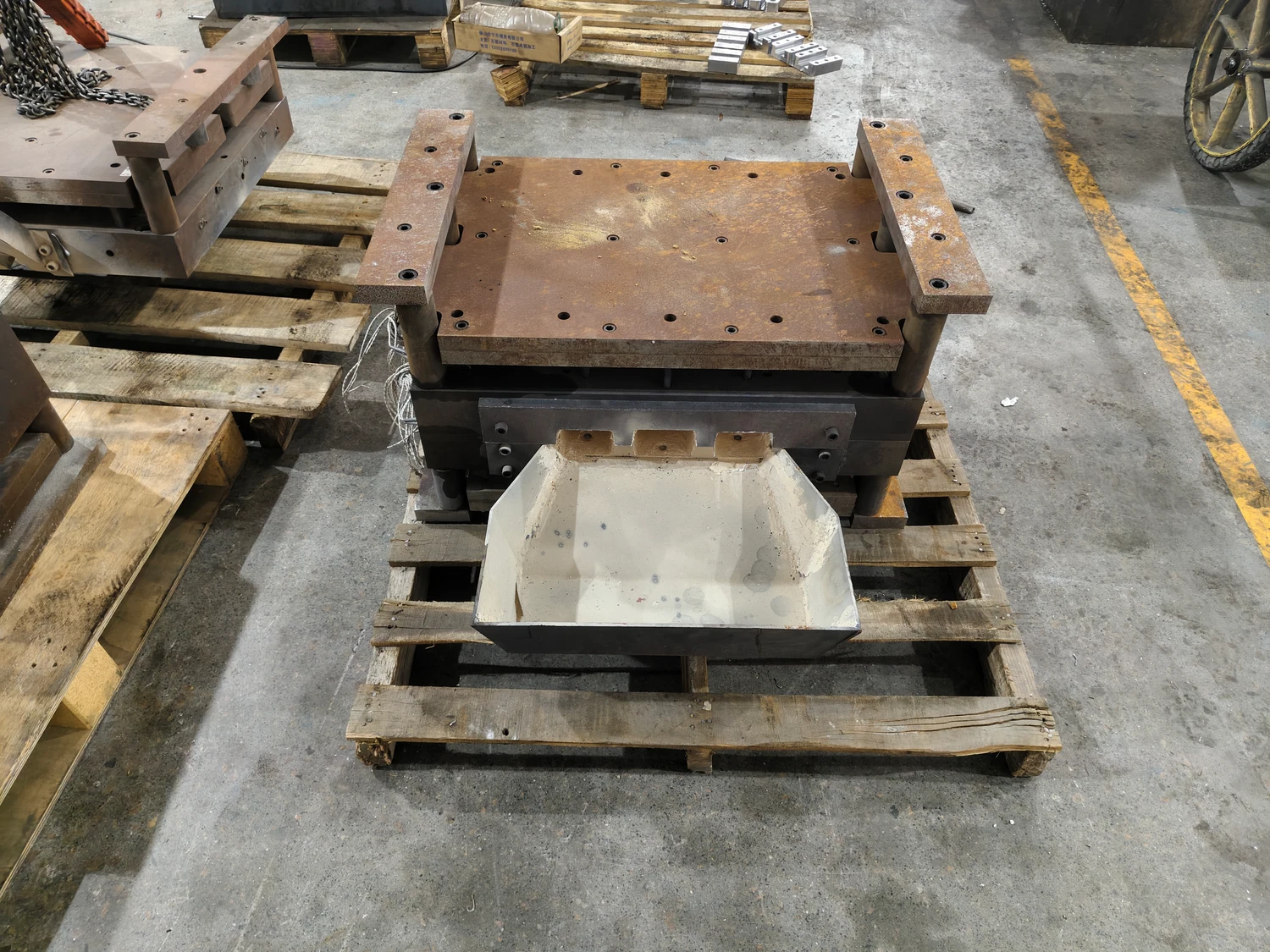
Aluminum Molds
Aluminum tooling for repeatable pattern geometry and efficient mold preparation.
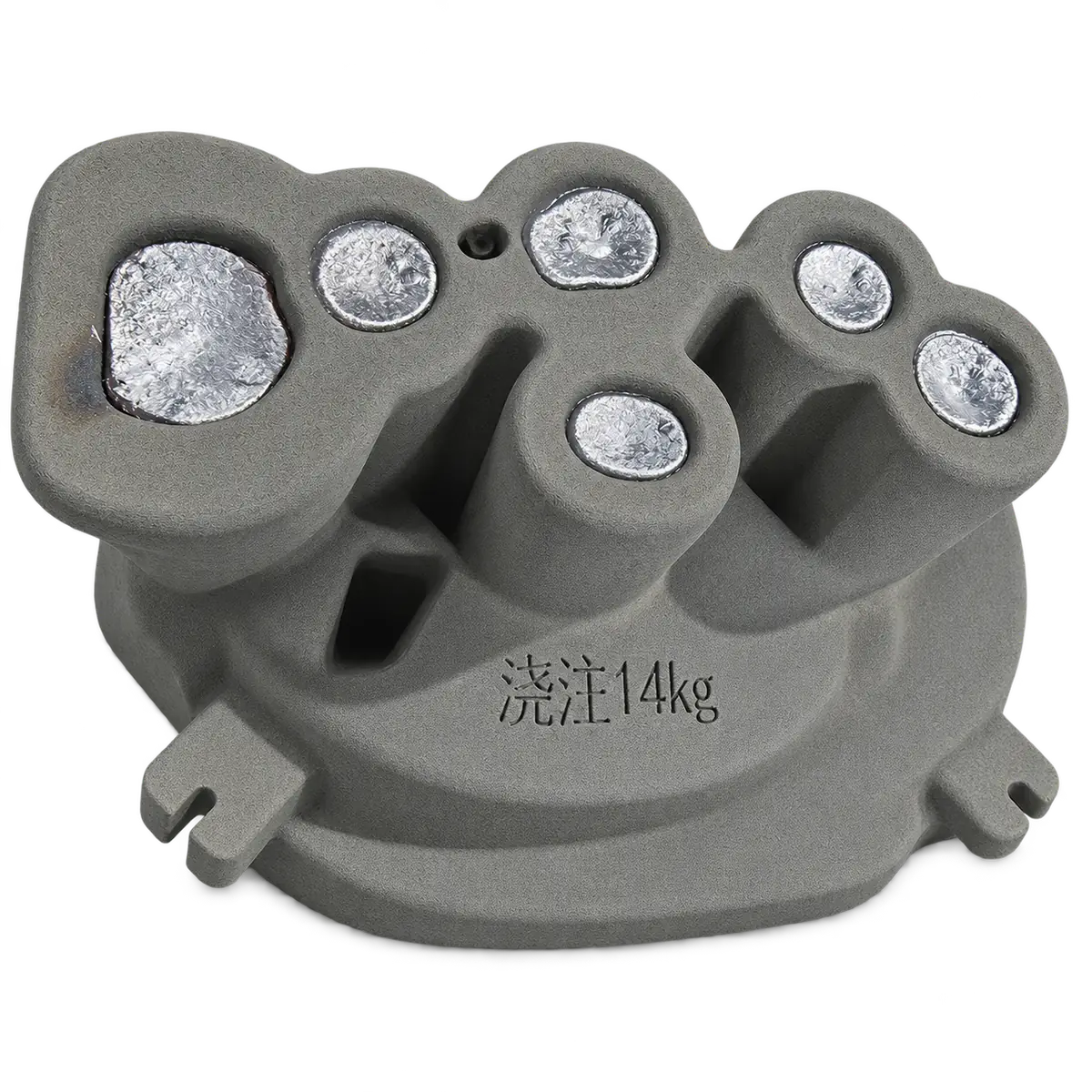
3D-Printed Sand Molds
Printed molds and cores for complex internal features and prototype development.
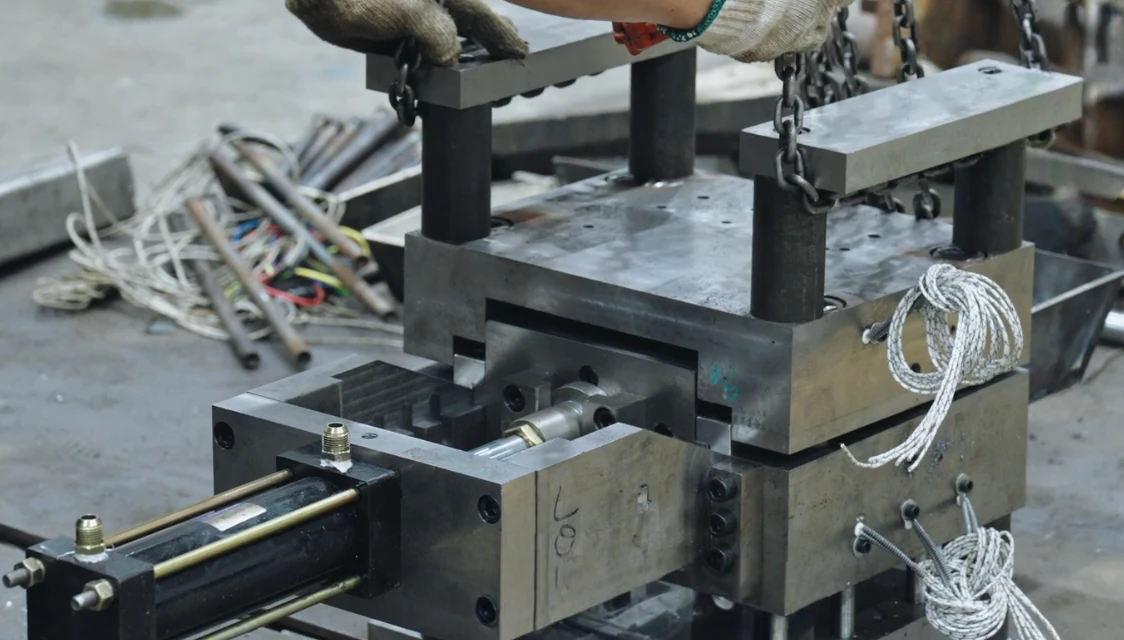
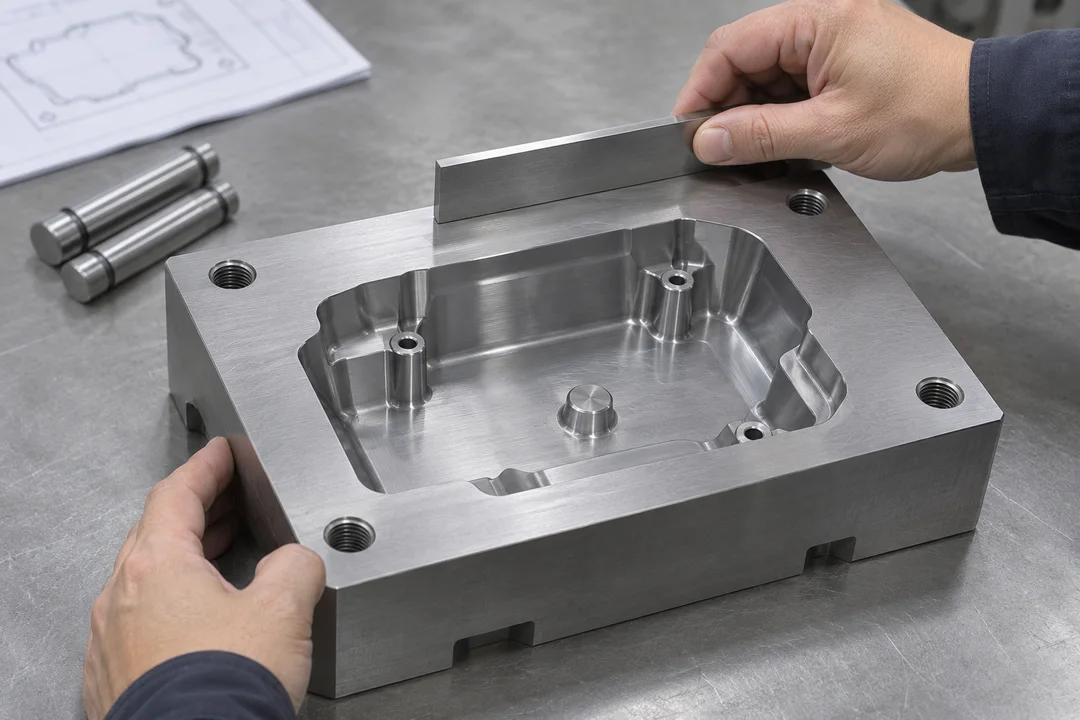
Steel Molds
Machined steel tooling for stable cavity geometry and repeat casting production.
Manufacturing Process
Mold Development
From drawing review to mold acceptance, the development process covers machining, assembly, trials, parameter confirmation, and delivery.
Mold Assembly
Trial And Correction
Acceptance And Delivery
01
Receive Drawings
Receive the customer drawings.
02
Casting Review
Review the casting process.
03
Mold Design
Complete the mold design.
04
Mold-Base Machining
Machine the mold base.
05
Cavity Finish Machining
Finish-machine the mold cavity.
06
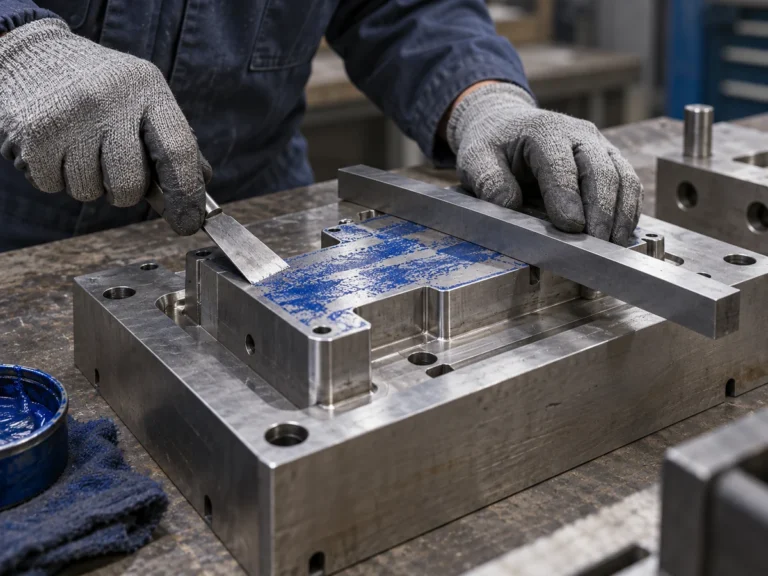
Mold Assembly
Assemble the mold.
07
Trial And Correction
Run the mold on the machine and correct defects.
08
Parameter Freeze
Confirm and freeze the process parameters.
09
Acceptance And Delivery
Complete mold acceptance and delivery.
Manufacturing Process
Mold Design
Mold design connects geometry review, filling and solidification analysis, ejection, three-dimensional modeling, and drawing approval.
Mold Flow Modeling
System Design
Risk-Area Optimization
01
Product DFM Analysis
Analyze the product structure and casting process.
02
Geometry Check
Check wall thickness, draft, radii, and assembly tolerances.
03
System Design
Design the gating system, overflow channels, venting, and cooling system.
04
Risk-Area Optimization
Optimize thin walls, dead corners, and thick-section hot spots.
05
Ejection Layout
Design the ejection layout for smooth release and deformation prevention.
06
3D Mold Modeling
Build the complete three-dimensional mold structure.
07
Internal Drawing Review
Review and confirm the mold drawings internally.
08
Drawing Freeze
Freeze the mold drawings for production machining.
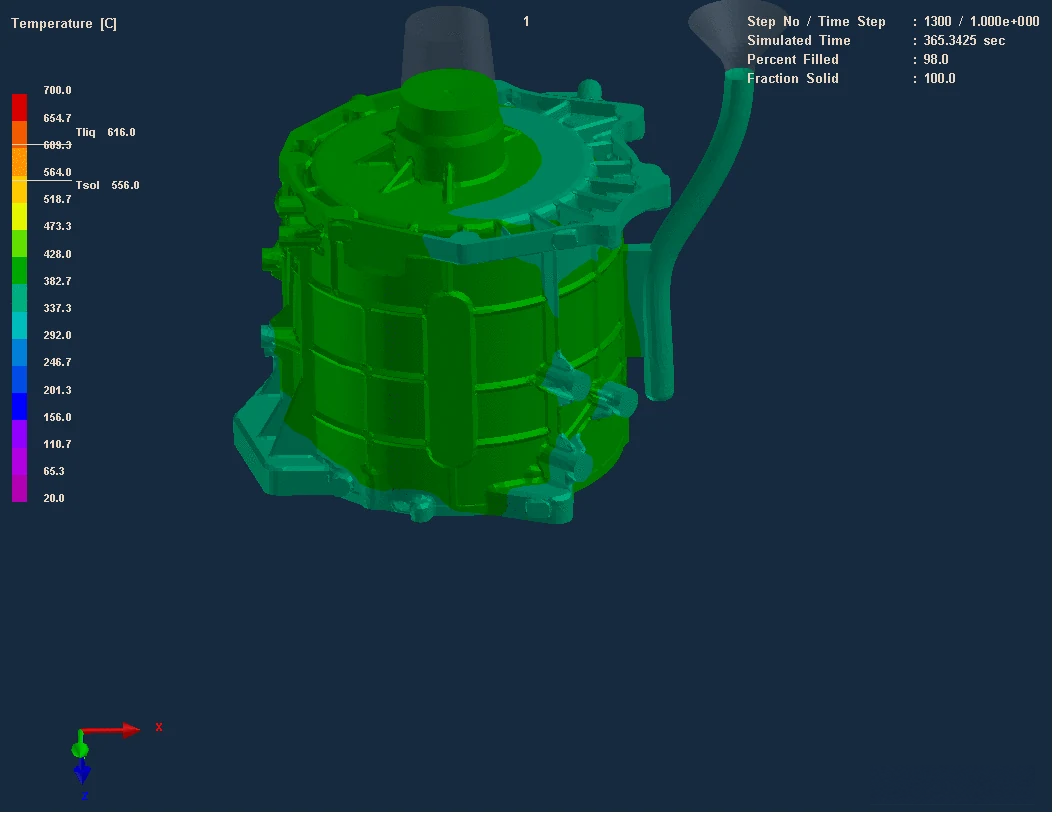
Mold Flow Analysis
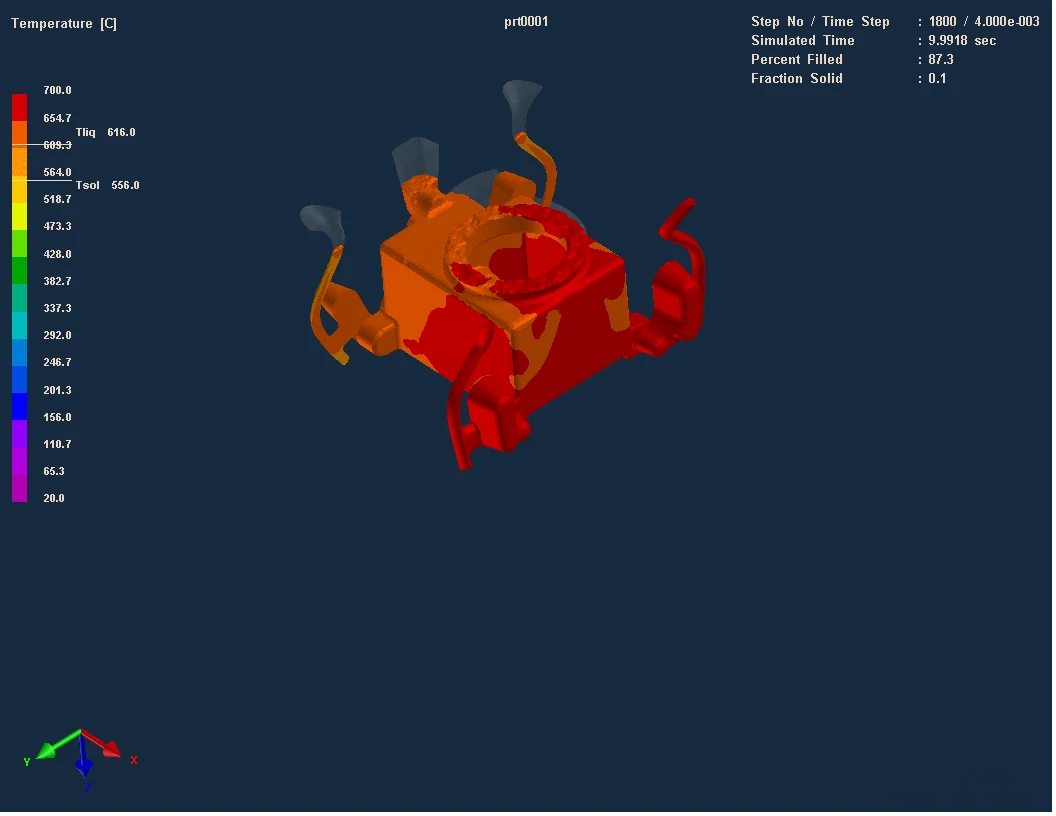
Use simulation to review filling behavior, solidification and air entrapment around the tool design.
Filling Review
Review the metal flow paths and filling sequence with the gating strategy.
For key or technically difficult projects, three-dimensional mold-flow analysis supports review of casting risks and possible product or tooling changes.
Solidification Review
Review the solidification sequence and areas that may need feeding or cooling changes.
For key or technically difficult projects, three-dimensional mold-flow analysis supports review of casting risks and possible product or tooling changes.
Air Entrapment Review
Review potential air entrapment together with venting and filling behavior.
For key or technically difficult projects, three-dimensional mold-flow analysis supports review of casting risks and possible product or tooling changes.
Tooling Approval
Tooling Validation
The approval scope should be clear before samples are evaluated. Align the tool, process and component checks with your drawing and project requirements.
Please provide 2D and 3D drawings, the casting alloy, expected volume, critical dimensions, finishing needs and any specific sample or inspection requirements.
How is the mold type selected?
The casting process, geometry, internal features, target volume and investment requirements all affect the choice. We review these together before recommending a tooling approach.
What happens after the first trial?
Trial samples and process findings are reviewed against the agreed objectives. Tool corrections or process adjustments are recorded and checked through the next review or trial.
How are maintenance needs agreed?
Maintenance requirements depend on tool construction, casting process and operating conditions. Cleaning, wear checks, cooling circuits and repair needs should be included in the tool care plan.
When can delivery timing be confirmed?
Timing is confirmed after the tool scope, design requirements, manufacturing work and validation expectations have been reviewed. Include any required delivery date in your enquiry.
What is the mold development lead time?
The existing overall development reference is 30–65 days, depending on the product and project requirements. Confirm the design, trial scope and acceptance requirements with us before agreeing on delivery timing.
Your Next Manufacturing Project
Request an Engineering Review
Send your component drawing and casting requirements. Let’s align the tooling process, trial scope and acceptance criteria.