Engineering-driven aluminum casting and precision manufacturing solutions

Custom Aluminum Housing for Electro-Optical Gimbal Systems
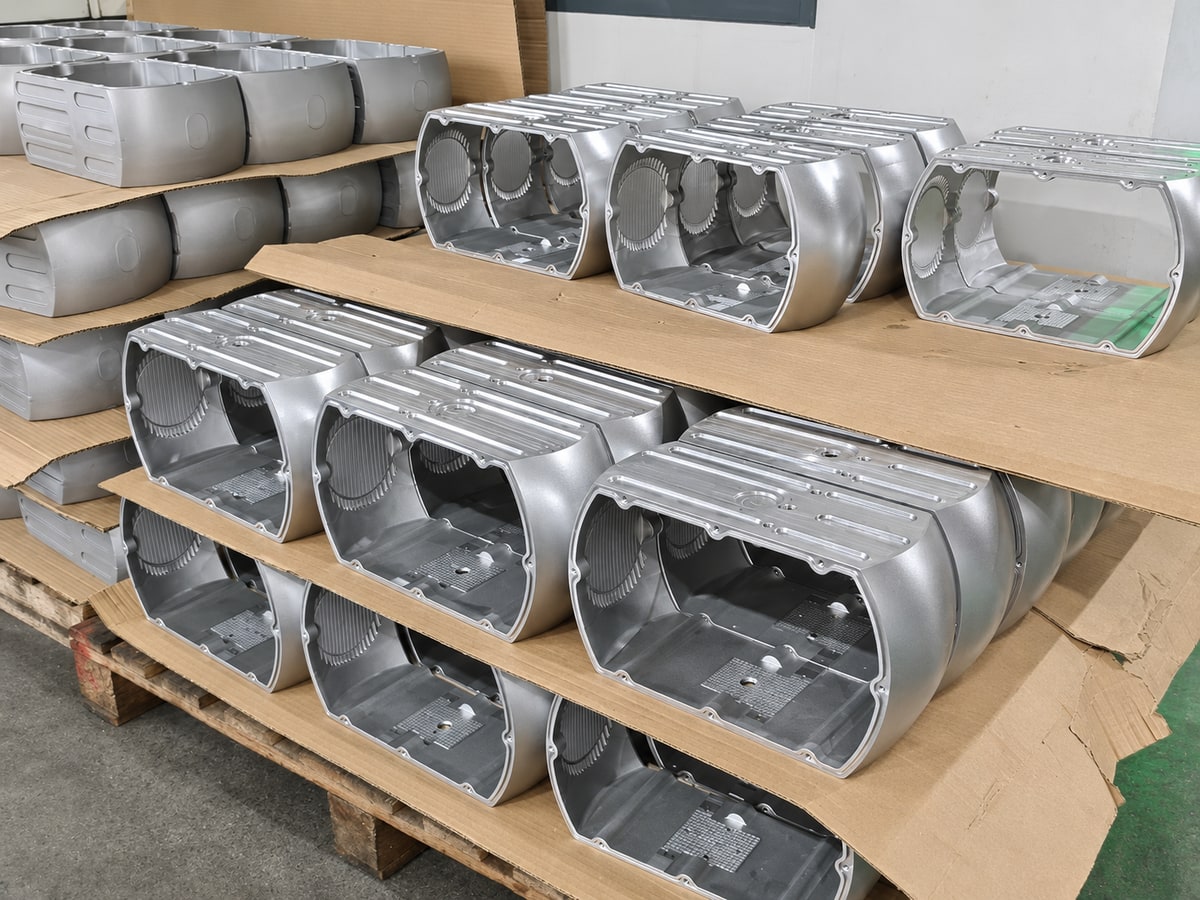
A356 structural parts for a spherical gimbal used in round-the-clock coastal surveillance. Gravity die casting and five-axis CNC machining supported housing stiffness and accurate rotation in wind and salt spray.

- Industry
- Smart security and coastal surveillance
- Material
- A356 aluminum alloy
- Manufacturing Process
- Gravity die casting, five-axis machining, protective surface treatment
Project Overview
| Project Item | Description |
|---|---|
| Industry | Smart Security / Border & Coastal Surveillance |
| Product | Spherical Electro-Optical Gimbal Structural Components |
| Manufacturing Process | Aluminum Gravity Die Casting + Precision CNC Machining |
| Material | A356 Aluminum Alloy |
| Services Provided | DFM Analysis, Tooling Development, Aluminum Casting, CNC Machining |
| Application Environment | High Salt Spray, Strong Wind, Outdoor Operating Conditions |
| Project | Custom Structural Components for an Electro-Optical Gimbal System |
| Manufacturer | Guangdong Jinchangde Manufacturing Innovation Engineering Co., Ltd. (KCDCAST) |
Project Background
As intelligent border security and coastal surveillance systems continue to evolve, electro-optical gimbal systems are expected to operate reliably in harsh outdoor environments. Constant exposure to strong winds, salt spray, high humidity, and changing temperatures places demanding requirements on structural components.
Conventional gimbal housings often suffer from insufficient rigidity, limited corrosion resistance, and inconsistent assembly accuracy, making them unsuitable for long-term outdoor surveillance applications.
Leveraging our expertise in tooling design, aluminum gravity die casting, and precision CNC machining, KCDCAST was selected to manufacture a complete set of custom structural components for an electro-optical gimbal system, providing an integrated solution from tooling development to finished precision-machined parts.

Customer Requirements & Engineering Challenges
The project was developed for a 24/7 coastal surveillance system, where long-term reliability and positioning accuracy were critical.
Customer Requirements
- Reliable performance in continuous outdoor operation
- Resistance to Level-12 strong winds without excessive vibration or deformation
- Excellent salt spray corrosion resistance
- High sealing performance for harsh environments
- Smooth and accurate gimbal positioning with minimal maintenance
Engineering Challenges
The project presented several manufacturing challenges:
- Achieving a lightweight spherical structure while maintaining high rigidity
- Preventing internal casting defects such as porosity and shrinkage
- Maintaining tight machining tolerances on rotating and mounting interfaces
- Ensuring long-term corrosion resistance in coastal environments
Engineering Solution
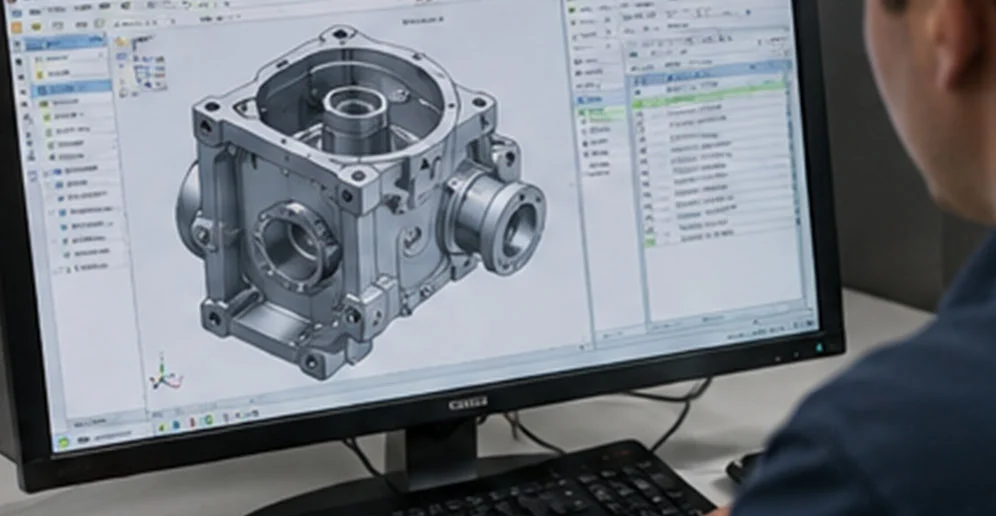
To meet the customer’s requirements, our engineering team optimized the product from three key aspects: structural design, tooling development, and manufacturing process.
The solution included:
- Optimizing the streamlined spherical housing to reduce wind resistance while improving structural stiffness
- Developing dedicated gravity die casting tooling to improve dimensional consistency and minimize casting defects
- Precision machining of rotating bases and mounting features to ensure accurate positioning and smooth movement
- Improving sealing structures to enhance environmental protection in coastal operating conditions

Manufacturing Process & Materials
Material Selection
A high-strength, corrosion-resistant aluminum alloy was selected to achieve an optimal balance between lightweight construction, structural strength, and long-term durability.
Manufacturing Process
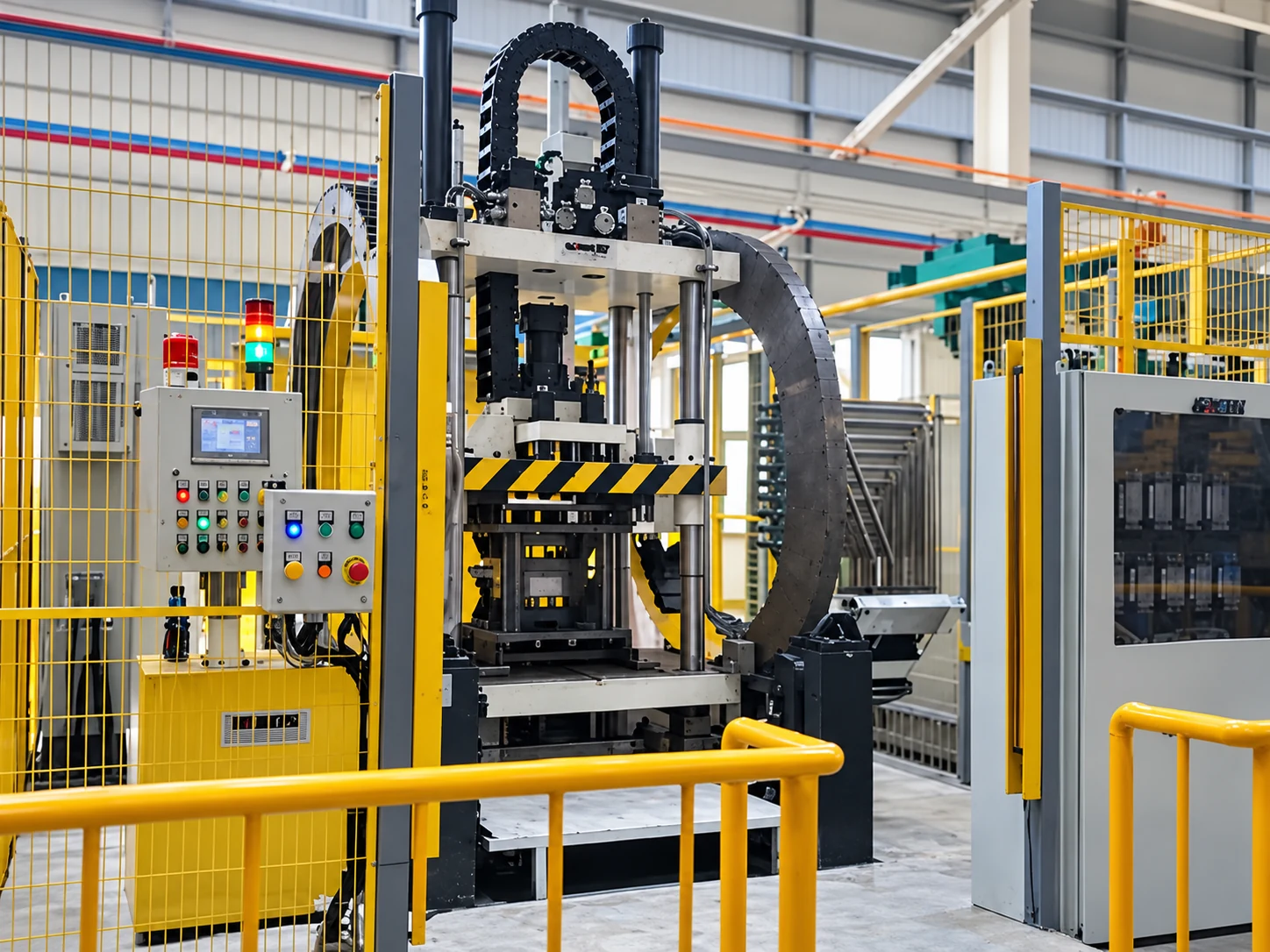
The manufacturing process included:
- Custom tooling development
- Integrated aluminum gravity die casting
- 5-axis CNC machining of critical dimensions
- Passivation and weather-resistant anti-corrosion surface treatment
- Full dimensional inspection and micron-level assembly verification
Finished components also underwent high- and low-temperature testing, vibration testing, and salt spray testing to verify long-term performance in demanding outdoor environments.


Finished Parts and Project Details



Related Engineering & Manufacturing Services
Explore the core engineering and manufacturing services applied in this project.
Design & Engineering Support
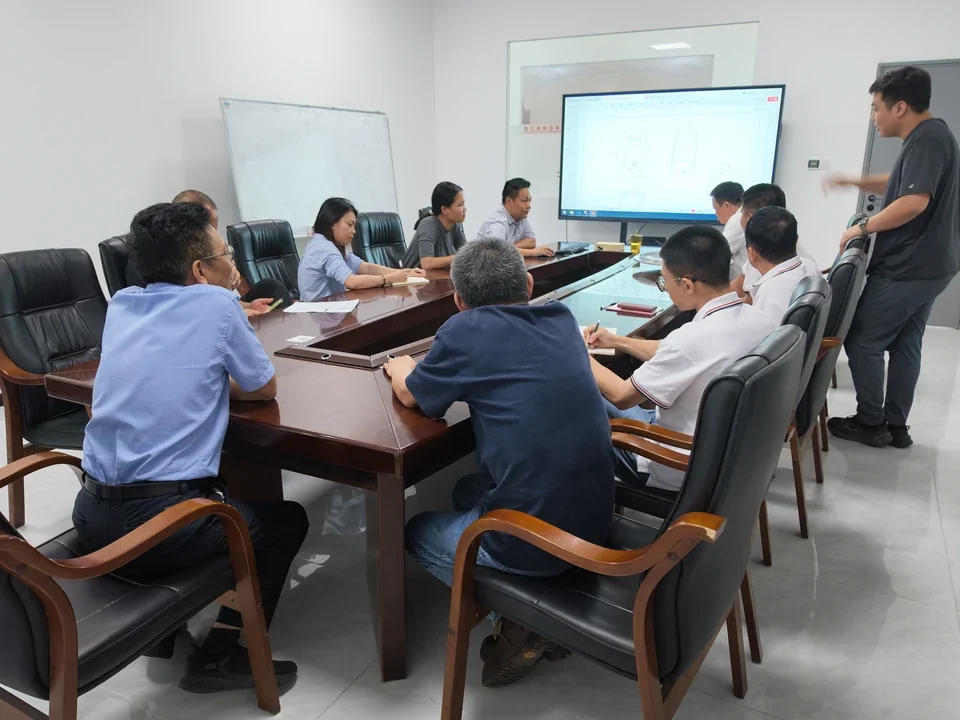
Optimize product design for manufacturability, cost efficiency, and production reliability through DFM engineering.
View Service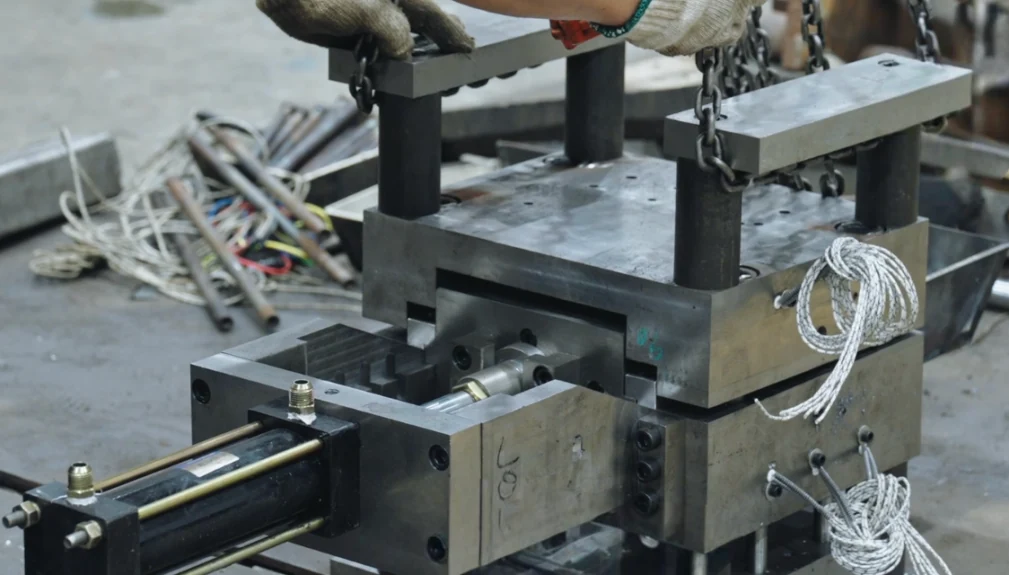
Mold Manufacturing
Custom tooling and mold development to support prototype validation, pilot runs, and mass production.
View Service
Aluminum Casting
Comprehensive aluminum casting services, including Gravity Die Casting, Low Pressure Die Casting, and Sand Casting.
View Service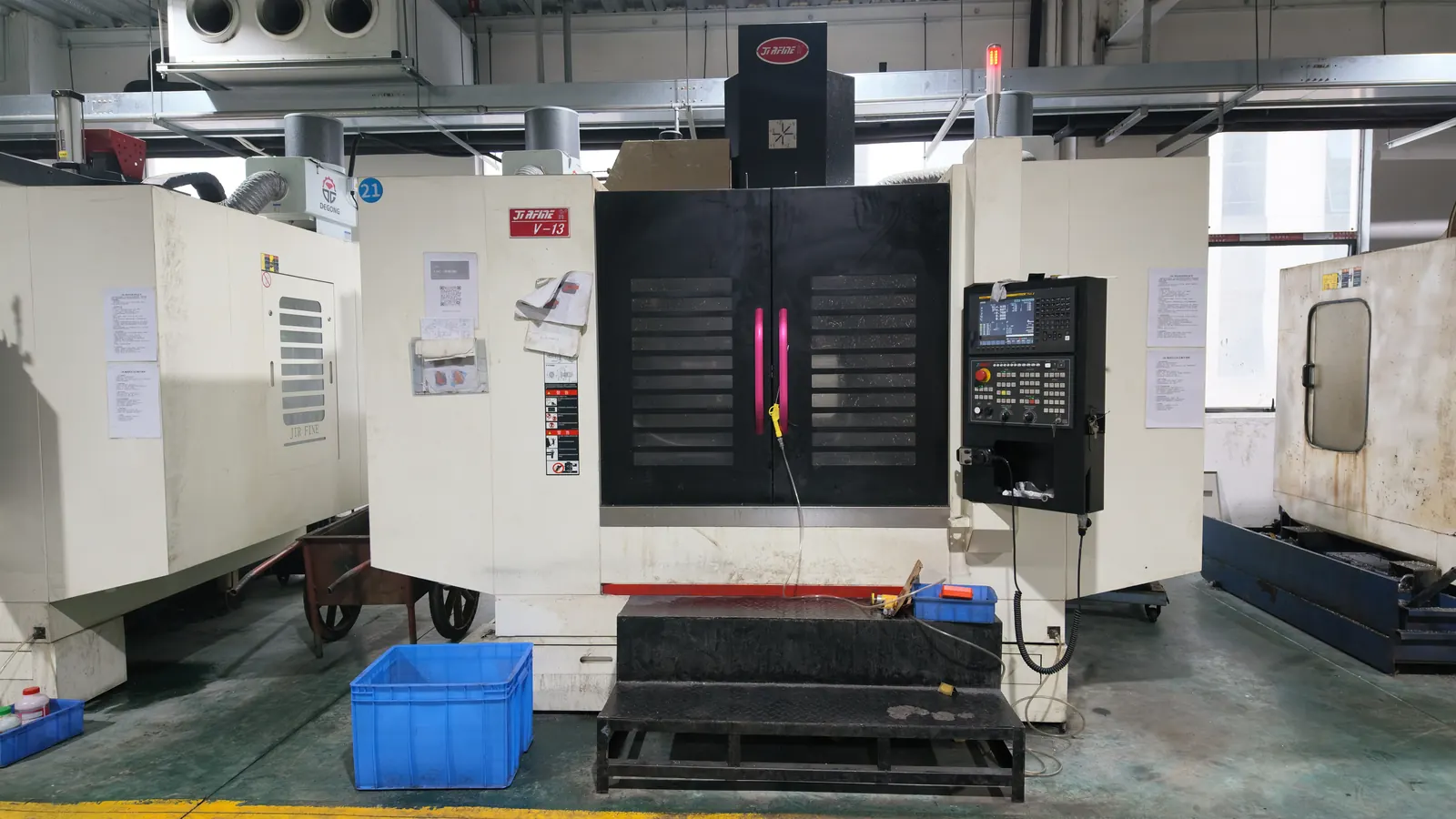
CNC Precision Machining
High-precision CNC machining and dimensional inspection for critical functional and assembly features.
View ServiceRequest an Engineering Review
If your project requires high structural integrity, tight dimensional tolerances, corrosion resistance, or consistent production quality, our engineering team can provide tailored solutions from DFM optimization and tooling development to aluminum casting and precision CNC machining.
Ready to discuss your next project?
Project Results
The finished aluminum gimbal structural components have been successfully deployed in multiple coastal and border surveillance projects.
The project achieved the following results:
- Stable structural performance under Level-12 wind conditions
- Excellent corrosion resistance during long-term salt spray exposure
- Smooth gimbal rotation with highly accurate positioning
- Reliable sealing performance against moisture and salt intrusion
- Reduced maintenance frequency and improved operational reliability