Engineering-driven aluminum casting and precision manufacturing solutions

AC4A Aluminum Casting Alloy
AC4A is a heat-treatable Al-Si-Mg casting alloy used for structural components requiring good castability, corrosion resistance, and reliable mechanical properties after heat treatment. KCDCAST supports gravity die casting, low-pressure casting where suitable, heat treatment evaluation, and precision CNC machining for customized aluminum components.
 Material application illustration
Grade
AC4A
Alloy System
Copper-free Al-Si-Mg cast alloy
Reference
JIS AC4A / ZL104
Primary Process
Gravity die casting
Material Overview
Choose the alloy around the drawing, casting process and final acceptance requirements.
AC4A Material Benefits
- Good castability for structural aluminum components
- Good corrosion resistance for demanding industrial environments
- Suitable for heat treatment to improve mechanical properties
- Good strength potential after appropriate T6 treatment
- Suitable for selected components requiring pressure-tight performance
- Good machinability for precision functional features
Design Considerations
- Casting process selection should consider component geometry, wall thickness, and required mechanical properties
- Melt quality and solidification control are important for casting integrity
- Heat treatment parameters must be controlled according to the material specification
- Quenching conditions should be evaluated to manage distortion and dimensional variation
- Critical machined surfaces and dimensional tolerances should be considered during mold development
AC4A Technical Data
Chemical composition and mechanical reference values for your initial material review.
Chemical Composition
| Element | Mass fraction |
|---|---|
| Si | 8.0-10.0% |
| Mg | 0.30-0.60% |
| Fe | ≤0.55% |
| Cu | ≤0.25% |
| Mn | 0.30-0.60% |
| Zn | ≤0.25% |
| Ni | ≤0.10% |
| Ti | ≤0.20% |
| Al | Balance |
Mechanical Properties
| Property | Reference value |
|---|---|
| Tensile strength | ≥290 MPa, T6 |
| Yield strength | ≥220 MPa |
| Elongation | ≥4% |
| Brinell hardness | ≥85 HB |
Reference values only. Temper, test method, sampling position and the applicable specification must be confirmed for each project.
Please specify the required alloy standard and heat treatment condition on your drawing or enquiry.
International Grade References
Use grade names as a starting point when discussing the applicable material specification.
Japan
AC4A
China
ZL104
ISO
AlSi10Mg
Europe
EN AC-43400
Cross-references do not guarantee identical limits or performance. Confirm the governing standard and revision before substituting a grade.
AC4A Manufacturing Options
KCDCAST provides integrated manufacturing support for AC4A aluminum components, combining casting process selection, heat treatment evaluation, and precision machining.
Application areas
— Marine equipment; Chemical-process equipment; Automotive components; Precision machinery; Japanese supply-chain programs.
Recommended processing options
— Gravity die casting; Low-pressure casting; Sand casting; T6 heat treatment; Leak testing.

Casting and Heat Treatment
Gravity Die Casting
Suitable for structural components requiring controlled metal filling, good casting quality, and repeatable production performance.
Low-Pressure Casting
Can be evaluated for selected component geometries where controlled filling and feeding are beneficial to casting integrity and mechanical consistency.
Heat Treatment
AC4A can be supplied in specified heat treatment conditions, including T5 or T6 where applicable.
Solution treatment, quenching, and artificial aging parameters should be established according to the applicable material specification and component requirements.
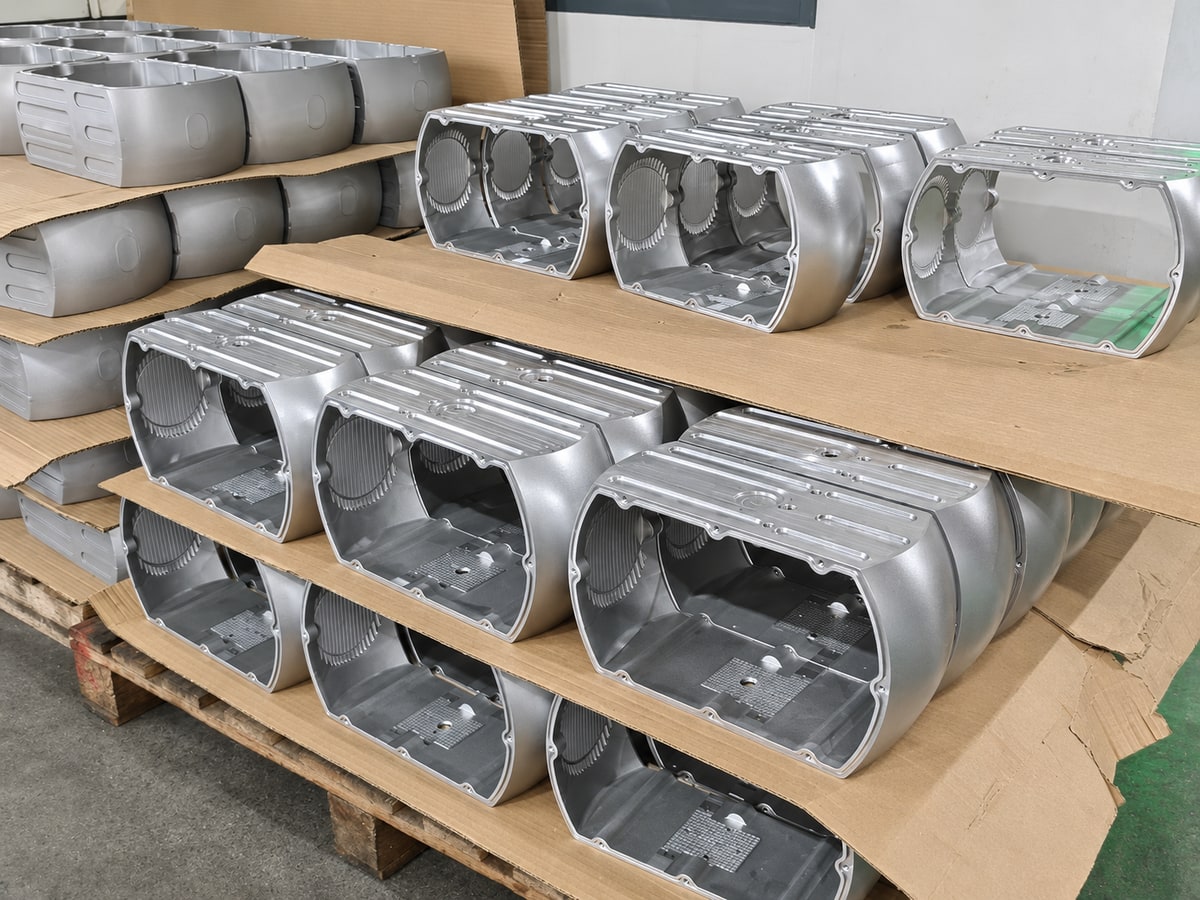
Precision CNC Machining
Precision CNC Machining
Machining of critical mounting surfaces, holes, threads, sealing interfaces, and other functional features according to customer drawings.

Quality Inspection
Quality Inspection
Chemical composition verification, dimensional inspection, mechanical testing, and additional inspection methods according to project requirements.
AC4A FAQs
A few details help us review your material requirements more effectively.
What is AC4A aluminum casting alloy used for?
AC4A is a heat-treatable Al-Si-Mg casting alloy used for components requiring a combination of castability, mechanical strength and corrosion resistance. Depending on the casting method, heat-treatment condition and component design, it can be considered for structural parts, housings and other engineering castings.
Is AC4A suitable for gravity die casting and low-pressure casting?
Gravity die casting is a suitable process option for AC4A components. Low-pressure casting may also be evaluated for suitable part designs, but feasibility depends on component geometry, tooling, required properties and qualified production capability. The process should be confirmed through engineering assessment and production trials.
Can AC4A be heat treated to T6 condition?
Yes. AC4A is a heat-treatable casting alloy, and T6 condition can be considered when higher mechanical strength is required. However, achievable properties depend on the casting method, section thickness, casting quality and heat-treatment conditions. The actual component should be evaluated to confirm heat-treatment feasibility and dimensional effects.
What are the differences between AC4A and A356?
AC4A and A356 are both Al-Si-Mg casting alloys, but they are specified under different material standards and have different chemical composition ranges. Their silicon, magnesium and other alloy-element limits should be compared before selecting or substituting one for the other. Casting method, heat-treatment condition and required mechanical properties must also be considered.
Can AC4A castings be CNC machined?
Yes. AC4A castings can be CNC machined to achieve accurate dimensions, mounting interfaces and functional surfaces. Machining allowances, casting datums and critical tolerances should be defined during engineering and mold development. For heat-treated components, dimensional changes after heat treatment should also be considered in the machining plan.
How does heat treatment affect AC4A dimensional stability?
Heat treatment can improve the mechanical properties of AC4A, but it may also cause dimensional changes due to residual-stress release and thermal effects. The degree of distortion depends on component geometry, wall-thickness distribution, casting condition and the heat-treatment cycle. Critical dimensions should be identified in advance, with suitable machining allowances and post-treatment inspection planned.
Review Your AC4A Component
Share your drawing, alloy specification and expected volume. We will review the casting process and downstream requirements with you.